Meditation Techniques for Stress: A Comprehensive Guide
Stress is an inevitable part of life, but it's not something you have to live with. By learning meditation techniques, you can effectively manage stress and improve your overall well-being. In this article, we'll explore the causes of stress, the benefits of meditation, and various meditation techniques for stress relief.
What is Stress?
Stress is a normal response to a situation that requires you to take action and make quick decisions. However, chronic stress can have severe consequences on your mental and physical health. It can lead to anxiety, depression, digestive problems, and even cardiovascular disease.
The Benefits of Meditation for Stress
Meditation has been proven to be an effective tool for managing stress. By practicing meditation regularly, you can reduce stress hormones, improve sleep quality, and enhance cognitive function. Meditation can also help you develop a greater sense of self-awareness, which is essential for managing stress.
Practical Meditation Techniques for Stress Management
Here are some practical meditation techniques for stress management:
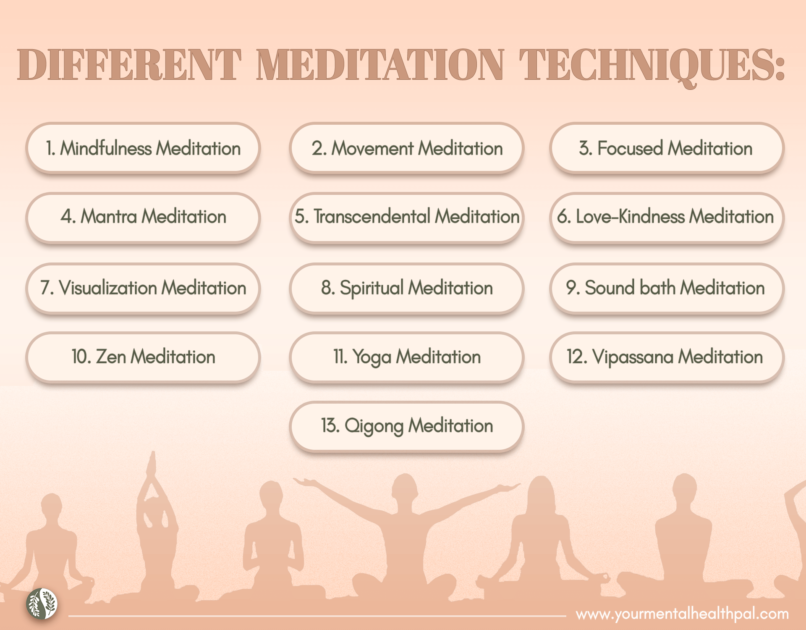
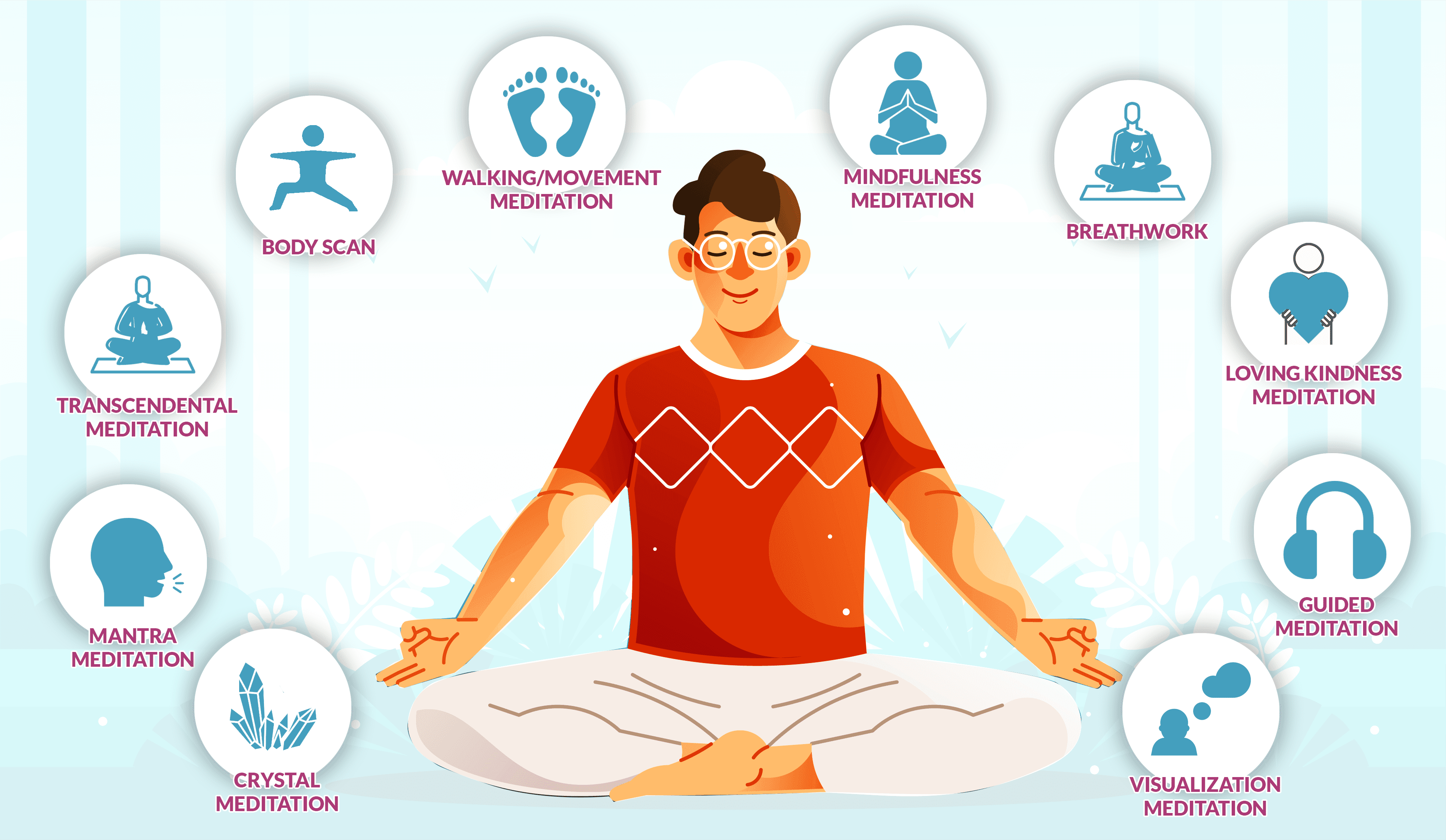
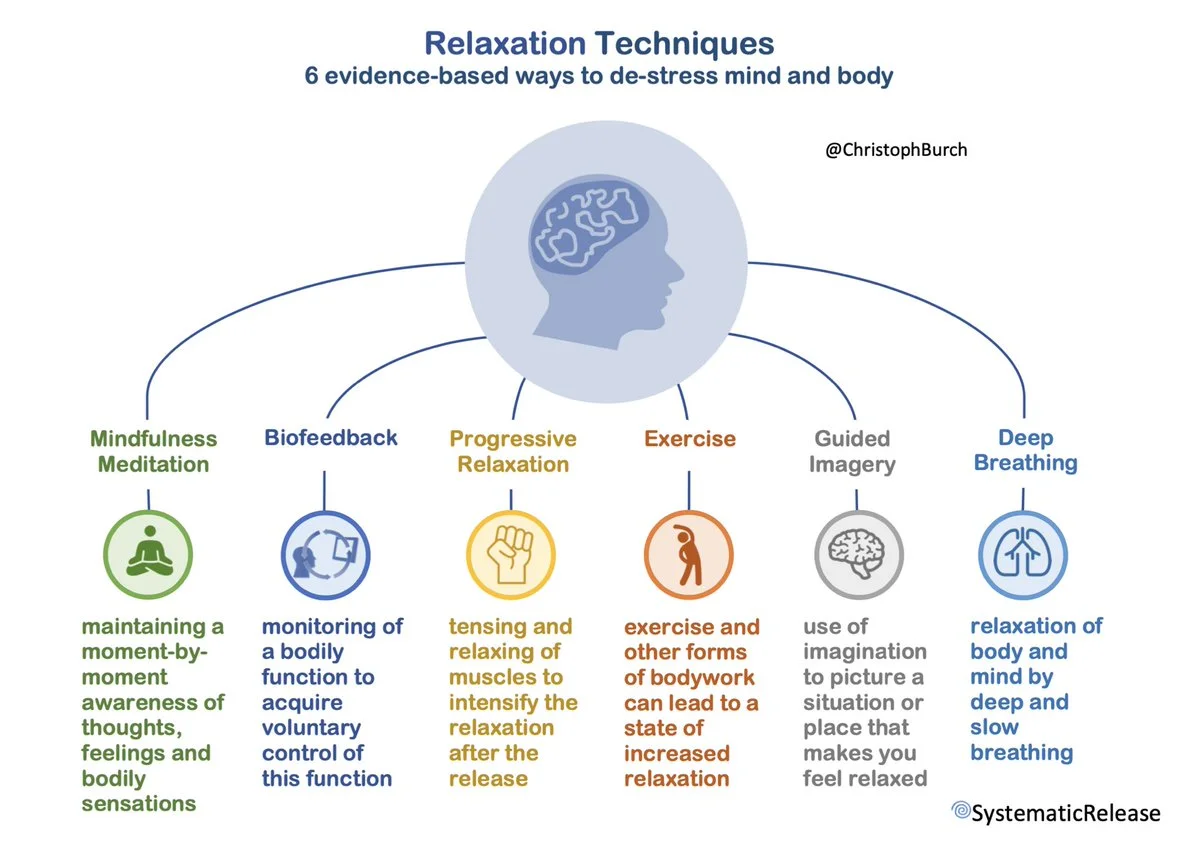
- Mindfulness Meditation: This technique involves paying attention to the present moment without judgment. You can focus on your breath, body sensations, or emotions. Mindfulness meditation can help you develop a greater sense of self-awareness and reduce stress.
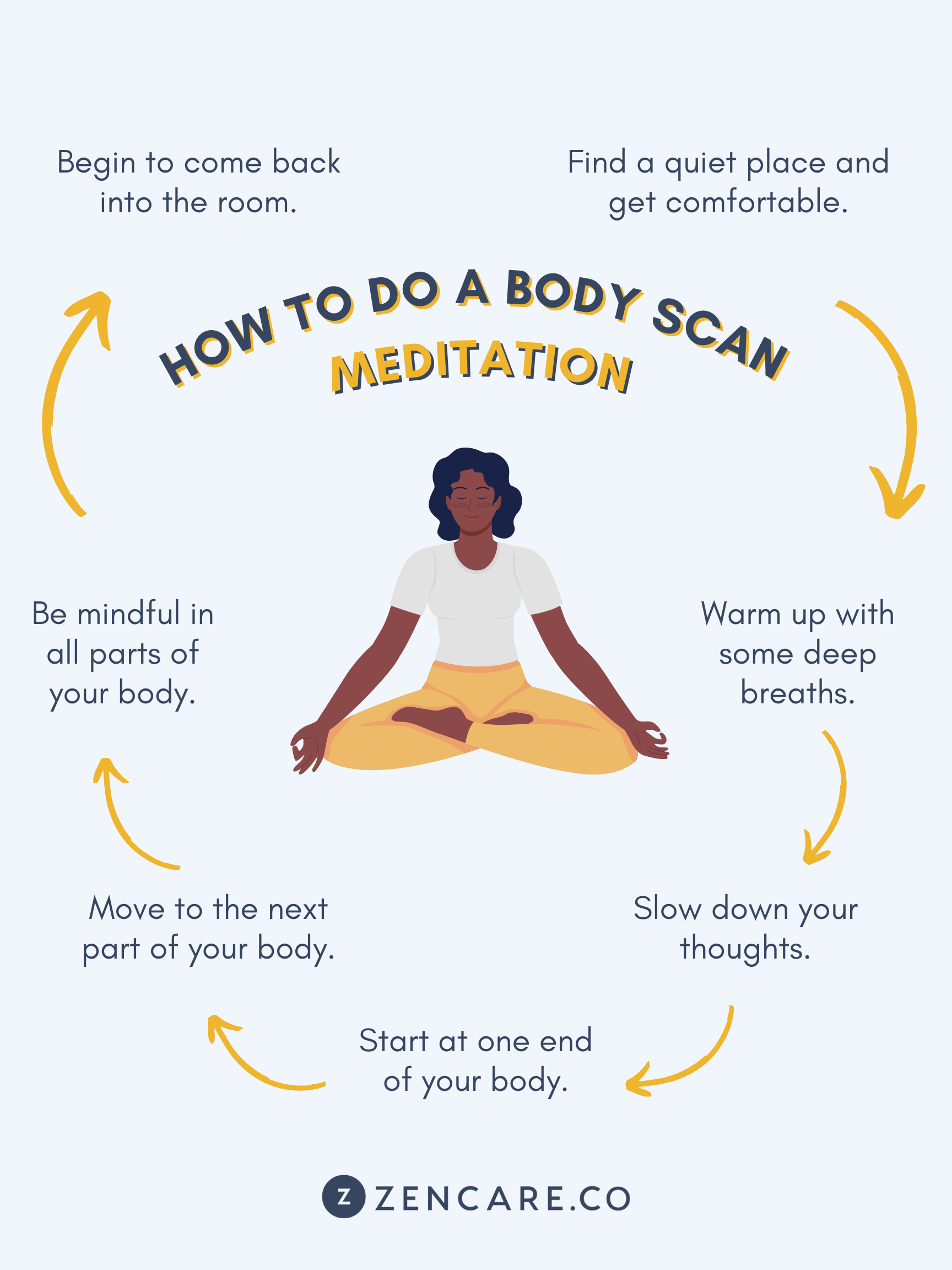
- Body Scan Meditation: This technique involves lying down or sitting comfortably and bringing your attention to different parts of your body. You can note any sensations, tension, or relaxation in each area. Body scan meditation can help you release physical tension and reduce stress.
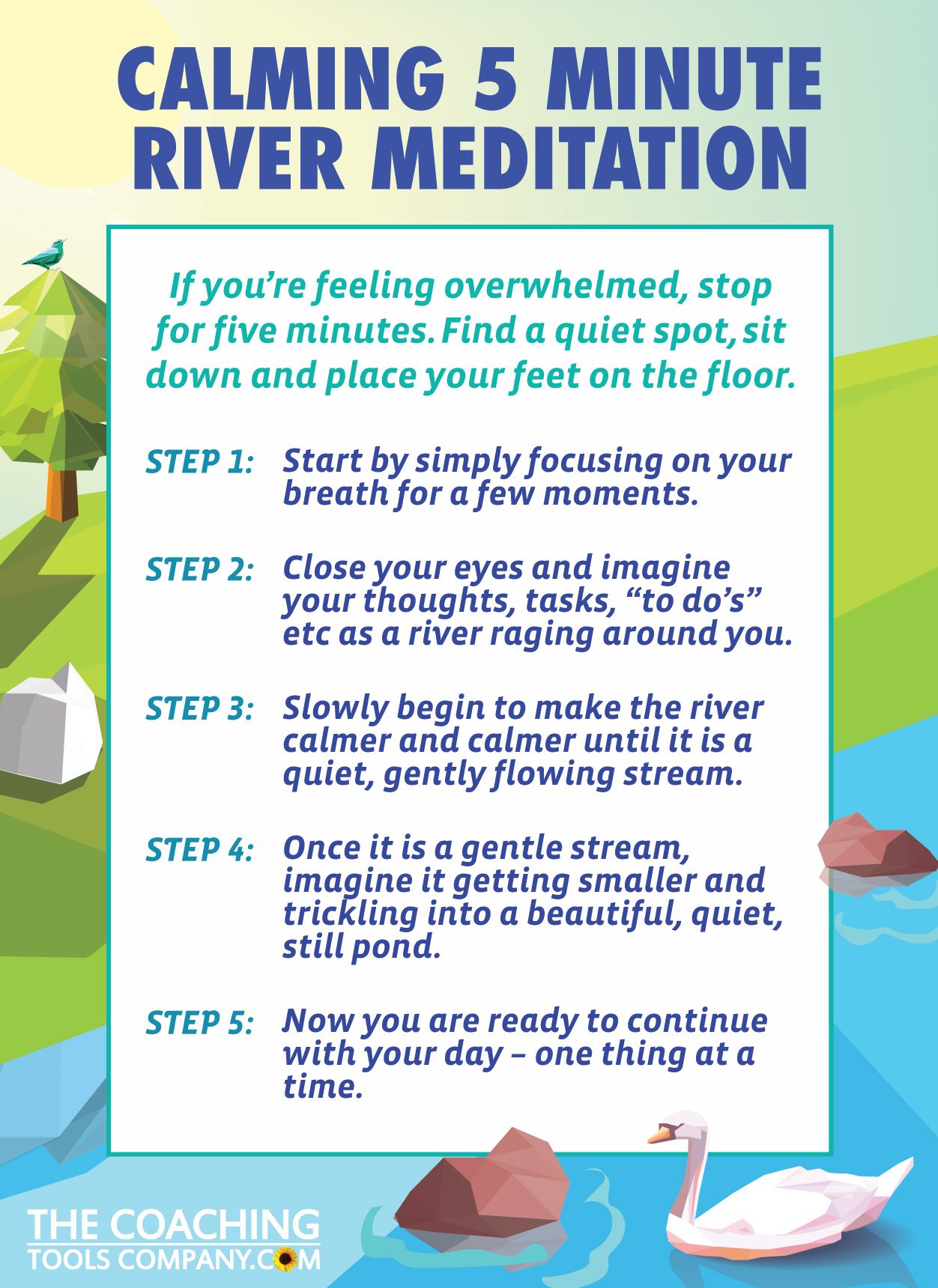
- Deep Breathing Meditation: This technique involves focusing on your breath and slowing down your breathing. You can inhale deeply through your nose and exhale slowly through your mouth. Deep breathing meditation can help you calm your mind and reduce stress.
- Loving-Kindness Meditation: This technique involves focusing on sending kindness and compassion to yourself and others. You can repeat phrases such as "May I be happy, may I be healthy, may I be at peace." Loving-kindness meditation can help you develop a greater sense of self-love and reduce stress.
How to Get Started with Meditation

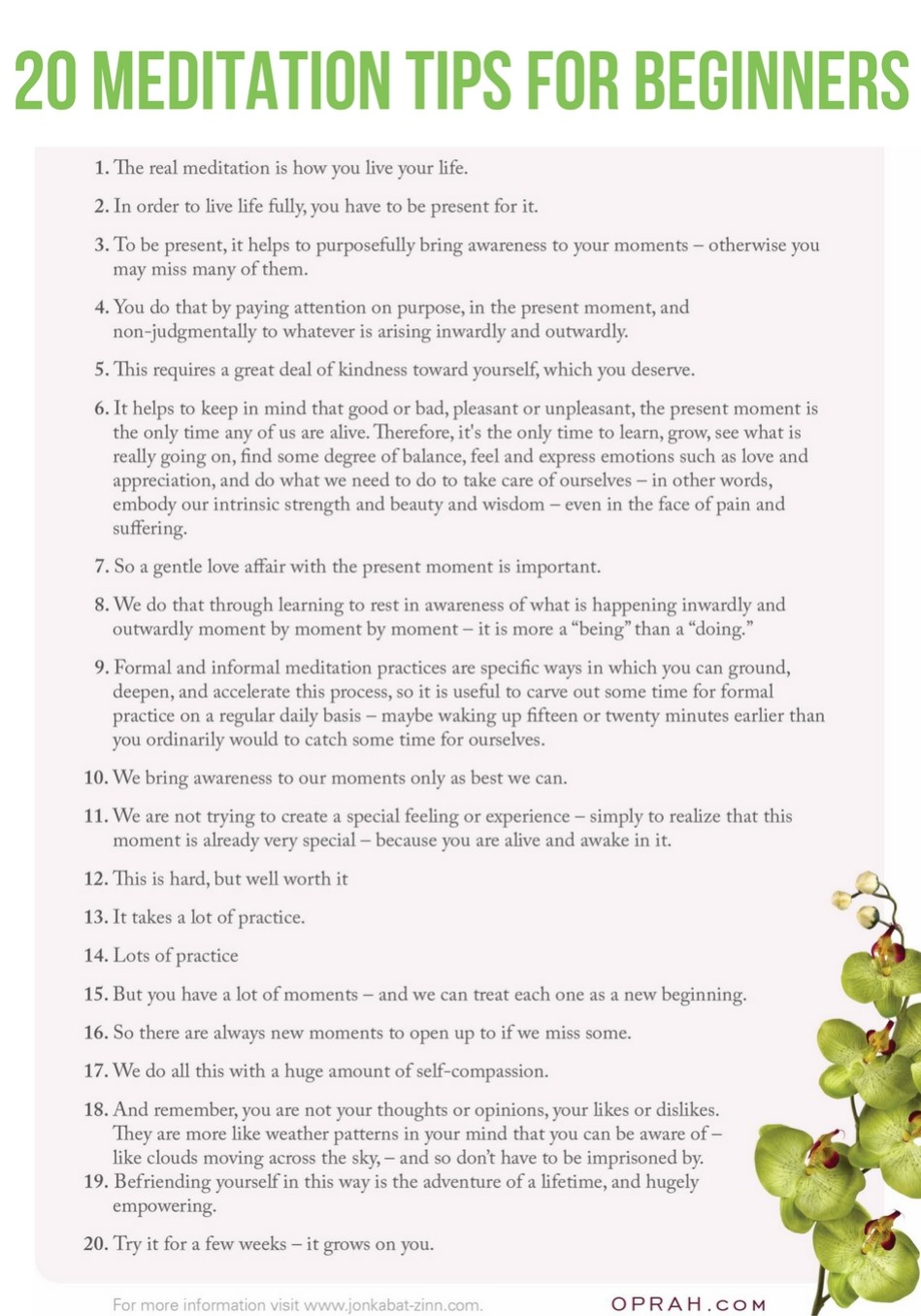
Getting started with meditation can be as simple as setting aside a few minutes each day to practice. Here are some tips to help you get started:
- Find a Quiet Space: Find a quiet and comfortable space where you can sit and meditate without distractions.
- Set a Regular Time: Set a regular time each day to practice meditation, such as first thing in the morning or before bed.
- Start Small: Start with short meditation sessions, such as 5-10 minutes, and gradually increase the duration as you become more comfortable with the practice.
- Use Guided Meditations: Use guided meditations, such as apps or videos, to help you get started and stay on track.
Conclusion
Meditation is a powerful tool for managing stress and improving overall well-being. By practicing meditation regularly, you can reduce stress hormones, improve sleep quality, and enhance cognitive function. Remember, meditation is a practice that takes time and patience to develop. Start small, be consistent, and be patient with yourself as you explore the benefits of meditation for stress relief.
Recommended Resources
Here are some recommended resources to help you get started with meditation:
- Headspace: A meditation app that offers guided meditations and personalized meditation plans.
- Calm: A meditation app that offers guided meditations, sleep stories, and relaxing music.
- Insight Timer: A meditation app that offers guided meditations, a timer, and a community of meditators.
Remember, meditation is a journey, and it's essential to find a practice that works for you. Experiment with different techniques, apps, and resources until you find what works best for you.