Meditation and Mindfulness Practices: A Path to Inner Peace and Wellness
Introduction
Meditation and mindfulness practices havebecome increasingly popular in recent years, and for good reason. These ancient practices have been shown to have a positive impact on both mental and physical well-being, reducing stress and anxiety, improving focus and concentration, and promoting overall health and happiness. In this article, we'll explore the benefits of meditation and mindfulness practices, and provide you with a comprehensive guide on how to incorporate these practices into your daily routine.What is Mindfulness?
Mindfulness is a state of being present and fully engaged in the current moment, while cultivating a non-judgmental awareness of your thoughts, feelings, and sensations. It is a type of meditation that involves paying attention to the present moment, without getting caught up in worries about the past or future. By cultivating mindfulness, you can develop a greater sense of clarity, calmness, and well-being, and improve your ability to cope with the challenges of everyday life.Benefits of Meditation and Mindfulness Practices
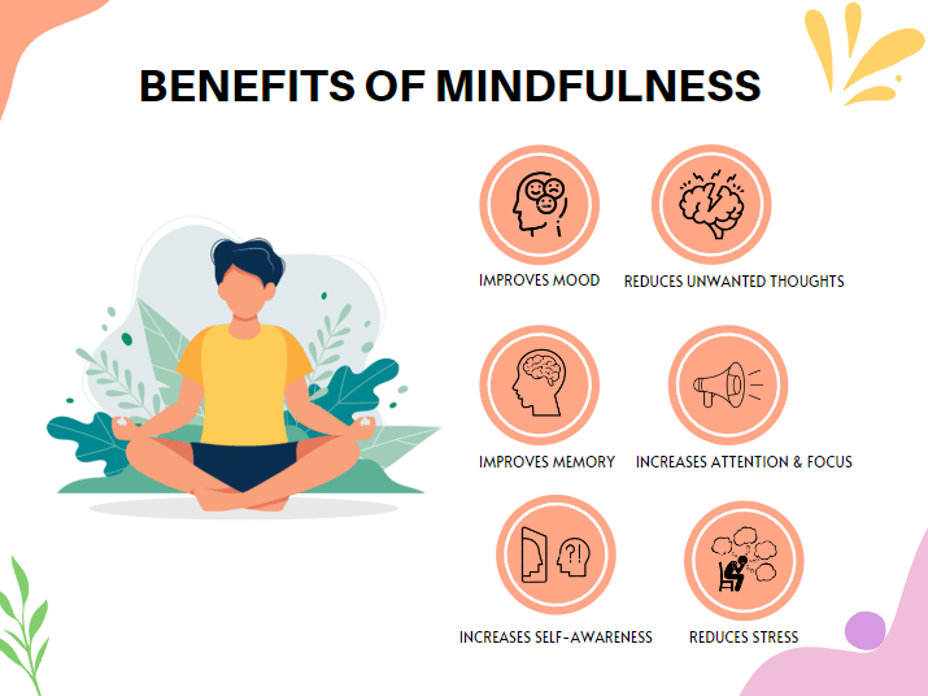
Research has shown that meditation and mindfulness practices can have a range of benefits, including:- Reduced stress and anxiety
- Improved focus and concentration
- Enhanced creativity and productivity
- Improved sleep quality
- Increased self-awareness and self-acceptance
- Improved relationships and communication skills
Simple Mindfulness Exercises for Beginners

- Breathe awareness: Pay attention to your breath, focusing on the sensation of the air entering and leaving your nostrils.
- Body scan: Lie down or sit comfortably, and bring your attention to different parts of your body, starting from your toes and moving up to the top of your head.
- Walking meditation: Pay attention to your body and its movements while walking, focusing on the sensation of your feet touching the ground.
- Guided meditation: Listen to a guided meditation recording, which will lead you through a series of visualizations and breath-awareness exercises.
Creating a Mindfulness Practice
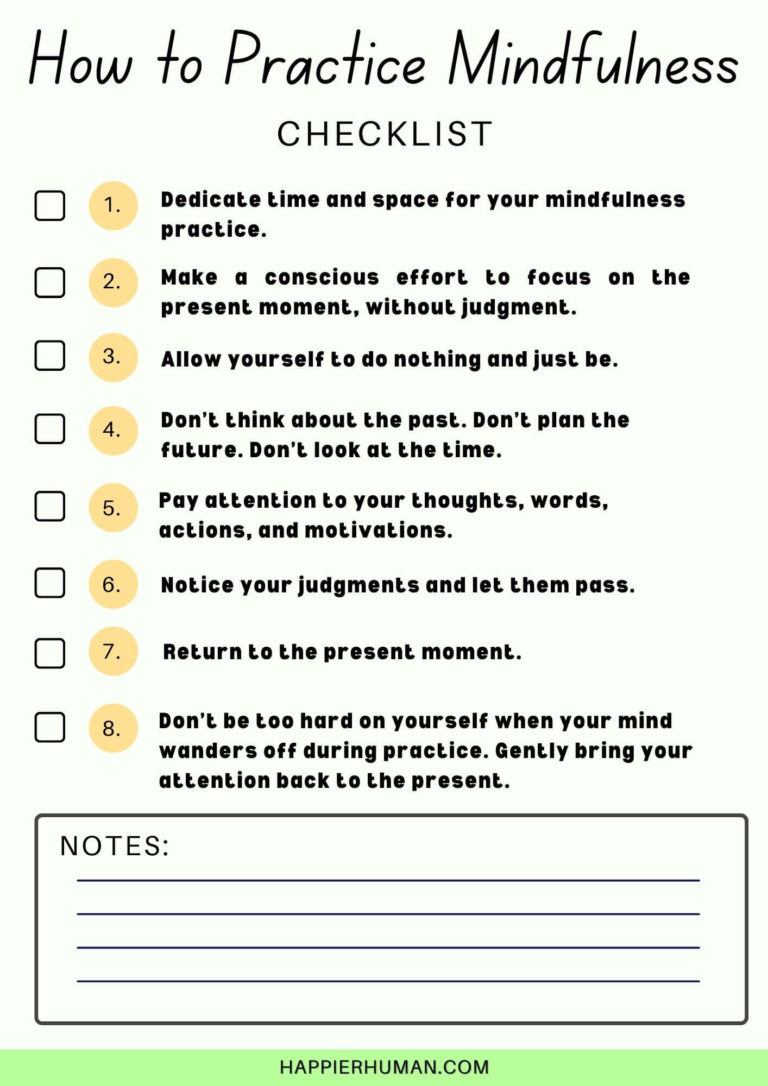
To create a mindfulness practice, start by setting aside a few minutes each day to sit quietly and focus on your breath. You can also try incorporating mindfulness into your daily activities, such as eating, showering, or walking. Here are some tips for creating a mindfulness practice:- Start small: Begin with short periods of meditation, such as 5-10 minutes, and gradually increase the duration as you become more comfortable with the practice.
- Find a quiet space: Identify a quiet and comfortable space where you can sit and meditate without distractions.
- Be consistent: Make meditation and mindfulness a regular part of your routine, ideally at the same time each day.
- Be patient: Remember that meditation and mindfulness are practices that take time and patience to develop. Don't get discouraged if you find it difficult to focus or if your mind wanders.