Hyperconnectivity and Collaborative Work: The Double-Edged Sword of Modern Workplaces
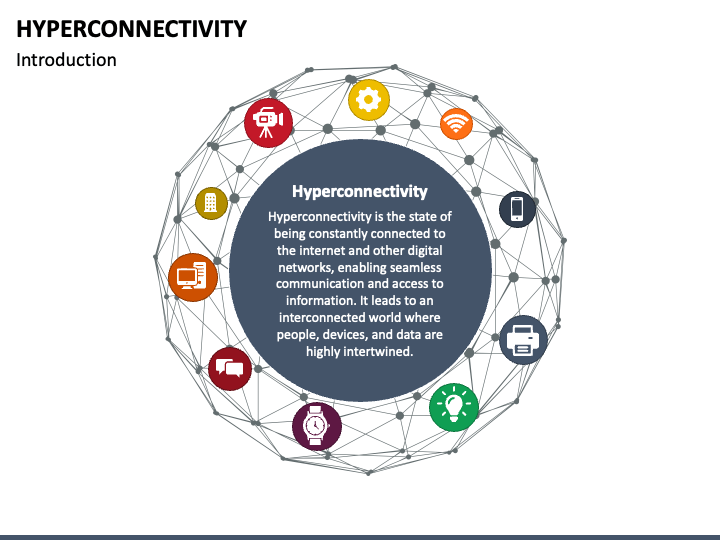
In today's digital age, the concept of work has undergone a significant transformation. The deepened blending of digital connectivity into workplaces has changed how individuals engage socially, work in collaboration, and perform work that shapes productivity. Hyperconnectivity, in particular, has become a defining feature of modern workspaces.
The Positive Aspects of Hyperconnectivity
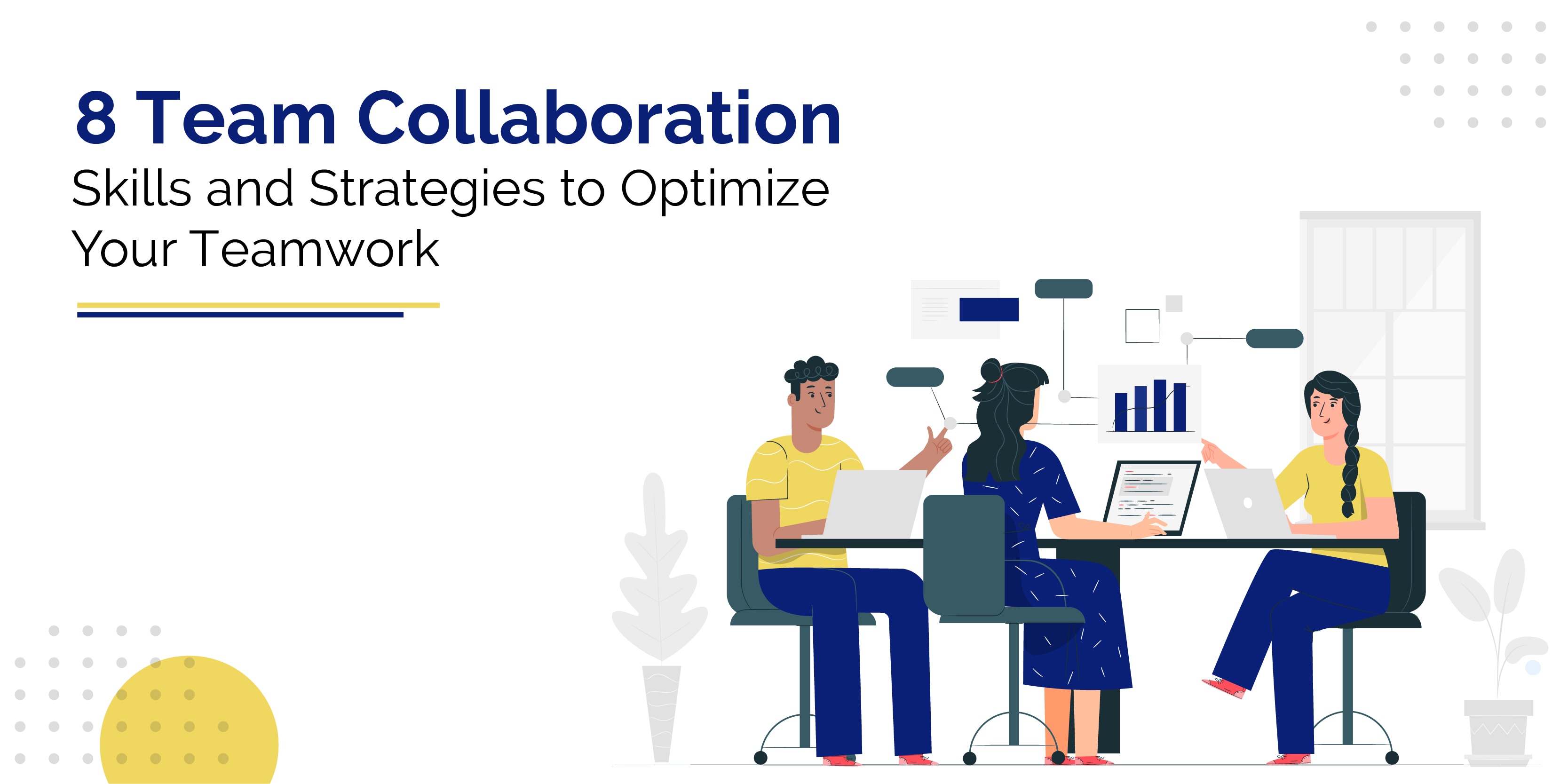
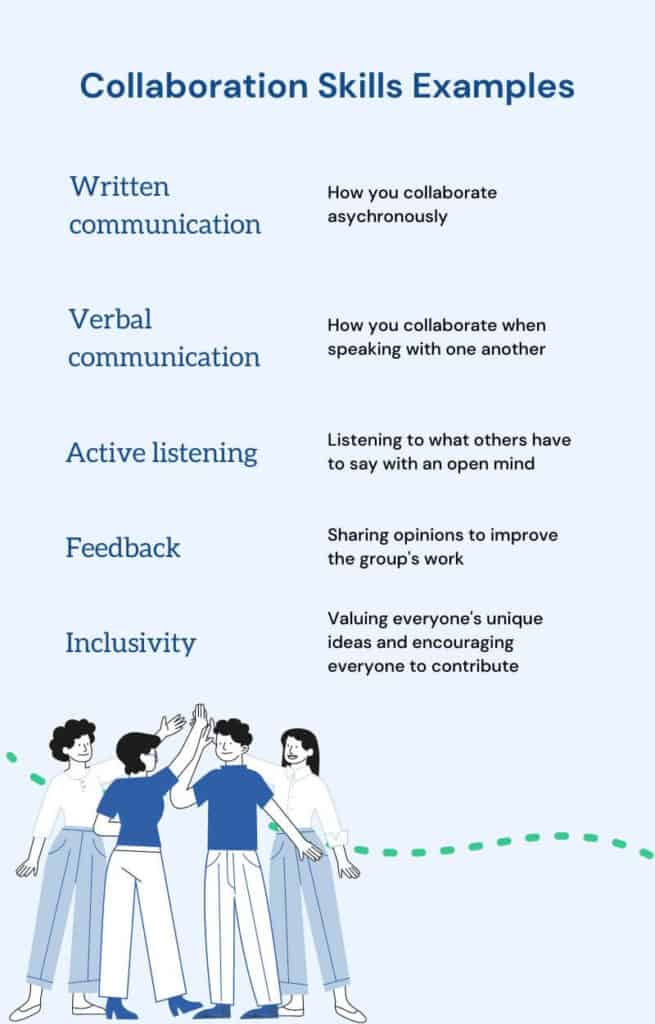
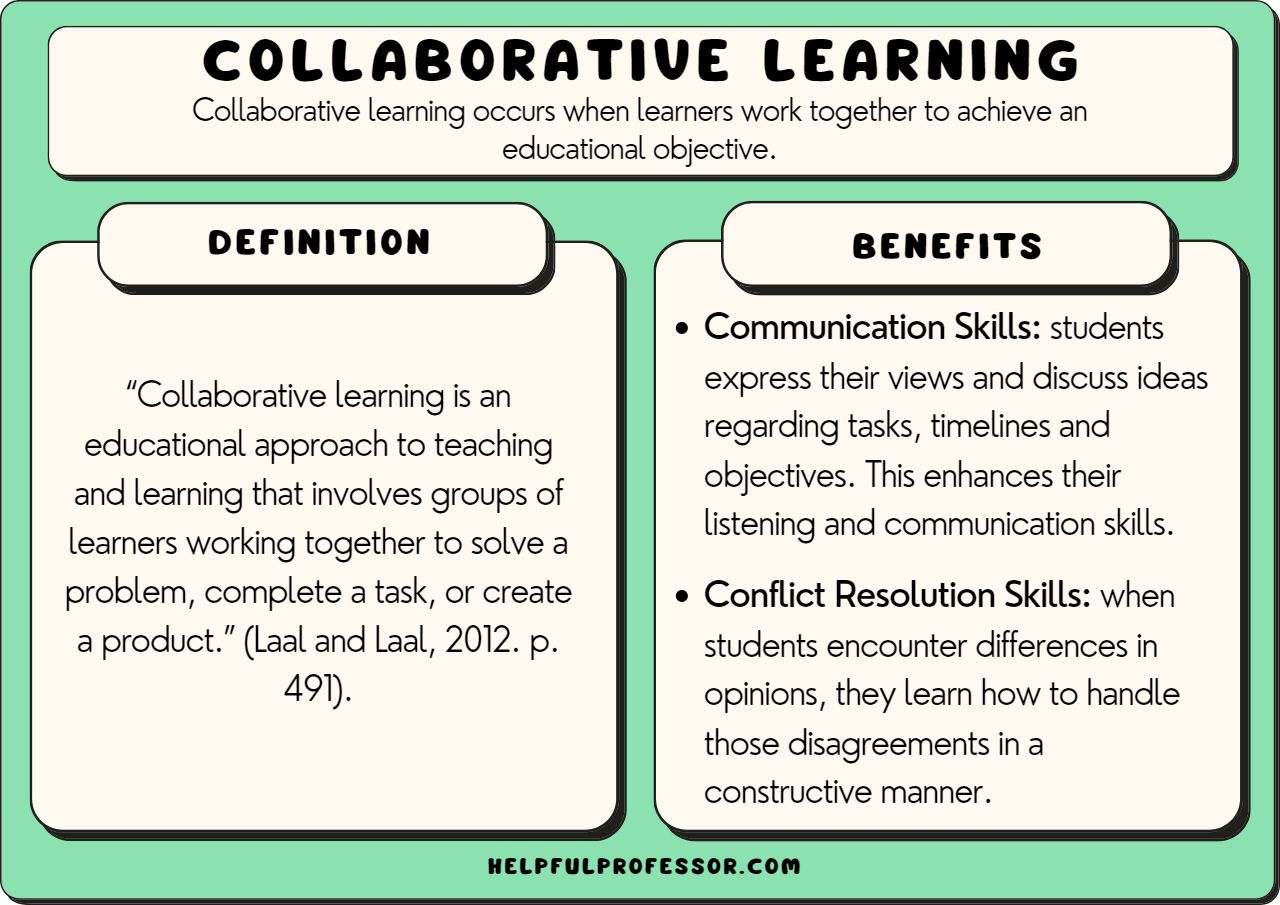
On one hand, hyperconnectivity has enabled faster communication, improved collaboration, and greater flexibility in working arrangements. It has also allowed businesses to reach a wider audience through digital channels, fostering global alignment and increased efficiency. Tech companies, for instance, rely on hyperconnectivity to work together across the globe, with developers in different countries collaborating on projects using cloud platforms.
- Improved collaboration: Hyperconnectivity has made it easier for teams to work together, regardless of their physical location.
- Increased flexibility: With remote work becoming the norm, hyperconnectivity has enabled employees to work from anywhere, at any time.
- Access to real-time data: Hyperconnectivity has made it possible for businesses to access real-time data, enabling them to make informed decisions quickly.
The Negative Aspects of Hyperconnectivity
However, hyperconnectivity also has a dark side. It can lead to digital overload, application fatigue, and system feature overload, causing stress, exhaustion, and decreased work-life balance. A study found that employees who experience hyperconnectivity are more likely to suffer from mental and physical techno-strain, making it difficult for them to switch off from work.
- Digital overload: The constant stream of notifications, emails, and messages can lead to digital overload, causing stress and anxiety.
- Application fatigue: With the multitude of digital tools and applications available, employees can experience application fatigue, leading to decreased productivity.
- System feature overload: The complexity of digital systems can lead to system feature overload, causing employees to feel overwhelmed and frustrated.
The Impact on Work-Life Balance
Hyperconnectivity can also affect work-life balance, leading to conflicts between work and personal life. A study found that workers who experience hyperconnectivity are more likely to experience work-life conflict, which can lead to adverse health and well-being outcomes. The constant connection to work can blur the boundaries between work and personal life, making it challenging for employees to disconnect and recharge.
Prevention Strategies
To mitigate the negative effects of hyperconnectivity, organizations and employees can implement prevention strategies. These include setting boundaries, filtering information, and fostering focused work. Leaders can also create an environment where employees benefit from connectivity without being overwhelmed by it. By implementing these strategies, employees can enjoy the benefits of hyperconnectivity while minimizing its negative effects.
Conclusion
Hyperconnectivity is a double-edged sword that offers both benefits and challenges. While it has improved collaboration, flexibility, and access to real-time data, it also leads to digital overload, application fatigue, and system feature overload. To harness the benefits of hyperconnectivity while minimizing its negative effects, organizations and employees must implement prevention strategies and create an environment that supports balanced work and personal life.
Recommendations
Based on the findings of this article, the following recommendations are proposed:
- Implement digital wellbeing initiatives to promote healthy use of digital tools and applications.
- Set boundaries and establish clear expectations around work hours and communication.
- Provide regular training and support to employees on how to manage digital overload and application fatigue.
- Encourage employees to use digital tools and applications in a way that supports their work-life balance.