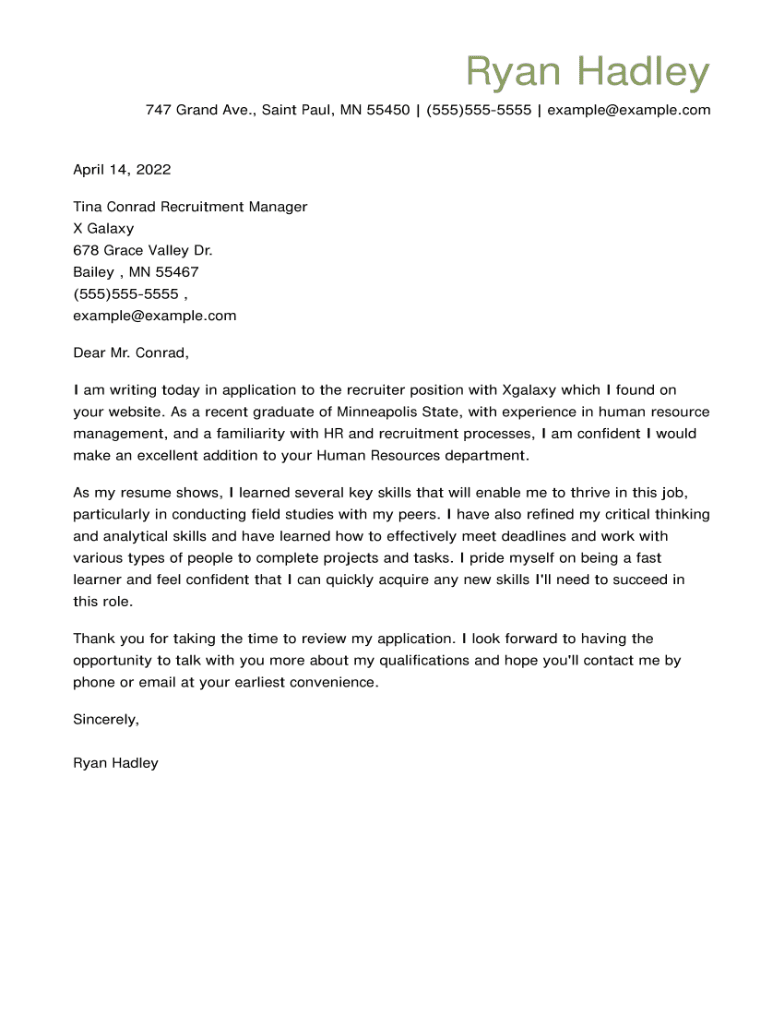
How to Write a Cover Letter for a Pharmaceutical Job: A Step-by-Step Guide
In the highly competitive pharmaceutical industry, a well-crafted cover letter can make a significant difference in securing an interview and landing the job. A cover letter is an opportunity to introduce yourself to the hiring manager, highlight your relevant skills and experience, and demonstrate your enthusiasm for the role. In this guide, we will provide you with a step-by-step approach on how to write a compelling cover letter for a pharmaceutical job.Step 1: Analyze the Job Description
Before writing your cover letter, it's essential to analyze the job description carefully. A job description is composed of two parts: the job title and the job requirements. The job title provides context, while the job requirements outline the skills, qualifications, and experience the employer is looking for in a candidate. Take note of the key words and phrases used in the job description, as these will serve as the foundation for your cover letter.Step 2: Introduce Yourself
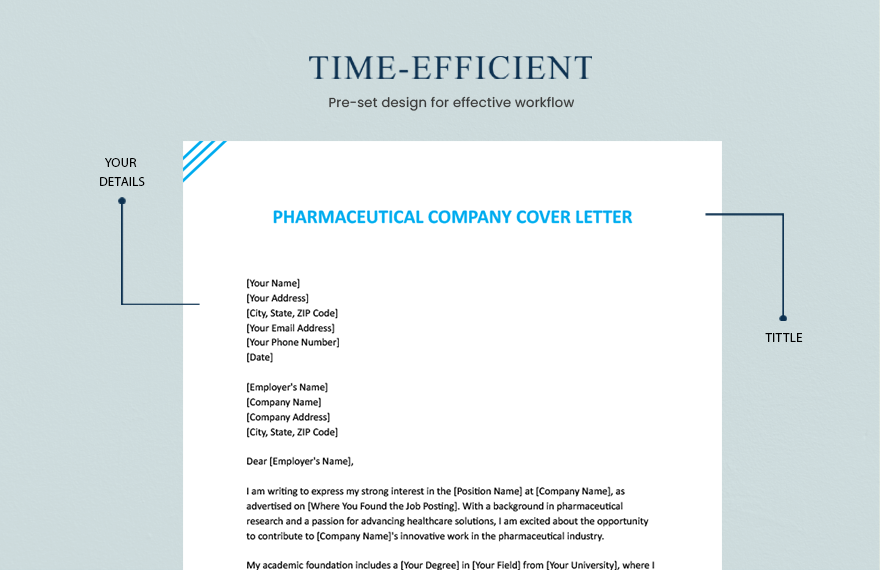
Begin your cover letter with a professional introduction that includes your contact information, a concise summary of your experience, and a brief statement of interest in the role. For example: "Dear Hiring Manager, I am excited to apply for the Pharmaceutical Research Scientist position at [Company Name]. With over 5 years of experience in the pharmaceutical industry and a strong background in research and development, I am confident that I possess the skills and qualifications necessary to excel in this role."Step 3: Highlight Your Relevant Skills and Experience
Use specific examples to demonstrate your relevant skills and experience. Tailor your cover letter to the job requirements, and emphasize how your skills and experience align with the employer's needs. For example: "As a seasoned pharmaceutical researcher, I have a proven track record of designing and executing experiments, analyzing data, and developing new products. In my previous role, I worked closely with cross-functional teams to develop a new medication, which resulted in a 30% increase in sales. I am confident that my expertise in pharmaceutical research and development would be a valuable asset to your team."Step 4: Show Enthusiasm and Interest




.jpg "Cover Letter Examples for All Job Applications and Situations")