How to Protect WiFi Signal Strength: Tips and Strategies for a Stronger Connection
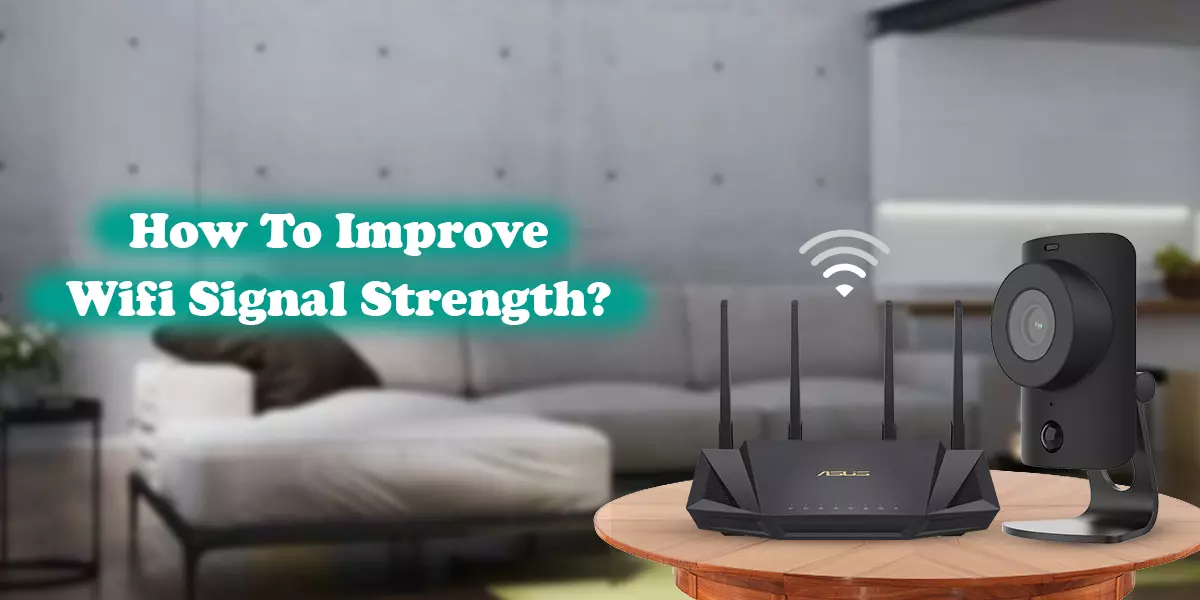
Are you tired of dealing with a weak WiFi signal that's frustrating and unreliable? Whether you're working from home, streaming your favorite shows, or gaming online, a strong WiFi signal is essential for a seamless internet experience. In this article, we'll explore how to protect WiFi signal strength and share actionable tips to improve your connection.
Understanding WiFi Signal Strength
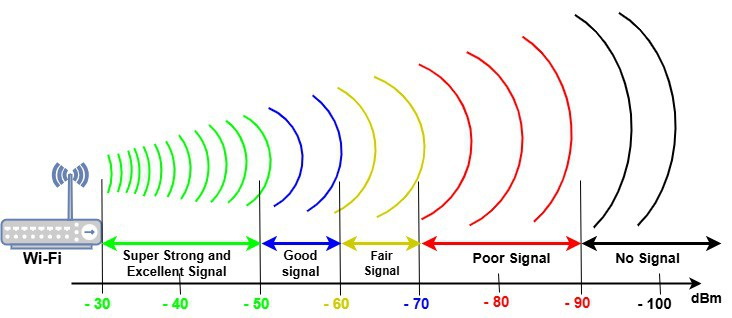
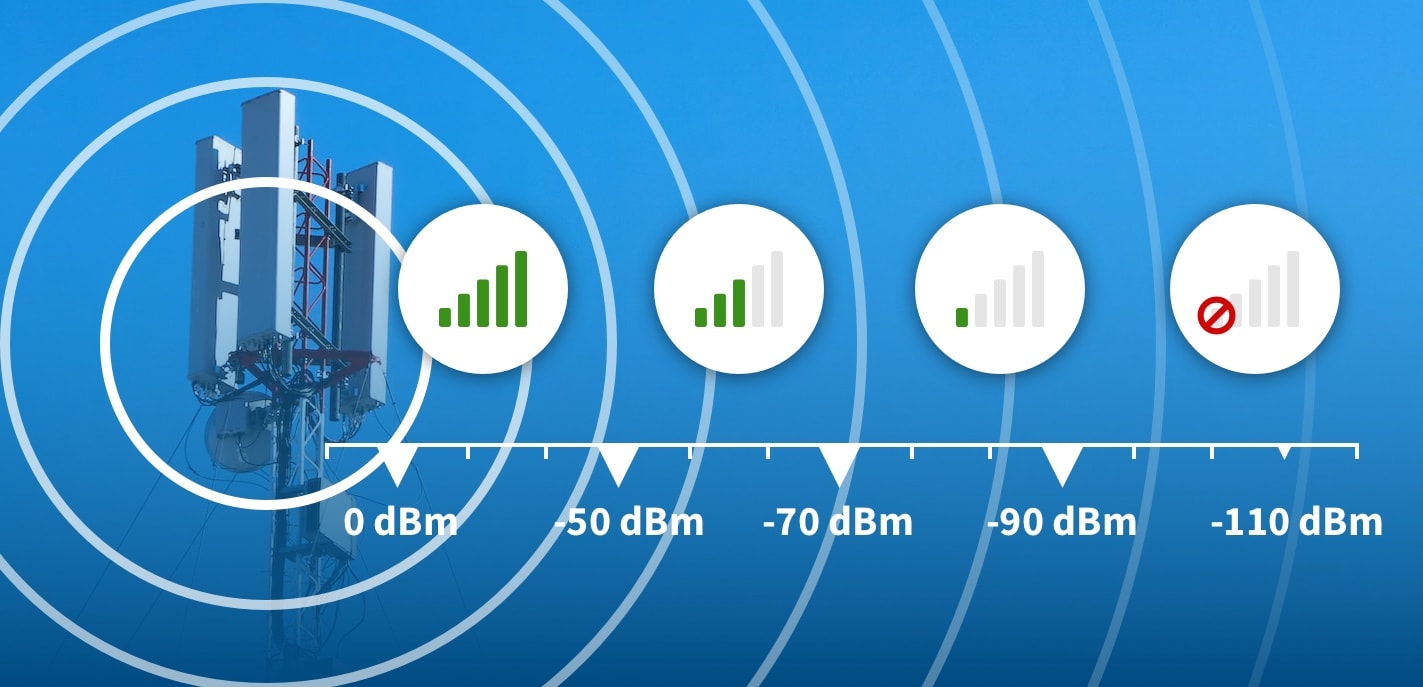
Before we dive into the tips and strategies, it's essential to understand what affects WiFi signal strength. Interference from other devices, physical barriers such as walls and furniture, and even the type of router you're using can all impact your WiFi signal.
Tip #1: Place Your Router in a Central Location
One of the simplest ways to improve your WiFi signal strength is to place your router in a central location. This is because WiFi signals work best when they can travel in a straight line, and placing your router in the center of your home can help ensure that signal reaches all areas of your living space.
- Position your router off the floor and away from walls and metal objects.
- Consider placing your router on a high shelf or in a location with direct access to your modem.
Tip #2: Upgrade Your Router
If your current router is several years old or doesn't support the latest WiFi standards, it may be impacting your WiFi signal strength. Upgrading to a newer router that supports WiFi 6 or 6E can help improve your signal strength and reduce interference.
Tip #3: Use Quality of Service (QoS) Settings
Quality of Service (QoS) settings can help prioritize certain types of internet traffic, such as video streaming or online gaming, over others. This can help ensure that your most important activities have a stable and strong WiFi connection.
Tip #4: Change the WiFi Channel
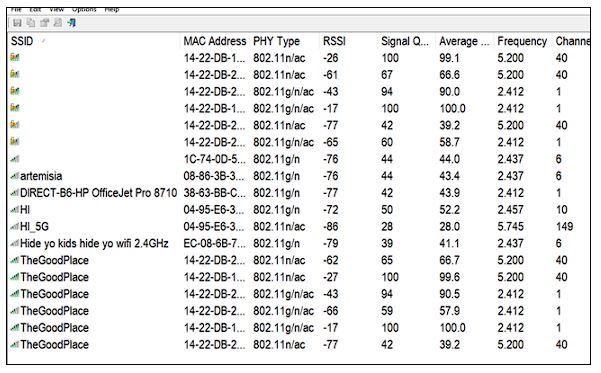
Did you know that changing the WiFi channel can significantly improve your WiFi signal strength? Many modern routers can automatically switch to a channel that's less congested, but sometimes, manually switching to a different channel can make a big difference.

Tip #5: Use WiFi Extenders or Mesh Networks
WiFi extenders and mesh networks can help fill in gaps in your WiFi coverage and extend your signal strength. These products work by repeating and re-broadcasting your WiFi signal, helping to eliminate dead zones and provide a stronger connection.
Tip #6: Check for Interference from Other DevicesTip #7: Keep Your Router and Camera Clean
Dusty routers and cameras can reduce WiFi signal strength, so make sure to keep them clean and free of debris. This includes cleaning the exterior of your router and camera, as well as removing any dust or dirt from the internal components.
Tip #8: Restart Your Router and Camera Regularly
Restarting your router and camera periodically can help improve your WiFi signal strength and eliminate any connectivity issues. Try restarting both devices every few days to see if it makes a difference.
Tip #9: Use the Correct WiFi Band
Make sure to use the correct WiFi band for your device. For example, if you're using a 2.4GHz device, switch to the 2.4GHz band on your router or camera for the best results.
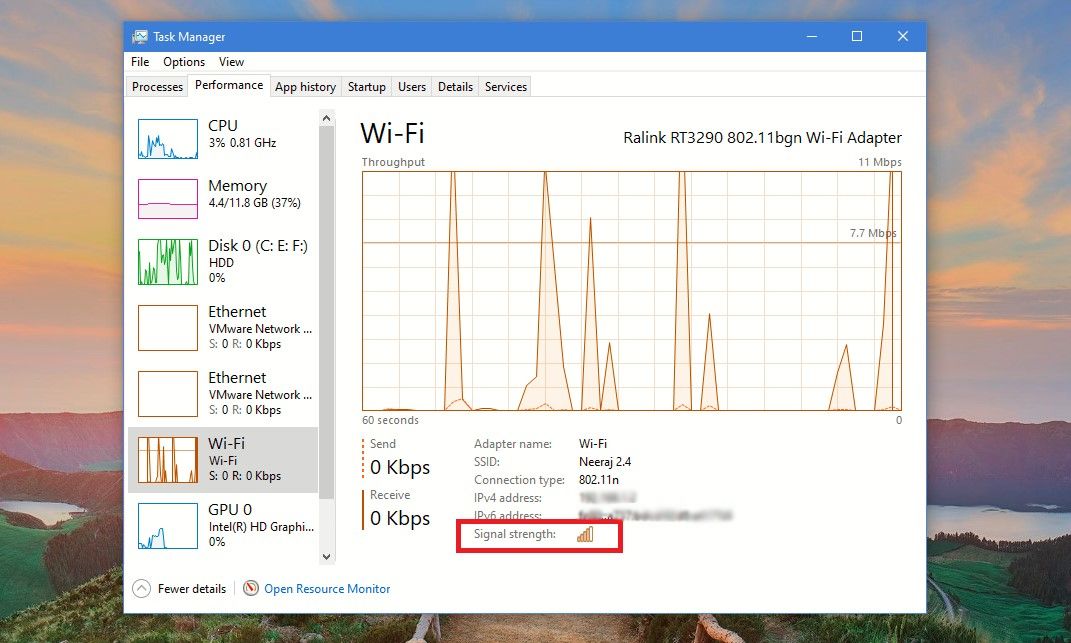
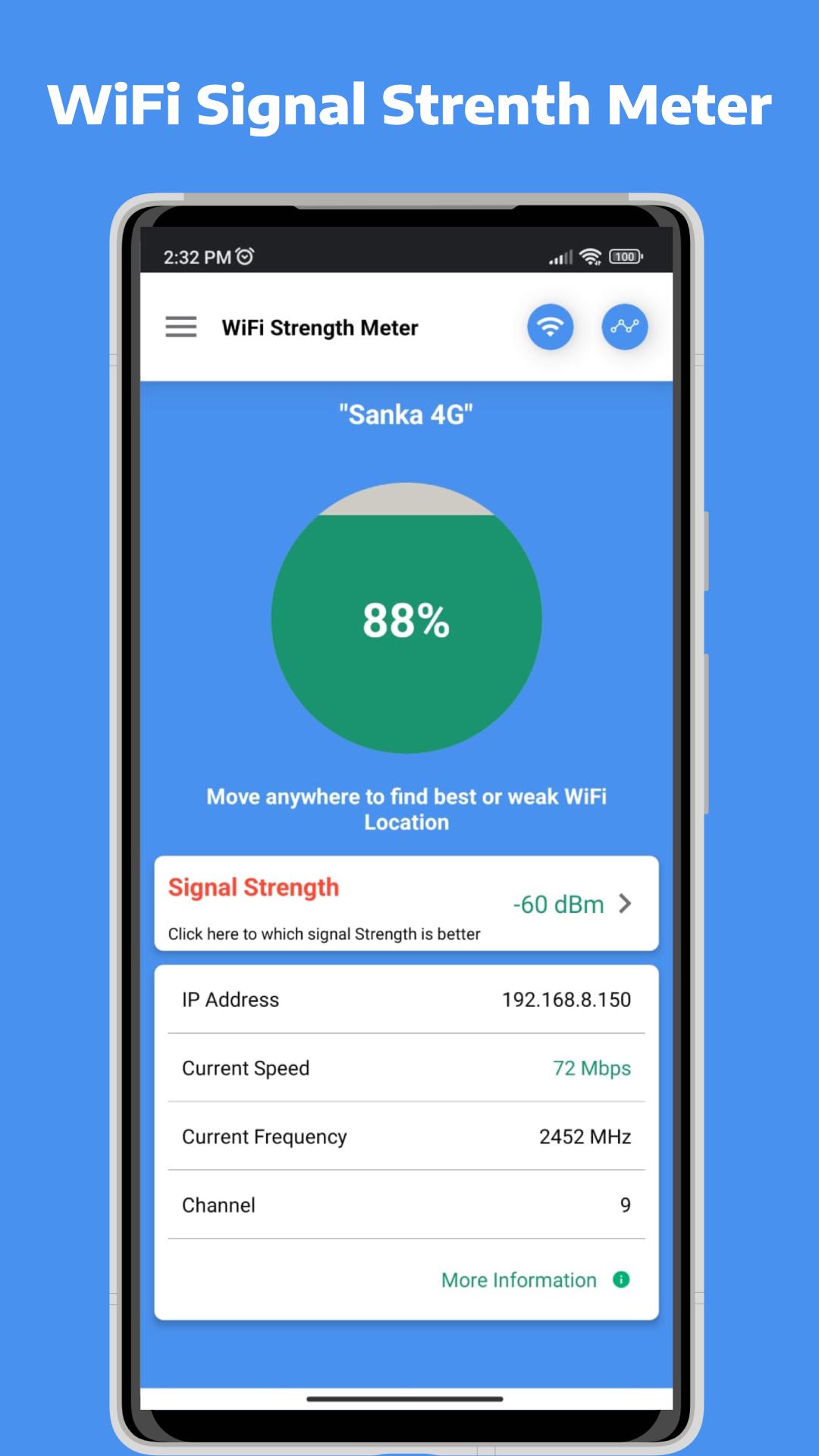
Tip #10: Monitor Your WiFi Signal Strength
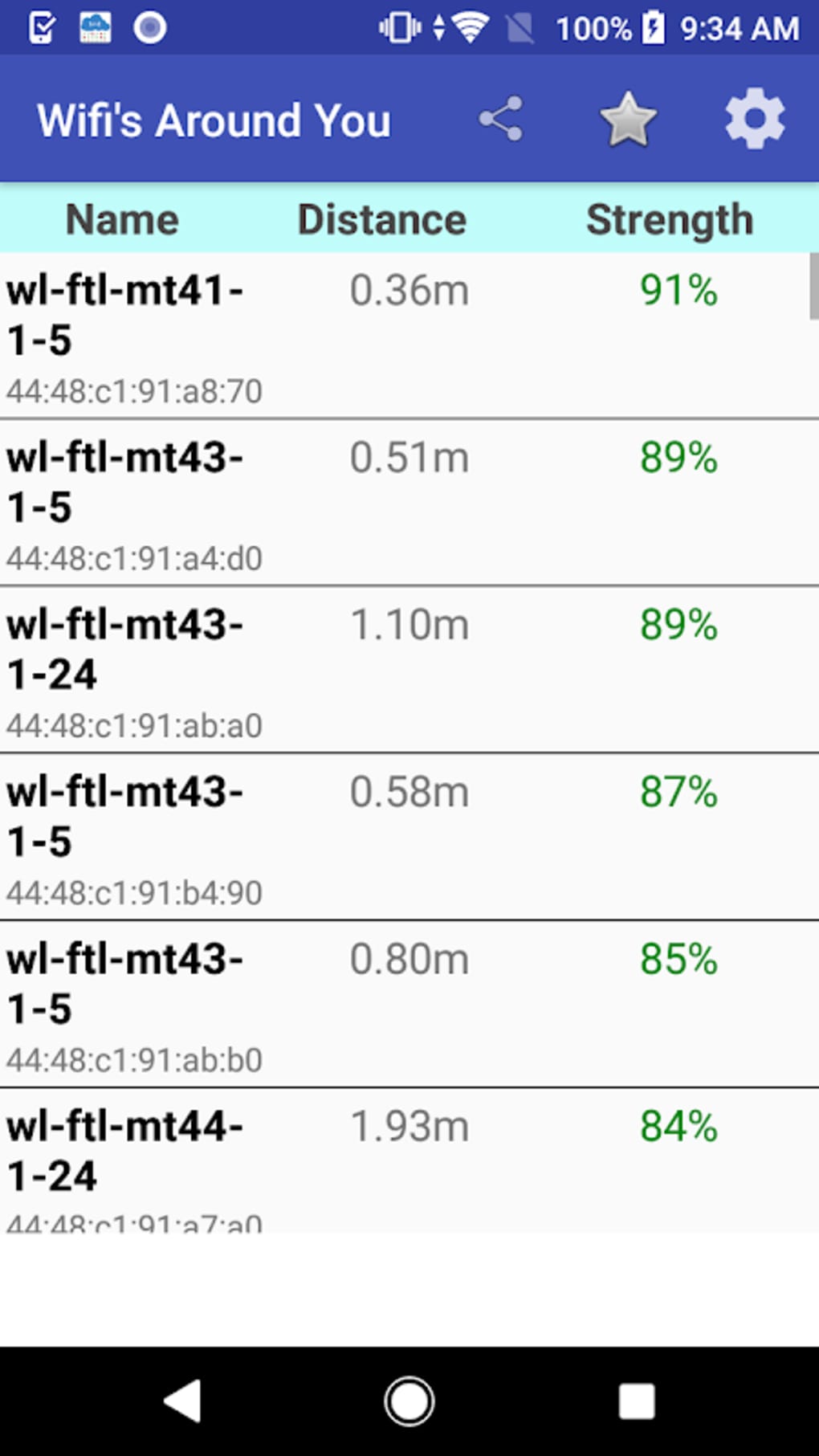
Finally, keep an eye on your WiFi signal strength by using a tool like a WiFi analyzer app. This can help you identify areas of poor WiFi coverage and provide insights into how to improve your signal strength.
Protecting Your WiFi Signal Strength: Conclusion
By following these tips and strategies, you can improve your WiFi signal strength and enjoy a faster, more reliable, and stress-free online experience. Remember to keep an eye on your router and camera, check for interference from other devices, and use quality of service settings to prioritize important internet traffic. With a little effort, you can strengthen your WiFi signal and stay connected wherever you go!