How to Protect Against Phishing Attacks: A Comprehensive Guide
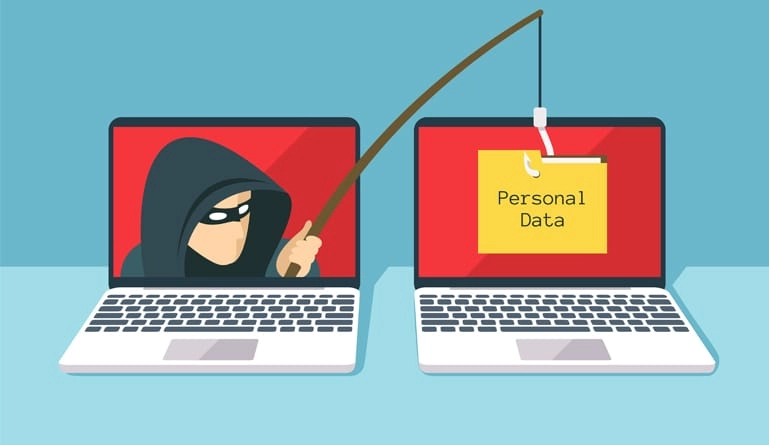
Phishing attacks are one of the most common online scams, with scammers launching thousands of attacks every day. These attacks can be in the form of phone solicitations, fraudulent social media accounts, or websites that aim to trick users into revealing their personal information. In this article, we will provide you with a comprehensive guide on how to protect yourself against phishing attacks.Understanding Phishing Attacks
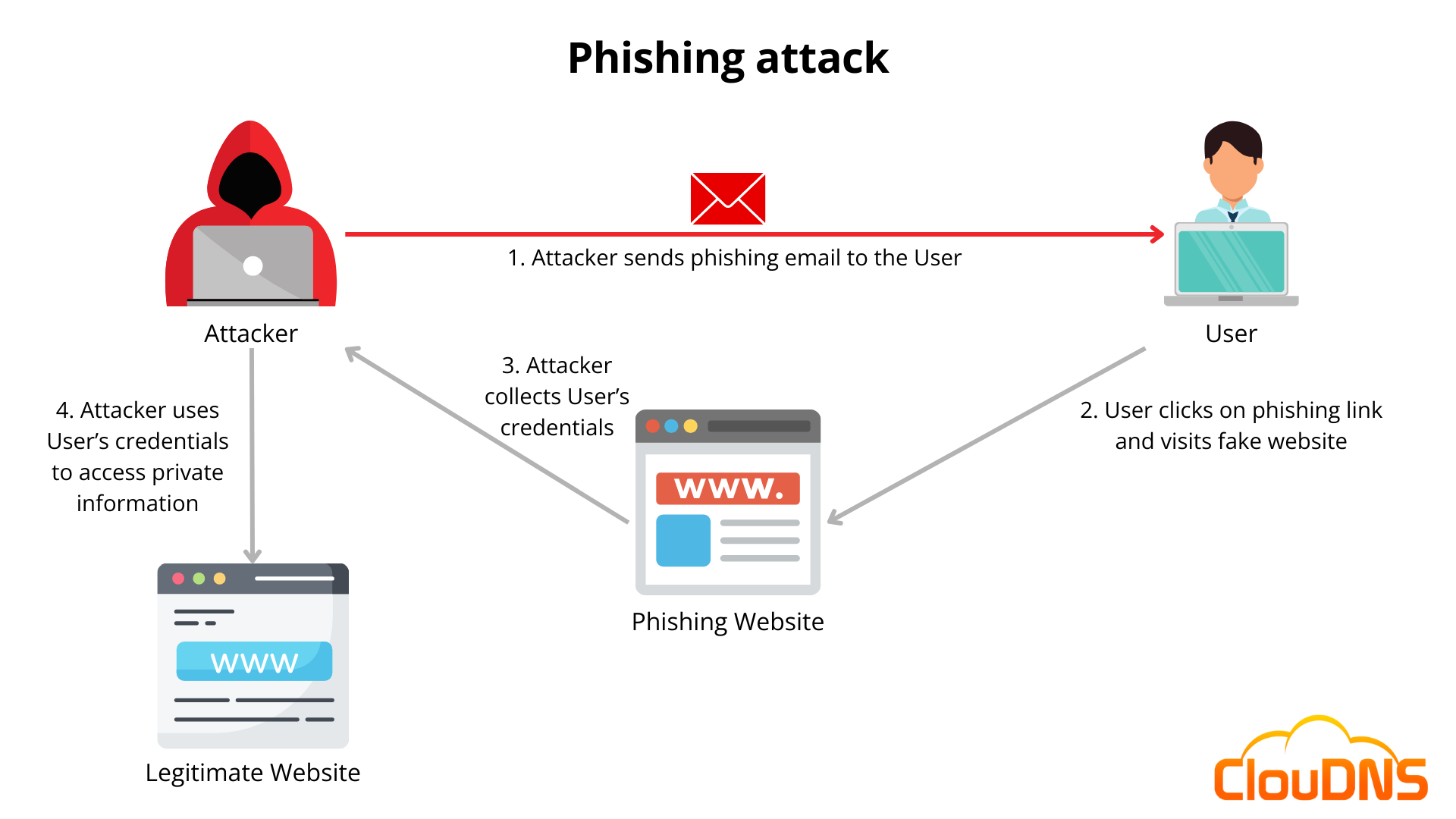
Phishing attacks typically occur through fraudulent emails, messages, or websites that impersonate legitimate entities, tricking users into believing they are interacting with a trusted source. These attacks can lead to the disclosure of sensitive information, such as usernames, passwords, credit card details, or social security numbers.Why Are Phishing Attacks So Successful?
Phishing attacks are successful because they often appear to be legitimate, and users may not be aware of the potential risks. Scammers use various tactics to trick users, including: * Creating fake emails or messages that appear to be from a trusted source * Using convincing language and logos to make the attack appear legitimate * Creating a sense of urgency to encourage users to act quickly without thinkingHow to Protect Against Phishing Attacks
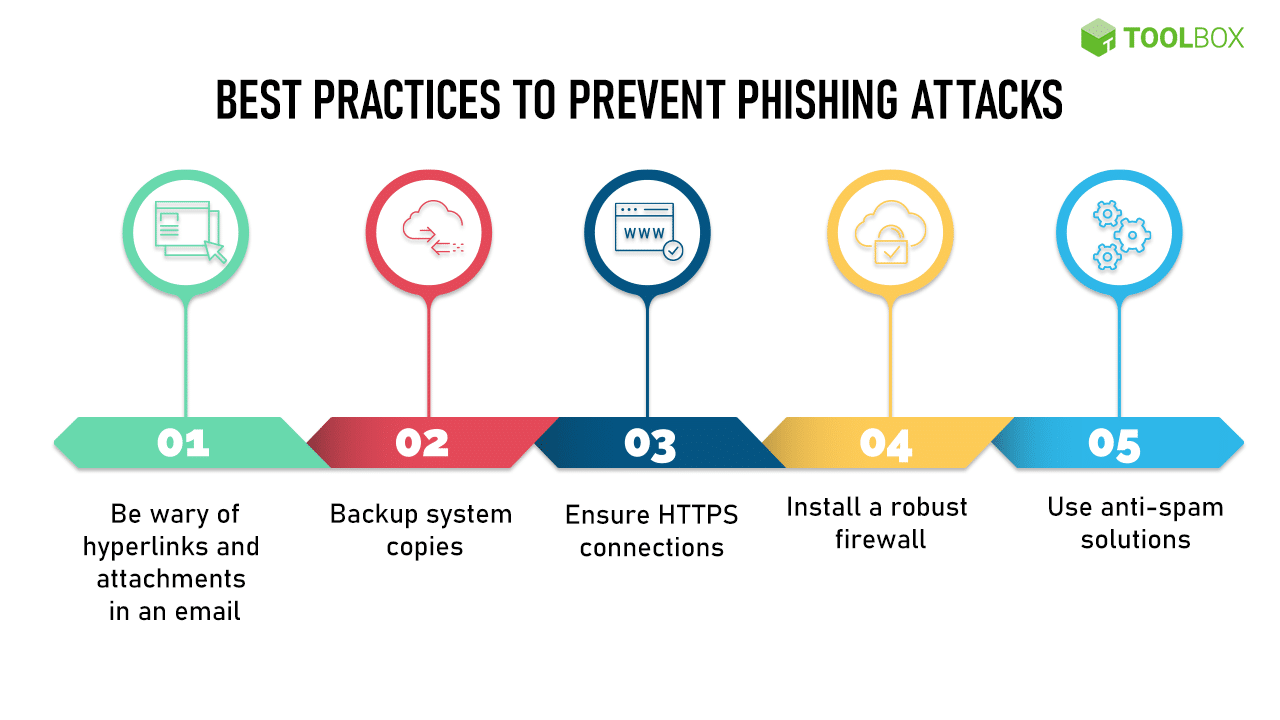
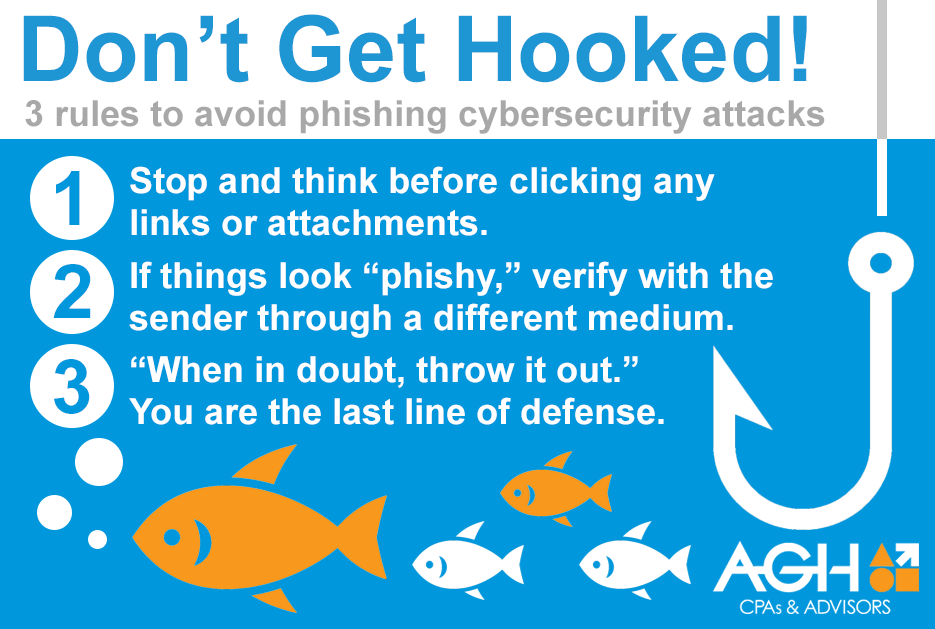
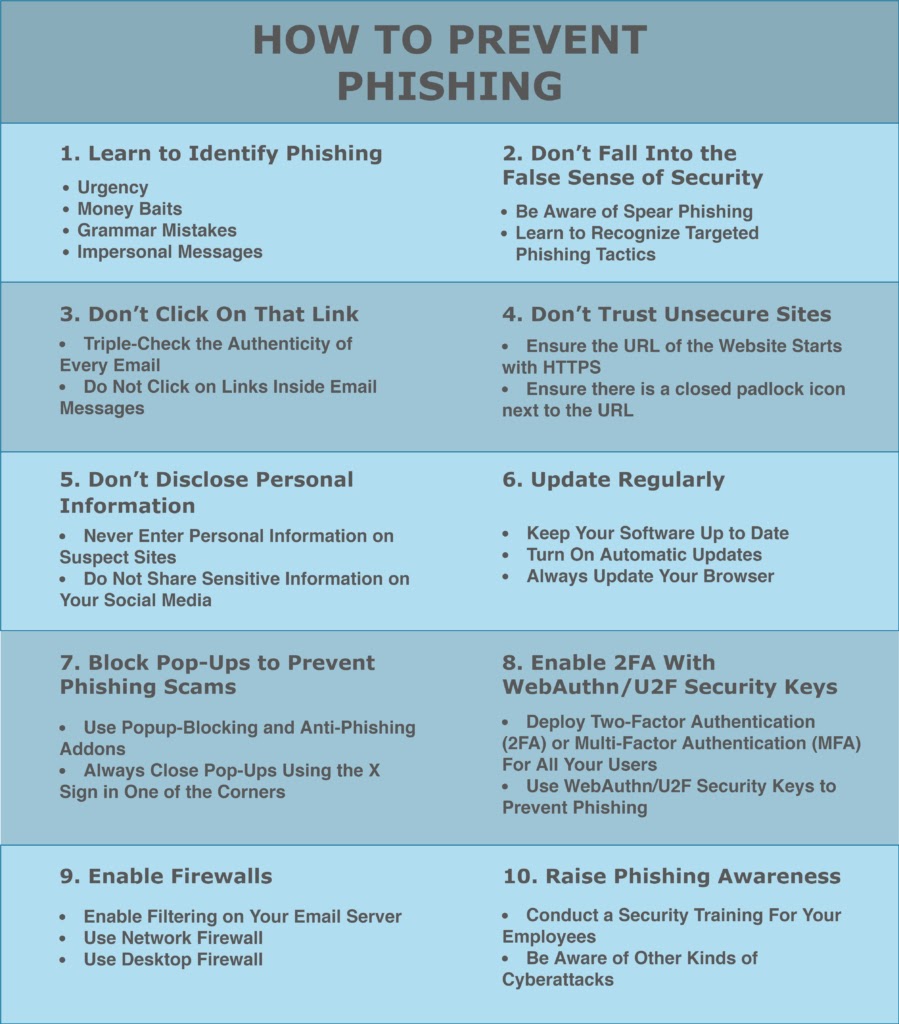
To protect yourself against phishing attacks, follow these tips:Stay Informed
Stay informed about the latest phishing trends and maintain vigilance before interacting with suspicious messages. By adopting these strategies, you can better defend against phishing attacks and help create a safer digital environment.Use Security Software
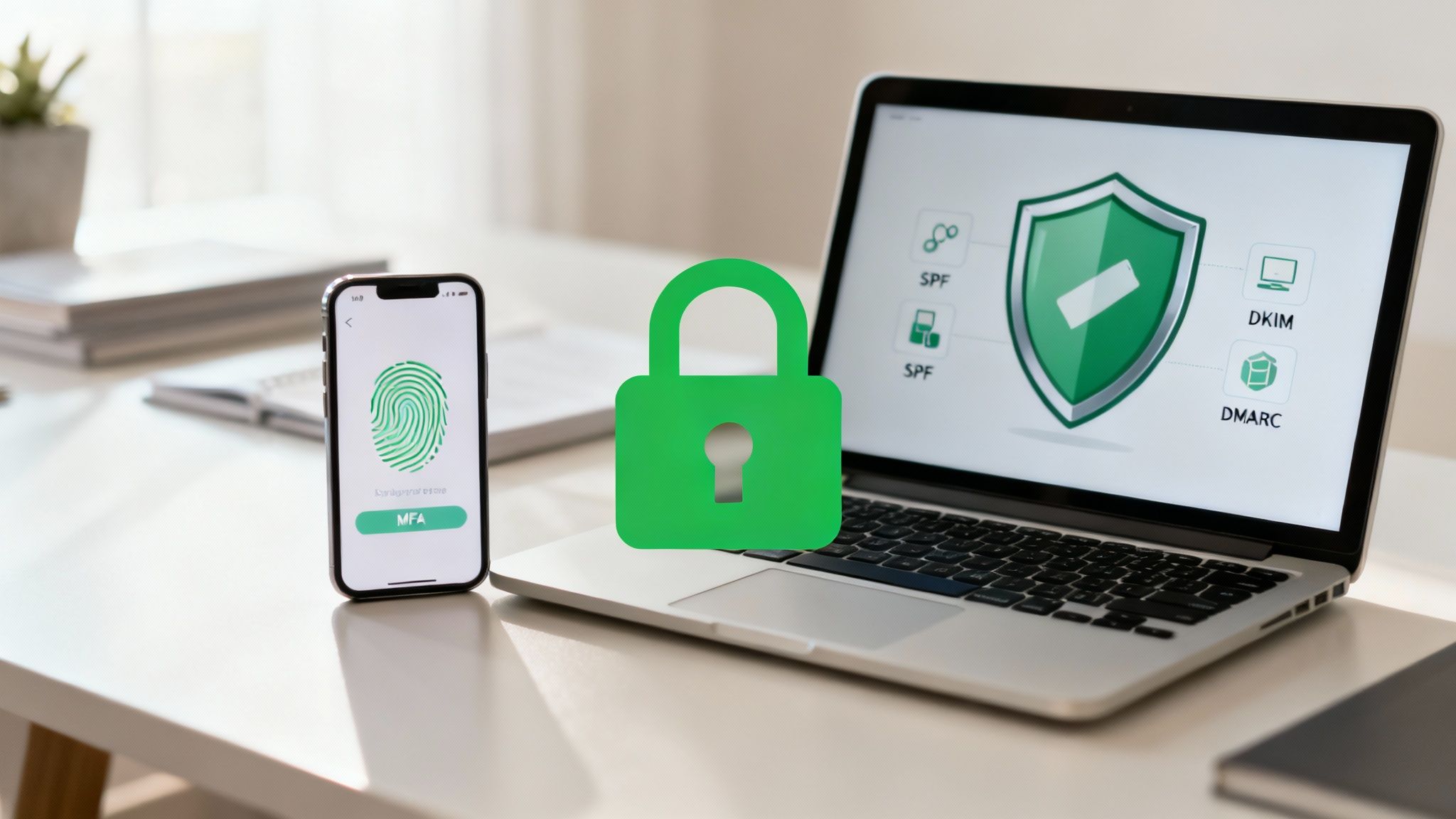
Use security software to protect your computer from malware and other threats. Update it regularly, or set it to update automatically, for the most up-to-date protection. Set it to automatically scan new files on your device. If you don't have security software on your device, download it.Be Vigilant Against Phishing Emails