Mastering Python Functions: A Comprehensive Guide
Python functions are a fundamental concept in programming that allows you to write reusable and modular code. In this article, we will delve into the world of Python functions, covering the basics, types, and advanced techniques to help you master this essential skill.
What are Python Functions?
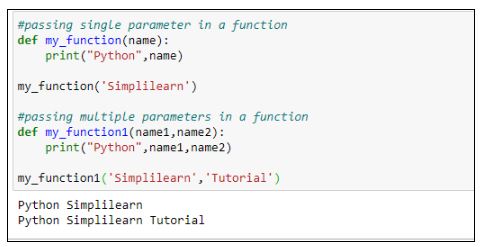
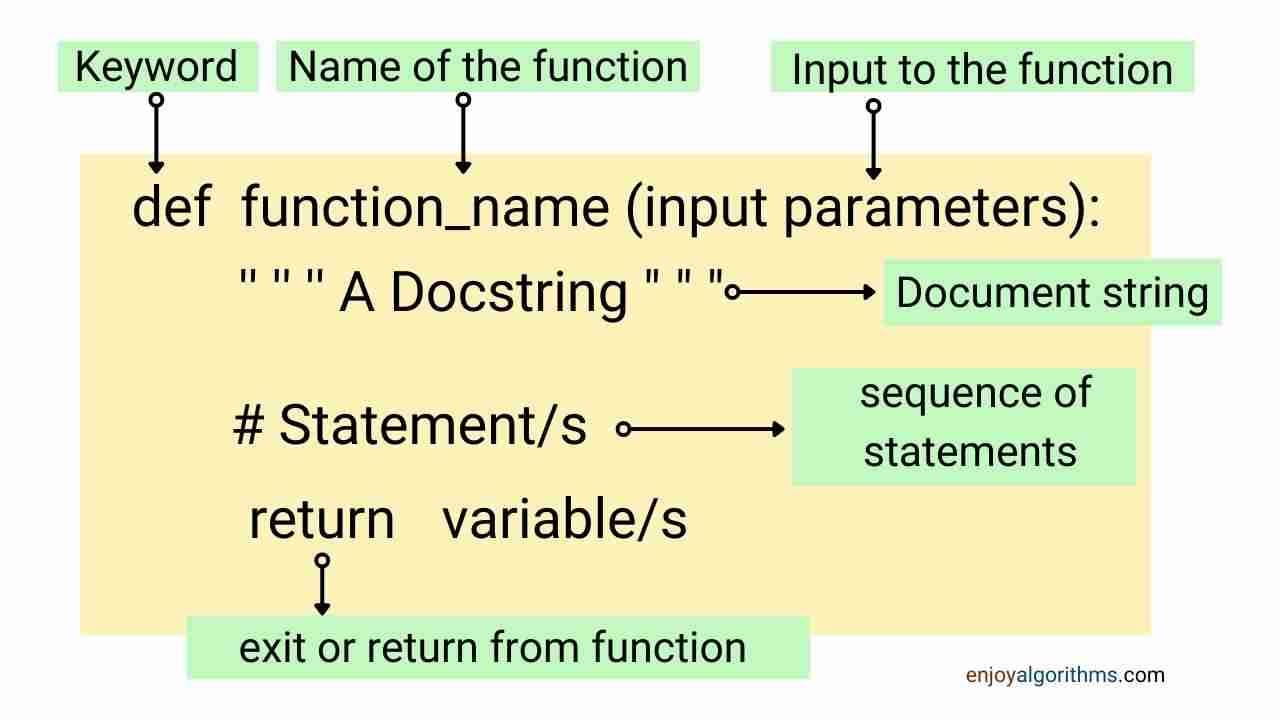
A function in Python is a block of code that performs a specific task and can be called multiple times from different parts of the program. It takes arguments, performs operations, and returns data as a result. Functions help in avoiding code repetition and make the code more organized and efficient.
Getting Started with Python Functions
- Start by getting familiar with the basics of Python programming language. You can begin with DataCamp's free Intro to Python tutorial, which offers interactive coding challenges and video lessons by expert instructors.
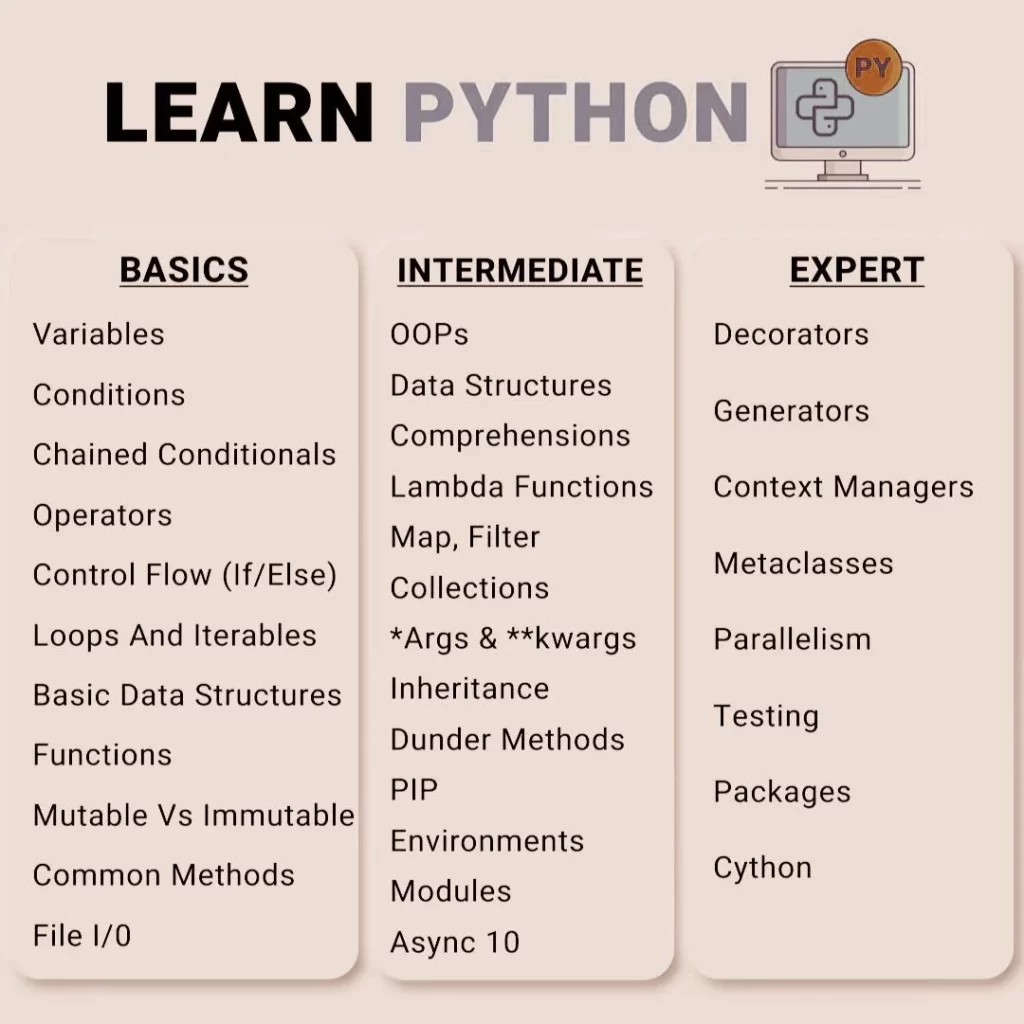
- Once you have a solid grasp of Python basics, you can start exploring the world of functions. You can use Python documentation and online resources to learn more about functions, including examples and best practices.
Understanding Function Types
Python offers several types of functions, including:
- Def Functions: These are standard reusable functions that can be used multiple times in a program.
- Lambda Functions: These are anonymous functions that can be defined on the fly and used immediately.
- Callable Functions: These are functions that can be used as objects, allowing you to create flexible and reusable code.
How to Learn Python Functions
Learning Python functions requires practice and patience. Here are some tips to help you get started:

- Start with basic examples and gradually move on to more complex scenarios.
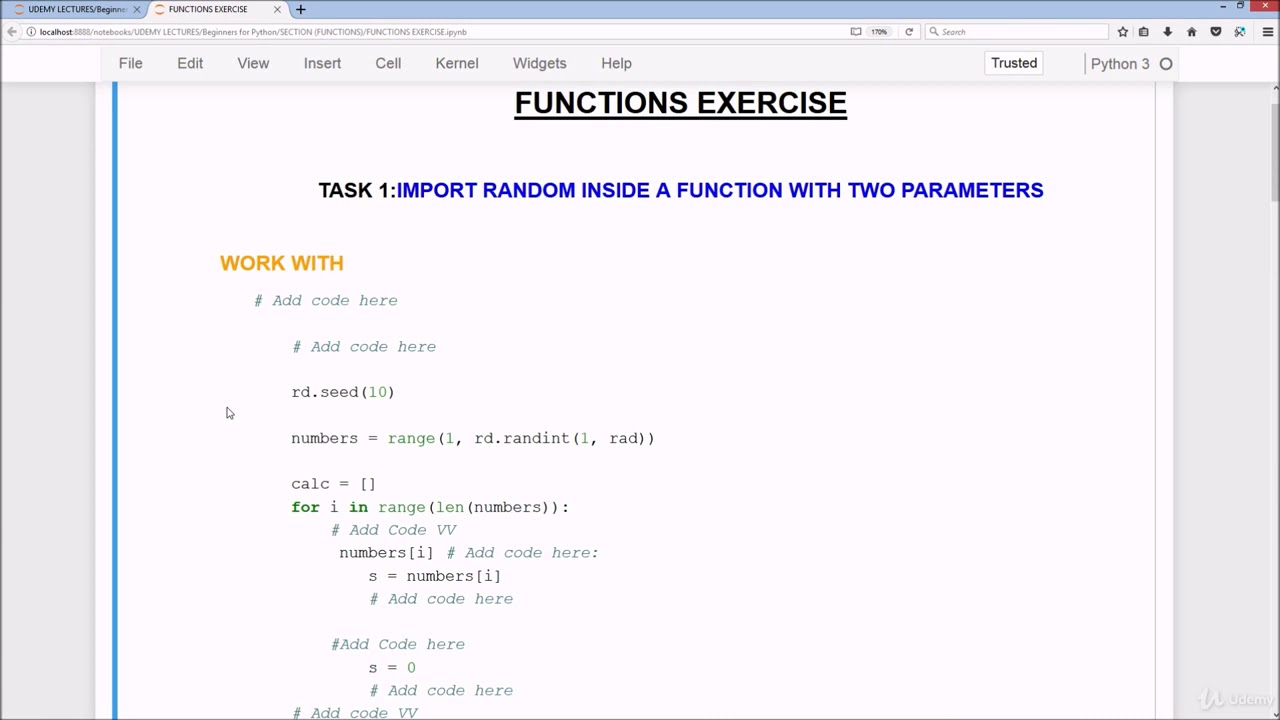
- Practice writing functions to perform common tasks, such as data manipulation or file operations.
- Use online resources and tutorials to learn more about advanced techniques, such as higher-order functions and decorators.
Best Practices for Using Functions
Here are some best practices to keep in mind when using functions in Python:
- Keep your functions short and focused on a single task.
- Use meaningful function names that describe what the function does.
- Use comments to explain the purpose of each function.
- Test your functions thoroughly to ensure they work correctly.
Conclusion
Mastering Python functions is an essential skill for any programmer. By understanding the basics, types, and advanced techniques, you can write more efficient, modular, and reusable code. Remember to practice regularly, use online resources, and follow best practices to become a proficient Python programmer.
Additional Resources
Here are some additional resources to help you learn more about Python functions:
- PEP 8, the official Python style guide.
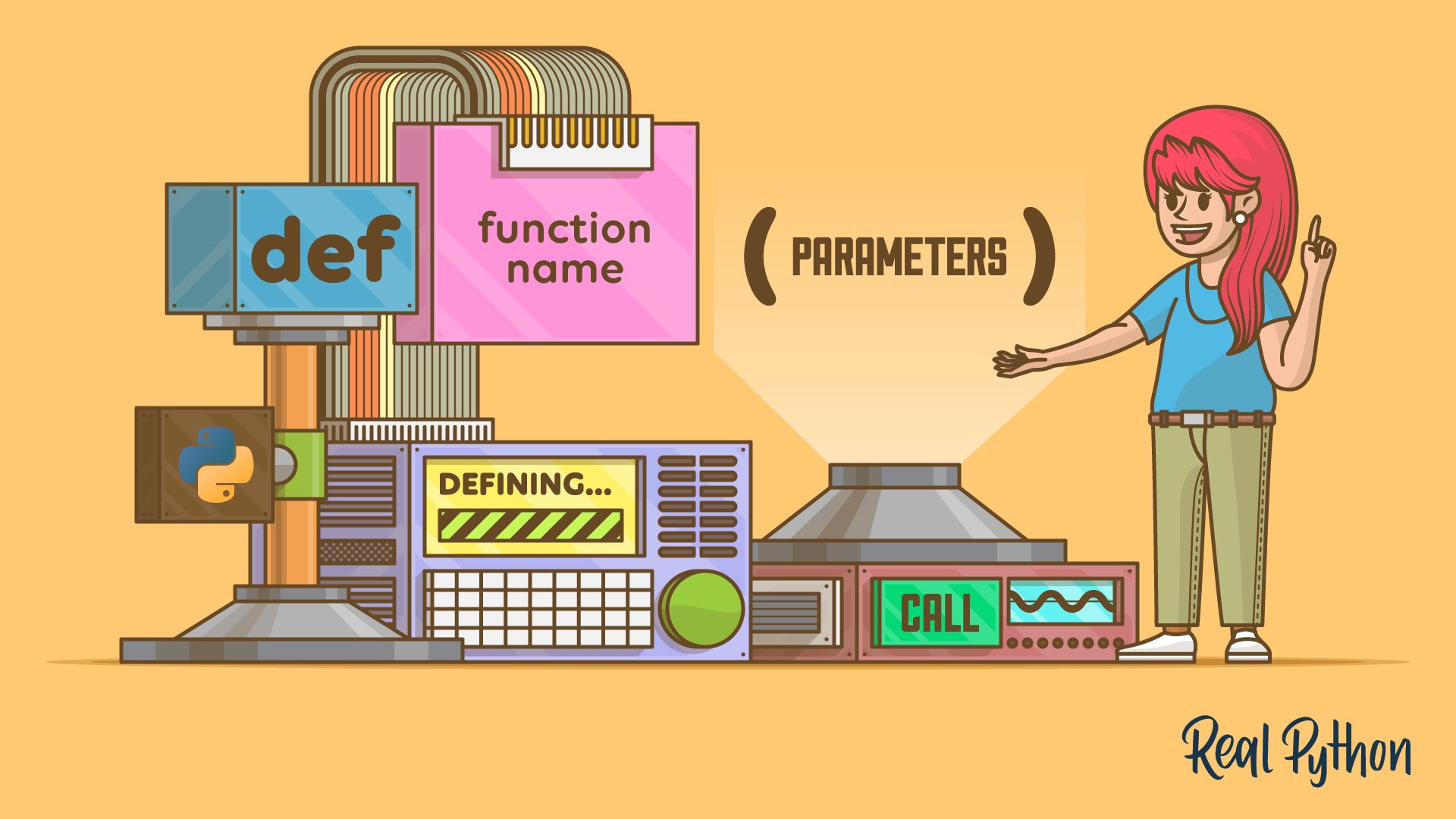
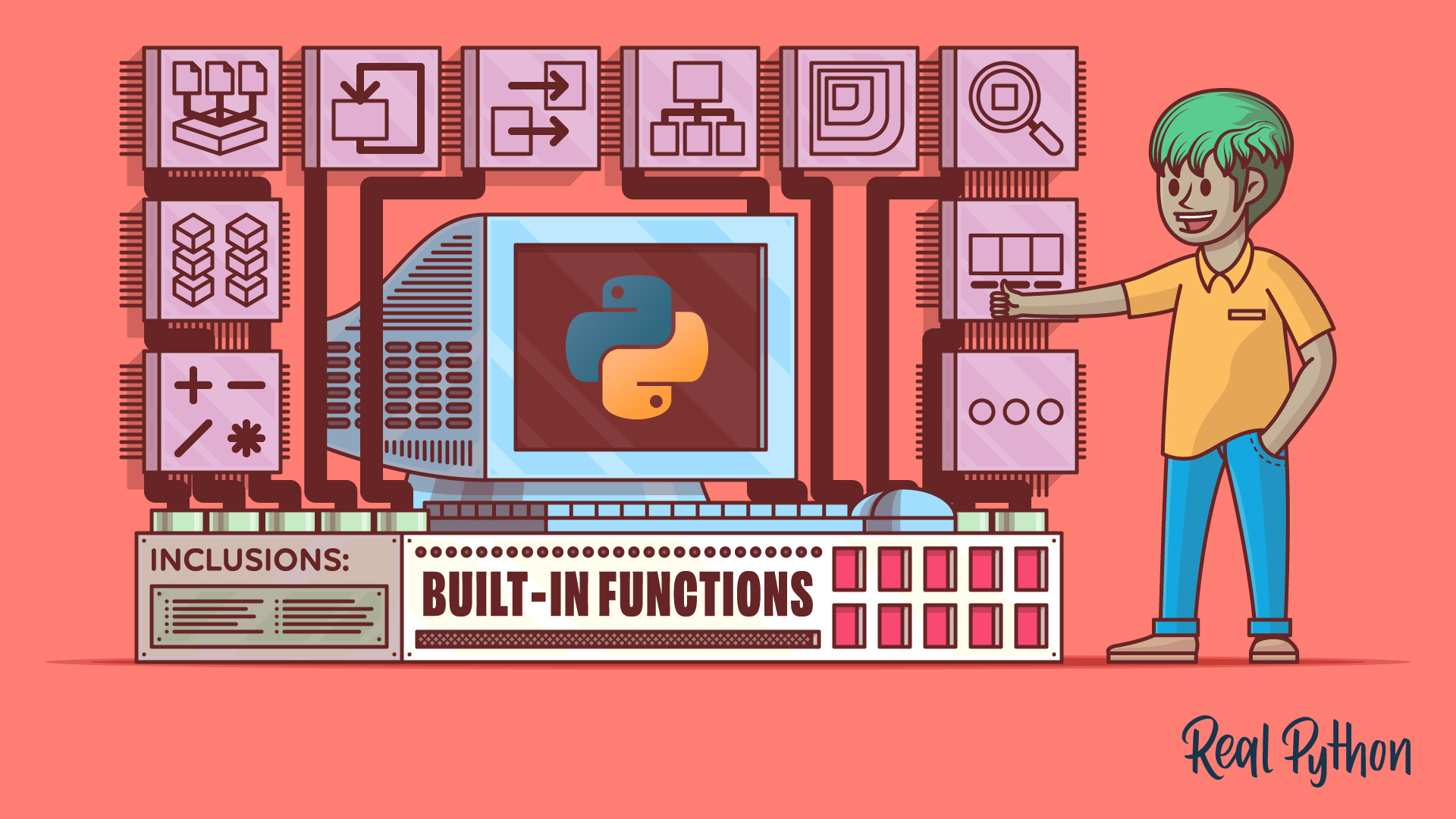
- Real Python's tutorial on Python functions.
- Python documentation on control flow and functions.



![Python Exercises, Practice, Challenges [385+ Exercises] - PYnative](https://miro.medium.com/v2/resize:fit:1358/1*rapDfBb9sbSXk7BUjlKMmA.png "Python Exercises, Practice, Challenges [385+ Exercises] - PYnative")