Dealing with Information Overload: How to Regain Control and Reduce Stress
Are you feeling overwhelmed by the constant stream of information coming at you from all directions? Do you struggle to prioritize tasks and make decisions due to the sheer volume of data and messages you receive daily? You're not alone. Information overload is a common problem that can affect anyone, from busy professionals and students to entrepreneurs and social media influencers.
What is Information Overload?
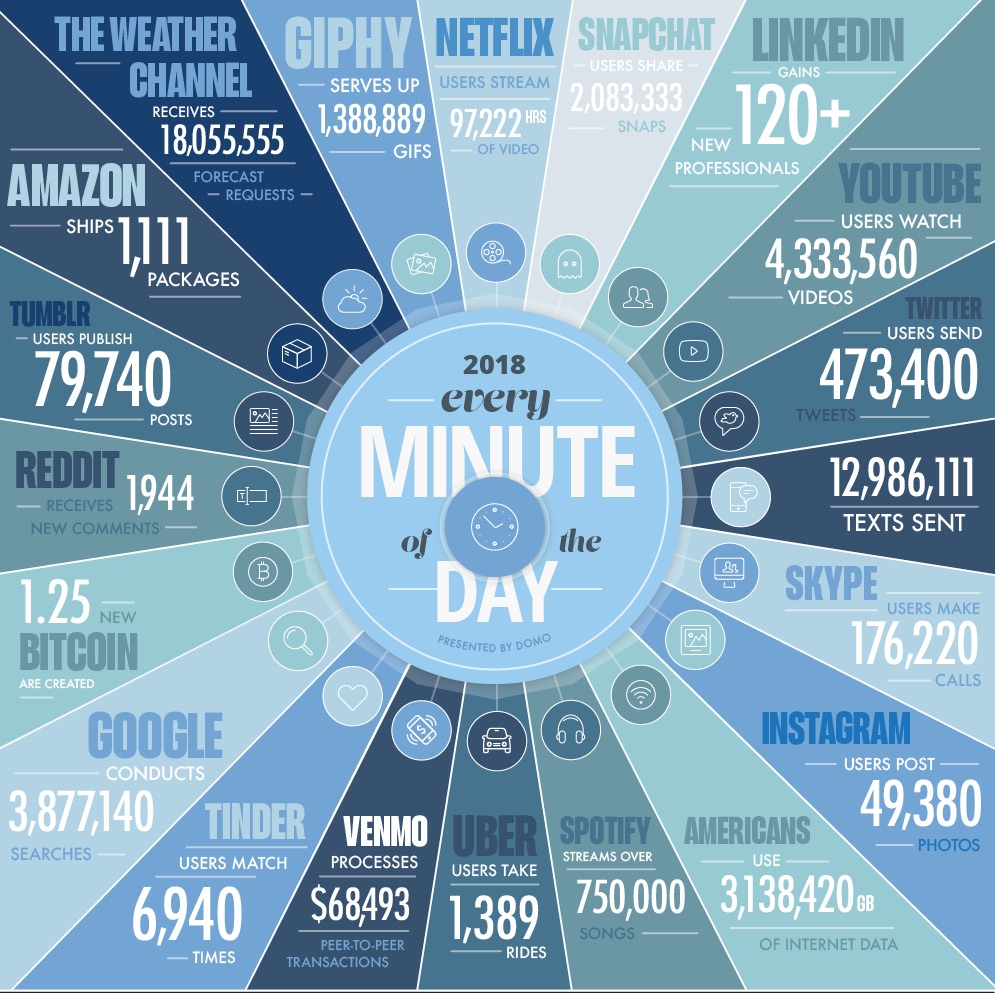
Information overload occurs when we're exposed to more information than our brains can realistically process. It's not just about the volume of content; it's also about the relentless pace, emotional intensity, and feeling that we must stay constantly updated or risk missing something critical. In today's digital age, where data is constantly being generated and disseminated through various channels, the overwhelming amount of available information can lead to confusion, anxiety, and decreased productivity.
Causes of Information Overload
- Over-reliance on digital communication**: Constantly switching between emails, social media, texts, and instant messaging can lead to information overload.
- Multitasking**: Trying to do multiple tasks at once can decrease productivity and increase stress levels.
- Never-ending stream of information**: 24/7 news cycles, social media feeds, and entertainment platforms can create a sense of information overload.
- Fear of missing out (FOMO)**: The pressure to stay updated on every news story, trend, and development can be overwhelming.
- Loss of focus**: Difficulty concentrating on a single task due to distractions and competing demands.
Strategies for Managing Information Overload
Fortunately, there are effective strategies for managing information overload and regaining control of your digital life:
1. **Prioritize tasks and focus on essential information**.
2. **Use technology to your advantage**: Utilize tools such as project management software, browser extensions (e.g., Focus@Will, StayFocusd), and mobile apps (e.g., Forest, Moment) to help you stay organized and focused.
3. **Set boundaries and limits**: Establish specific times for checking emails, social media, and news; disconnect from digital devices during certain hours or activities (e.g., during meals, exercise, or family time).
4. Practice mindfulness**: Regular mindfulness exercises, meditation, or deep breathing can help reduce stress and improve mental clarity.
5. Learn to say no**: Set realistic expectations with colleagues, family, and friends, and politely decline non-essential requests or commitments.
6. **Develop a pre-bedtime routine**: Avoid screens for at least an hour before bedtime to reduce blue light exposure and enhance sleep quality.
Conclusion
Information overload is a prevalent issue in today's digital age, but there are steps you can take to regain control, reduce stress, and improve productivity. By prioritizing essential information, utilizing technology effectively, setting boundaries, practicing mindfulness, learning to say no, and developing a healthy pre-bedtime routine, you can better manage information overload and reclaim your mental clarity.