Home Router Security Settings: A Comprehensive Guide to Protect Your Network
As the heart of your home network, your router plays a crucial role in protecting your connected devices and online activities from cyber threats. With the increasing number of devices connected to the internet, the importance of maintaining robust security settings on your router cannot be overstated. Whether you're a tech-savvy individual or a beginner, understanding and implementing the right home router security settings is essential to safeguard your network and prevent unauthorized access.
Why Router Security Settings Are Critical
Think of your router as the gatekeeper of your home network. It regulates access to your devices and the internet, allowing only authorized devices to connect and restricting unauthorized ones from entering your network. A compromised router can provide hackers with a backdoor to your network, compromising sensitive data and putting your personal information at risk.
Disabling Remote Access: A Crucial Step in Securing Your Router
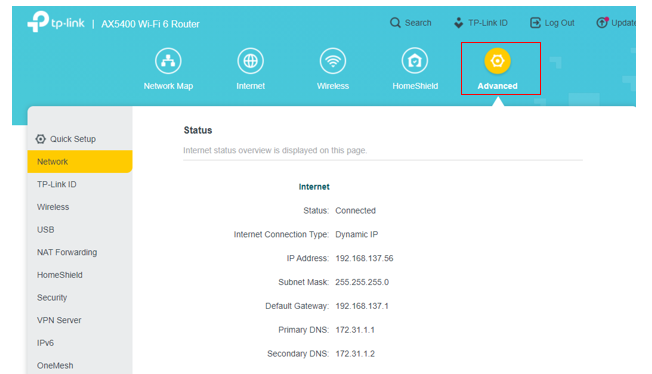
One of the most effective ways to prevent unauthorized access to your router is to disable remote access. Routers offer a web interface, allowing you to configure settings and manage your network. While this feature is convenient, it can also serve as an entry point for cyber threats. Disabling remote access makes it less likely for hackers to breach your network and exploit vulnerabilities.
The Importance of Regular Firmware Updates
Regularly updating your router's firmware is essential to ensure that your network stays secure. Updates often include patches for identified vulnerabilities and improve performance. Install automatic updates if possible to ensure your router stays up to date, even if you're not online.
Securing Your Wireless Network with WPA3 Encryption
WPA3 encryption is a state-of-the-art security protocol that uses advanced encryption ciphers and augmented security protocols. By enabling WPA3 on your router, you can safeguard your wireless network against hackers and eavesdroppers, keeping your personal data and online activities secure.
Managing Your Home Network with Smart Settings
Intelligent network management involves configuring your router to prioritize network traffic and optimize performance. Assign Quality of Service (QoS) settings to ensure that critical applications and devices receive the necessary bandwidth, and enable guest networking to segregate visitors and prevent them from accessing sensitive areas of your network.
Securing Your Router with a Strong Password
A strong password is the first line of defense for your router. Use a combination of letters, numbers, and special characters to create a unique and complex password that's difficult for cyber threats to crack. Avoid using easily guessable information such as birthdays, anniversaries, or common word sequences.
Configuring Your Router's Security Settings
Change Your Default Router Username and Password
When you set up your router, it often comes with default login credentials. Change these to something more complex and secure. Failure to do so can leave your router vulnerable to attack, as this is the most common default password used.
Enable Wireless Encryption
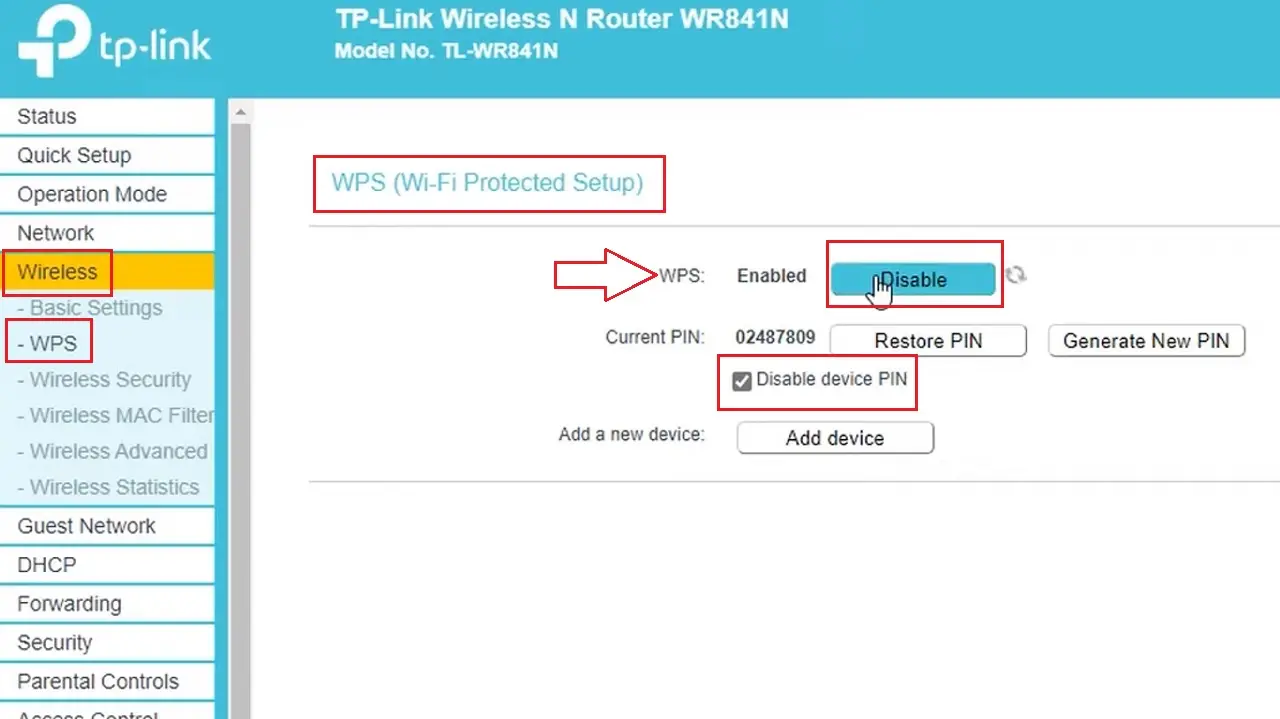
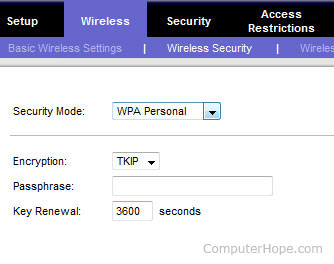
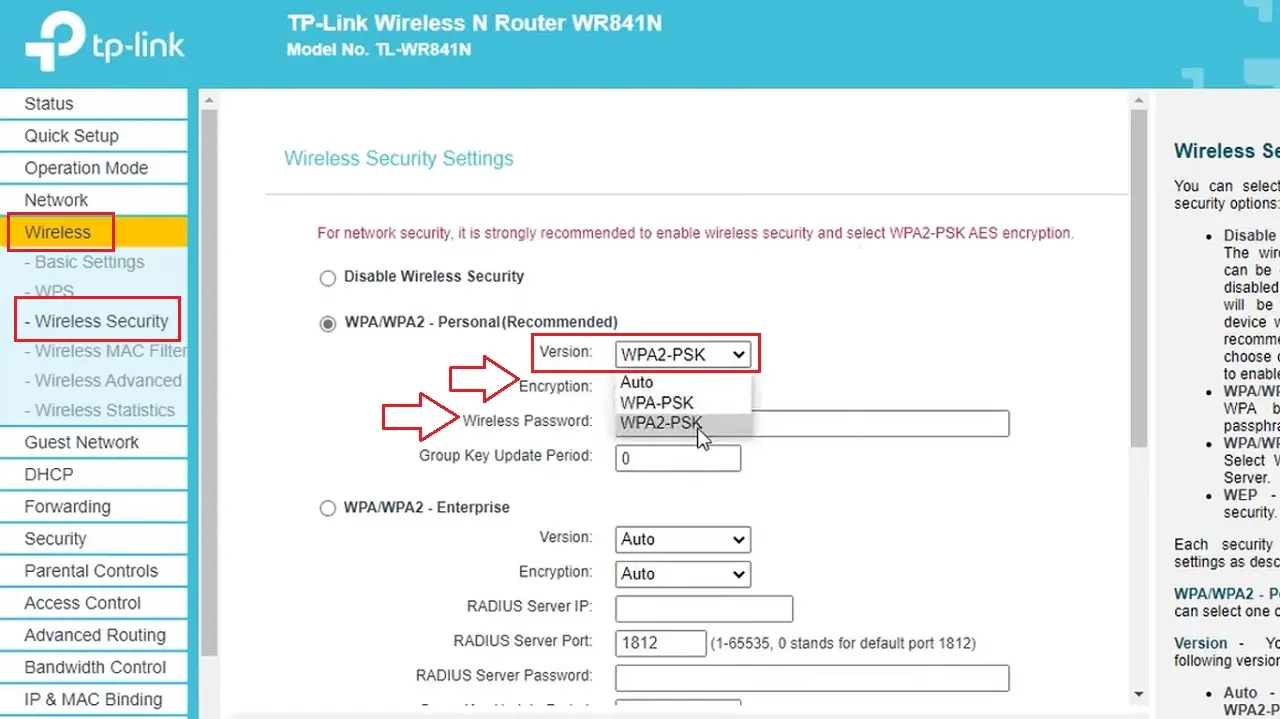
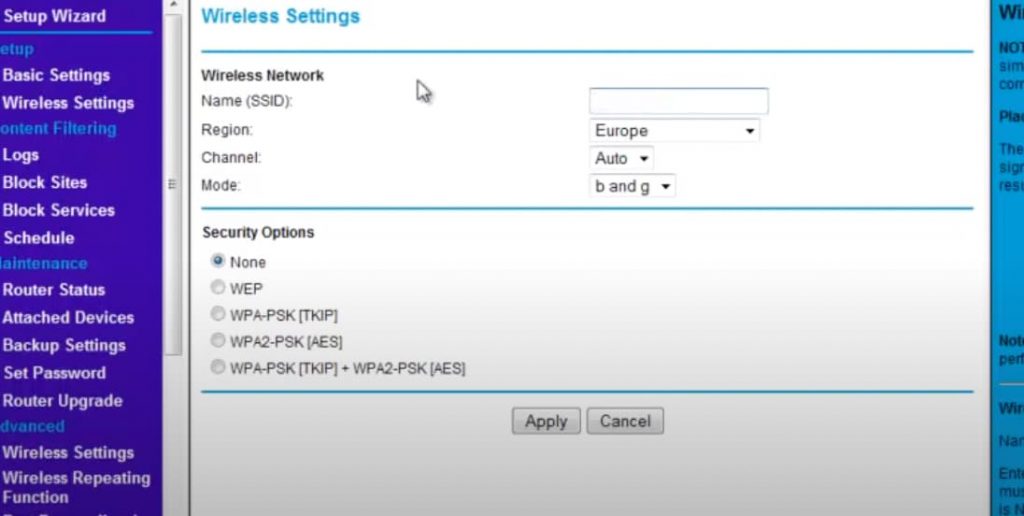
Choose a strong encryption protocol, such as WPA3, to protect your wireless devices from unauthorized access. Disable WPS (Wi-Fi Protected Setup) to prevent hackers from exploiting its weak security.
Limit Administrative Access
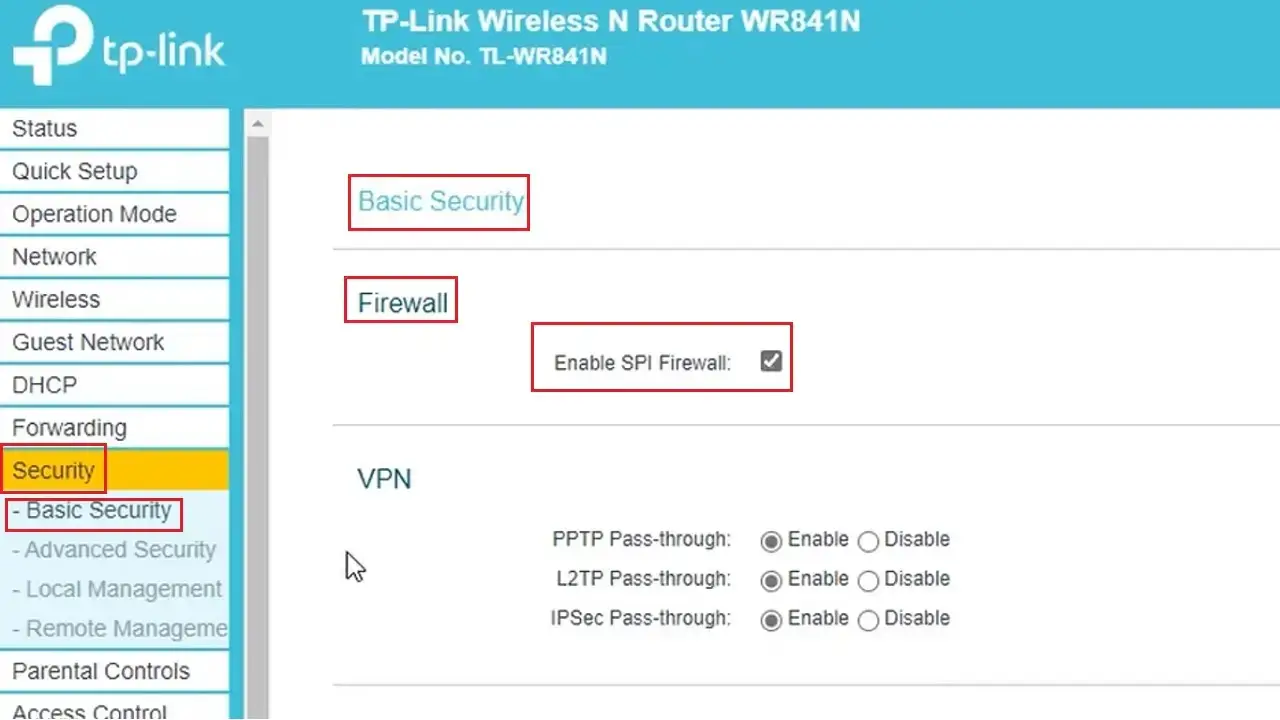
Constrain administrative access by limiting the devices that can connect to your router's web interface. If you're not using a specific device, restrict access to prevent unauthorized changes to your router's settings.
Monitor Your Network
Regularly check your network's performance and identify any suspicious activity. Use tools like network scanning or monitor software to track network traffic and block unknown devices or patterns.
Staying Up-to-Date with Home Router Security
The security landscape is constantly evolving, and new threats emerge daily. Stay informed about the latest security threats and advisories to ensure your router and network remain secure. Use reputable sources and online resources to stay up-to-date with the latest vulnerabilities and best practices for managing your home network.
:max_bytes(150000):strip_icc()/what-is-a-network-security-key-and-how-do-you-find-it-4589025-2-5c885f1346e0fb0001431a62-3f0e8da71c7740c5a03df17aede9a4b1.jpg "192.168.1.1 Login - Access Your Router Admin Page")