Mastering Home Wi-Fi Network Setup: A Comprehensive Guide
In today's digital age, a reliable and secure home Wi-Fi network is a necessity for every household. With the increasing number of devices connected to the internet, ensuring a seamless and lag-free online experience is crucial. In this article, we will delve into the world of home Wi-Fi network setup, covering the essential steps, tips, and best practices to help you set up a robust and efficient network.
Understanding the Basics of Home Wi-Fi Network Setup
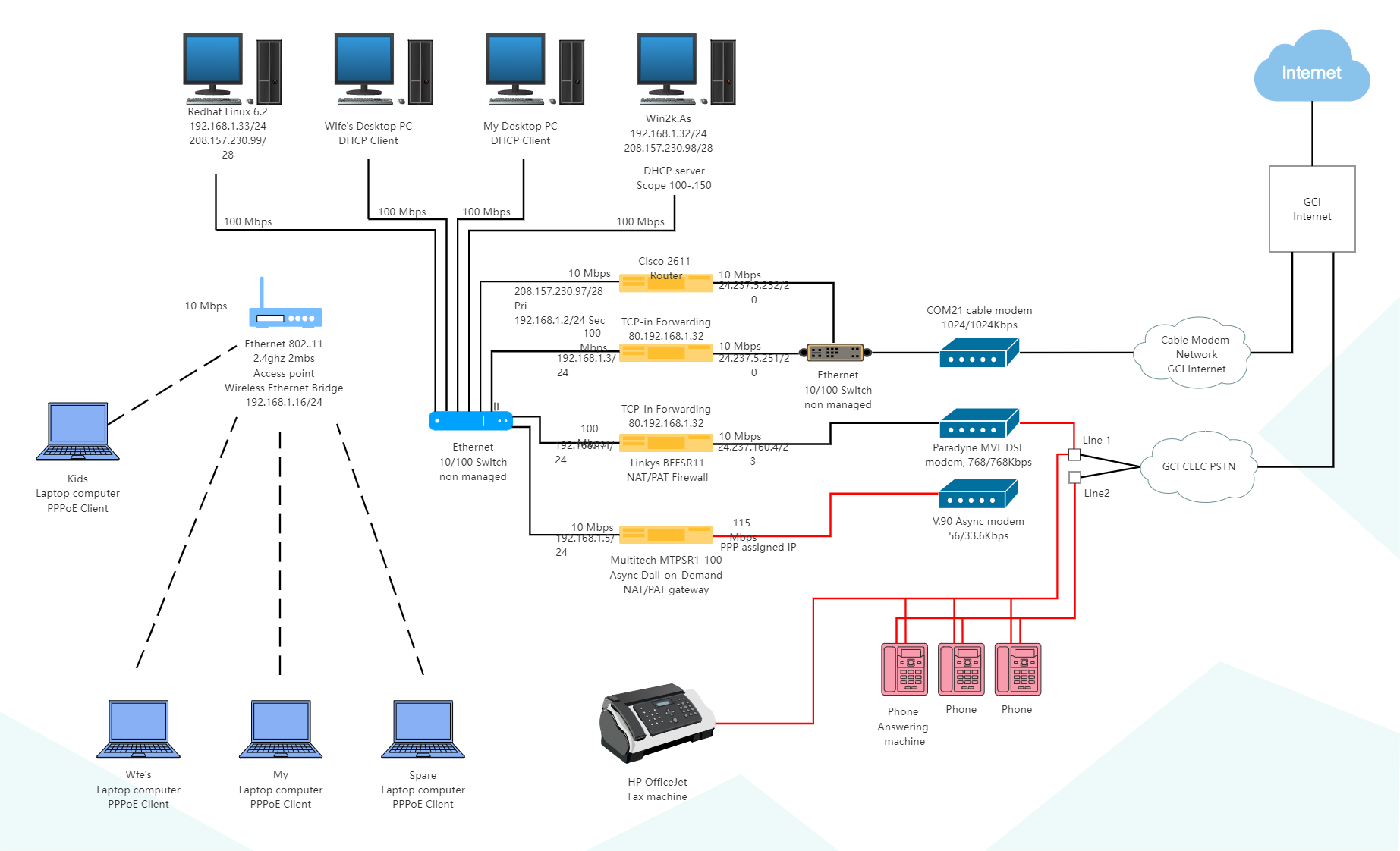
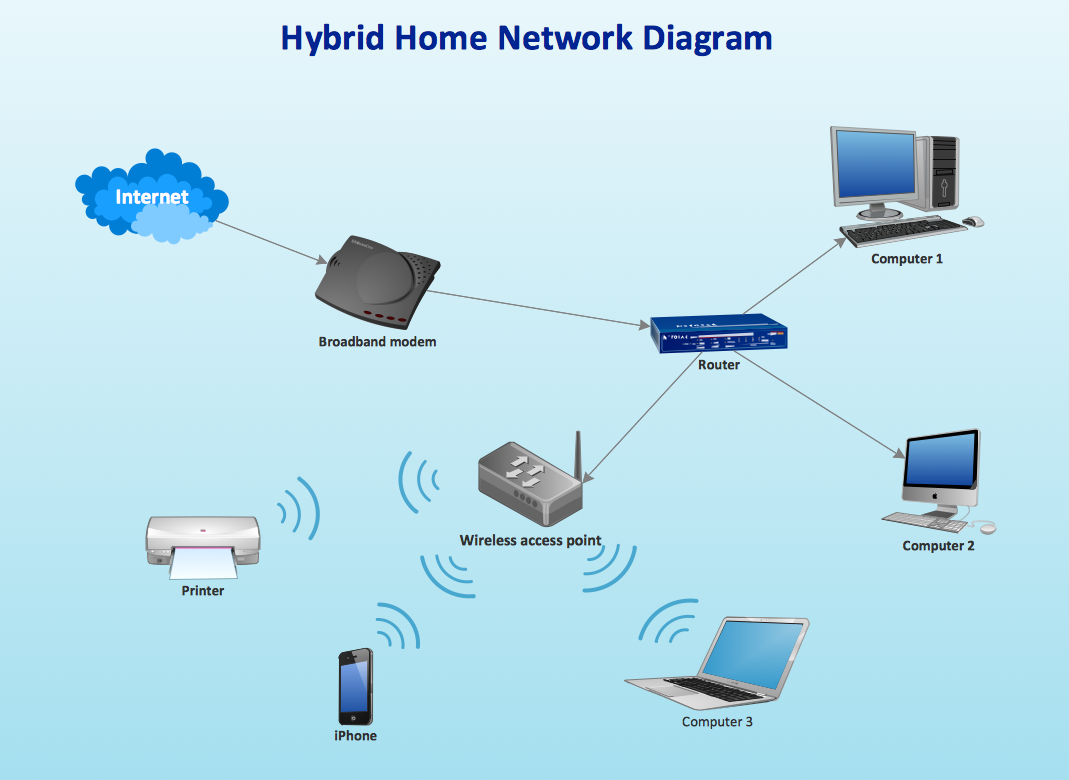
Before we dive into the nitty-gritty of home Wi-Fi network setup, let's first understand the basics. A home Wi-Fi network is a wireless local area network (WLAN) that connects your devices to the internet. The setup involves connecting your modem and router, configuring security settings, and optimizing your network for peak performance.
Choosing the Right Equipment
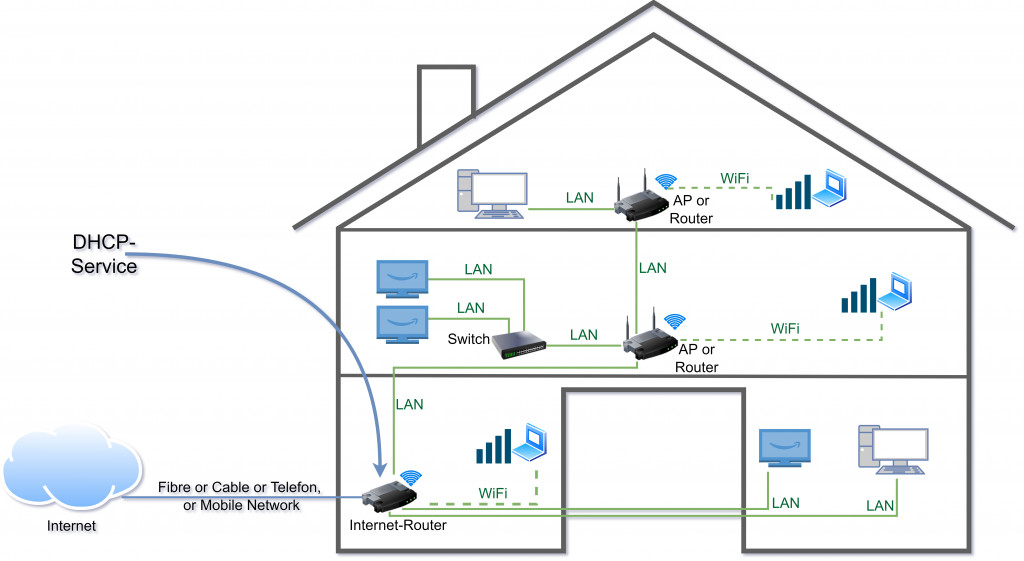
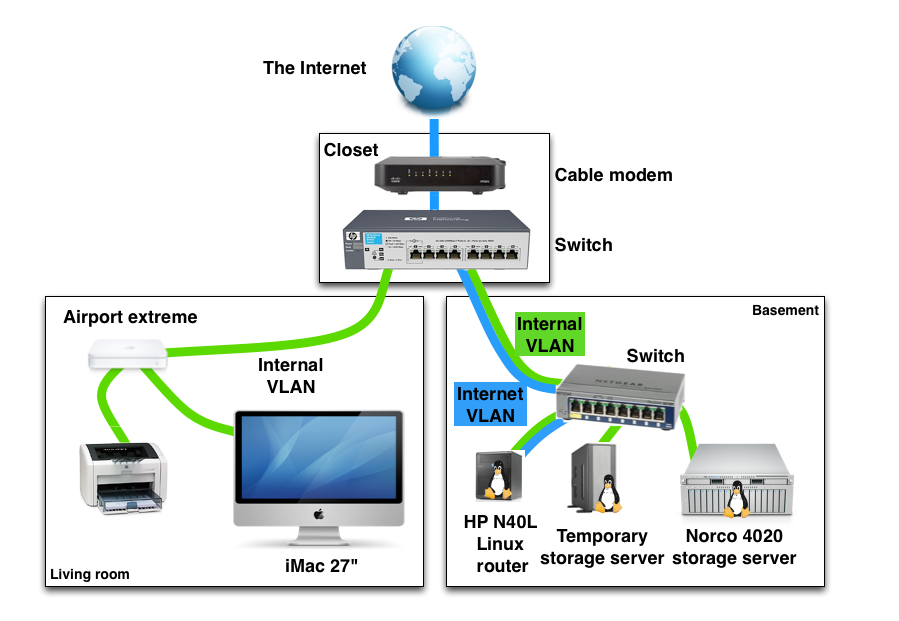
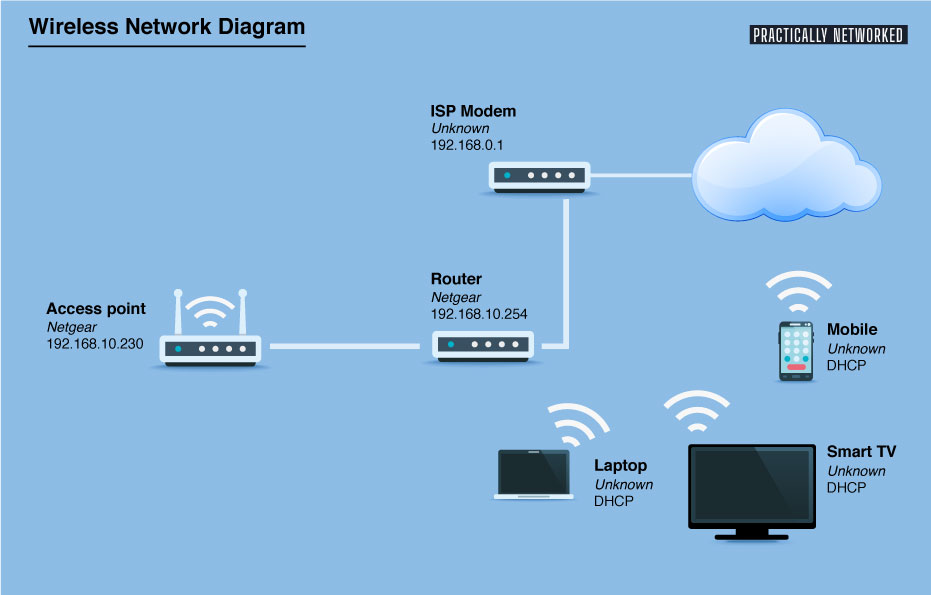
The first step in setting up your home Wi-Fi network is to choose the right equipment. You will need a modem, a router, and possibly a Wi-Fi range extender or mesh system. The modem connects to your internet service provider (ISP), while the router distributes the internet connection to your devices. When selecting a router, look for one that supports the latest Wi-Fi standards (Wi-Fi 6 or Wi-Fi 7) and offers built-in security features.
- Modem: connects to your ISP and provides internet connectivity
- Router: distributes the internet connection to your devices
- Wi-Fi range extender or mesh system: expands your network coverage and reduces dead spots
Setting Up Your Network
Once you have your equipment, it's time to set up your network. The process involves:
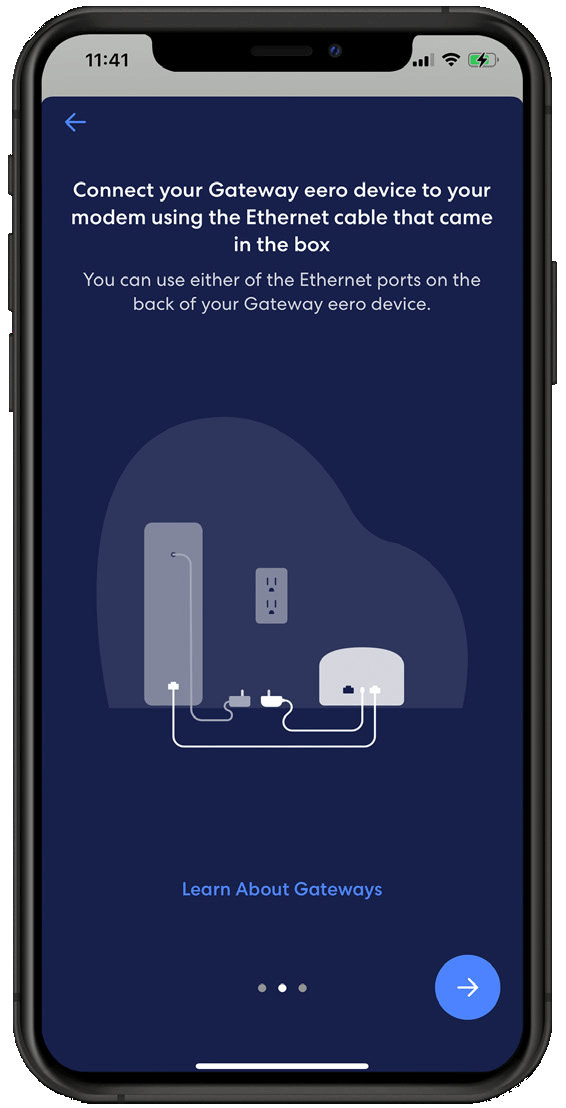
- Configuring your router: connect your router to your modem, set up your Wi-Fi network name (SSID), and secure your network with a strong password
- Optimizing your network: adjust your router's settings to optimize your network performance, including channel width, channel selection, and Quality of Service (QoS)
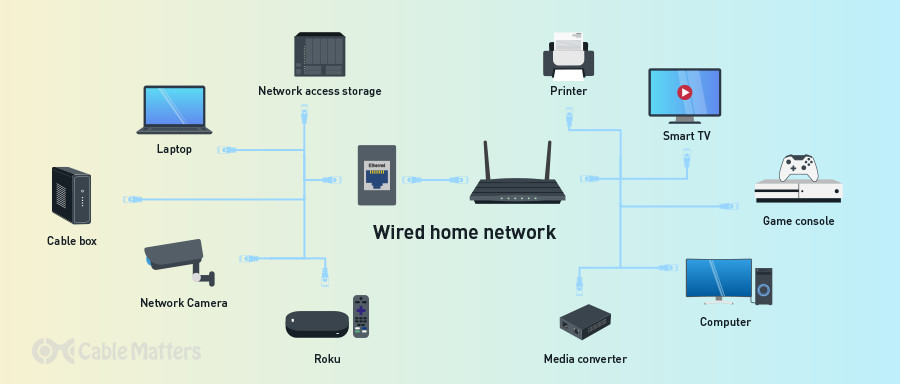
- Connecting your devices: connect your devices (computers, smartphones, smart home devices) to your network using the Wi-Fi password
Securing Your Network
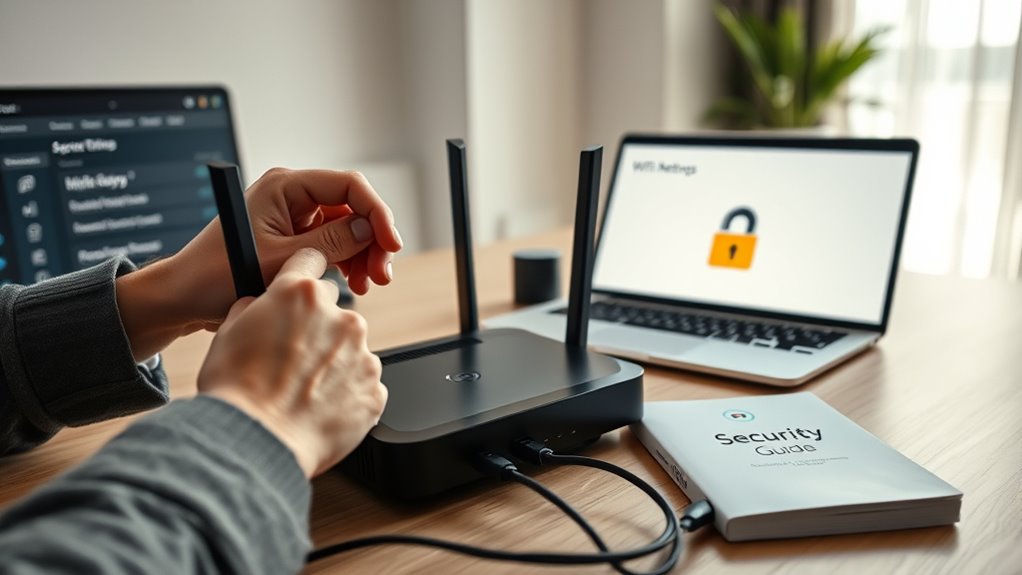
Securing your network is crucial to preventing unauthorized access and protecting your devices. Use a strong and unique password for your router, and enable:
- WPA2 or WPA3 encryption: to encrypt your network traffic
- MAC address filtering: to restrict access to specific devices
- Guest network: to isolate your guests' devices and prevent them from accessing your main network
Advanced Home Wi-Fi Network Setup Tips
To take your home Wi-Fi network setup to the next level, consider the following advanced tips:
Mesh Networking
Mesh networking is a technology that uses multiple access points to create a network of connected nodes. This setup provides superior coverage and reduces dead spots. Consider using a mesh system or Wi-Fi range extender to expand your network coverage.
Quality of Service (QoS)
QoS is a feature that allows you to prioritize traffic on your network. This is useful for applications that require low-latency connectivity, such as online gaming or video conferencing.
Smart Home Devices
Smart home devices, such as thermostats, security cameras, and doorbells, require a stable and secure connection to function properly. Ensure that your home Wi-Fi network setup meets the requirements of your smart home devices.
Conclusion
Setting up a home Wi-Fi network requires careful planning and consideration of your network requirements. By choosing the right equipment, optimizing your network, and securing your connection, you can enjoy a seamless and lag-free online experience. Remember to stay ahead of the game by implementing advanced tips, such as mesh networking and Quality of Service, to take your home Wi-Fi network setup to the next level.
Furthermore, consider investing in a reliable and secure Wi-Fi router that meets the latest Wi-Fi standards (Wi-Fi 6 or Wi-Fi 7). Some of the top-rated Wi-Fi routers include the TP-Link Archer BE900, the eero Max 7, and the NETGEAR AC750 WiFi Router.