Facebook Profile Security Steps: A Comprehensive Guide
As one of the most widely used social media platforms, Facebook has become a crucial part of our online lives. With billions of users worldwide, Facebook has also become a prime target for hackers and scammers. To protect your account and personal information, it's essential to take Facebook Profile Security Steps seriously. In this article, we'll walk you through the steps to secure your Facebook profile, ensuring you have a safe and secure online experience.
Facebook's Security Features
Facebook offers various security features to help you safeguard your account. These features include login alerts, two-factor authentication, and more. By enabling these features, you can add an extra layer of protection to your account. You can review and update your security settings at any time to ensure your account remains secure.
Two-Factor Authentication
Two-factor authentication is a security feature that requires you to enter a special login code or confirm your login attempt each time someone tries to access your Facebook account from an unrecognized device. This feature adds an extra layer of protection to your account, making it more difficult for hackers to access your information.
Login Alerts
Login alerts are another security feature that informs you whenever someone tries to log into your account from an unrecognized device. This feature helps you stay informed about potential security risks and takes prompt action to protect your account.
Facebook Profile Security Steps
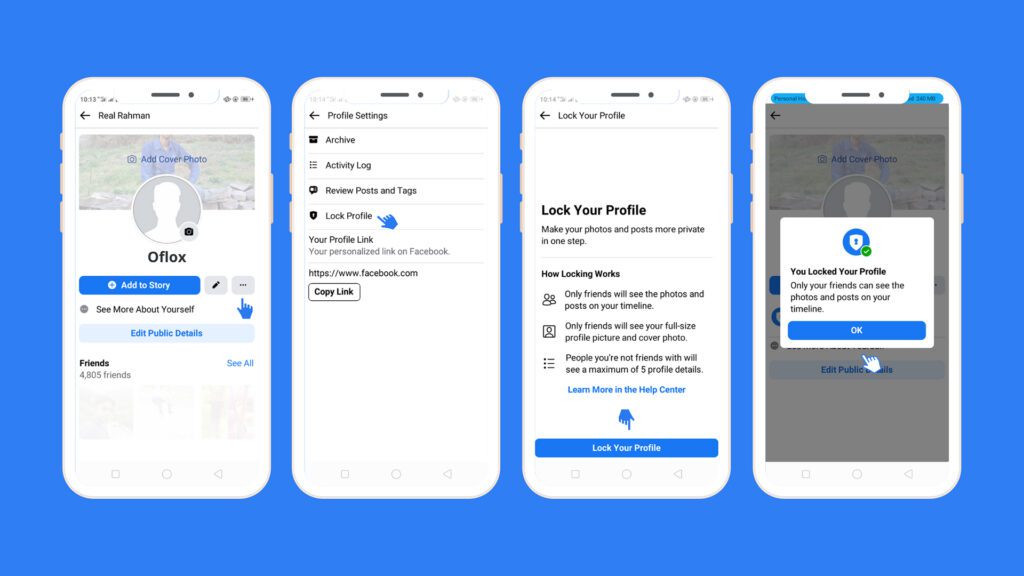
Here are some essential Facebook Profile Security Steps to secure your account:
- Use a Strong Password: Create a unique and complex password for your Facebook account. Avoid using easily guessable information such as your name, birthdate, or common words.
- Enable Two-Factor Authentication: Turn on two-factor authentication to add an extra layer of protection to your account.
- Review and Update Your Security Settings: Regularly review your security settings to ensure your account remains secure. Update your settings as needed to reflect any changes in your online behavior.
- Use Login Alerts: Enable login alerts to stay informed about potential security risks and take prompt action to protect your account.
- Be Cautious with Passwords: Avoid sharing your password with others, and never enter your password on public computers or unsecured networks.
- Monitor Your Account Activity: Regularly review your account activity to detect any suspicious behavior.
- Use a Secure Browser: Use a secure browser and keep your browser and operating system up to date to protect against malware and other security threats.
- Report Suspicious Activity: Report any suspicious activity or fake profiles to Facebook's security team.
Additional Security Tips
In addition to these Facebook Profile Security Steps, here are some additional security tips to help you protect your online presence:
- Use a Secure Email Account: Use a secure email account associated with your Facebook account. Ensure your email account has strong security settings to prevent hacking.
- Be Cautious with Links and Downloads: Avoid clicking on suspicious links or downloading files from unknown sources, as they may contain malware or viruses.
- Keep Your Account Information Up to Date: Regularly review and update your account information to ensure your account remains secure.
- Use a VPN: Consider using a virtual private network (VPN) to encrypt your internet traffic and protect your online activity.
Conclusion
Securing your Facebook profile requires attention to detail and regular monitoring. By following these Facebook Profile Security Steps and additional security tips, you can protect your account and personal information from hackers and scammers. Remember to stay informed about Facebook's security features and updates to ensure your account remains secure. By taking these steps, you can enjoy a safe and secure online experience on Facebook.











/filters:no_upscale()/articles/spring-security-flow-diagrams/en/resources/11figure2-1736844060430.jpg "Request a verified badge on Facebook | Facebook Help Center")