FOMO and its Impact on Leadership: Navigating the Fear of Missing Out in Business
Fear of Missing Out (FOMO) is a phenomenon that affects countless individuals in the workplace, including leaders and entrepreneurs. It can significantly influence decision-making, particularly when it comes to guiding a company toward its exit strategy. Recently, I shared about the impact of FOMO on guiding a company to the exit, and today I'd like to delve deeper into the correlation between FOMO and leadership styles.
Understanding FOMO in Leadership
FOMO is a psychological phenomenon characterized by anxiety or apprehension that an event or opportunity will pass one by. In the context of leadership, FOMO can manifest in various ways, such as a fear of missing out on market trends, a sense of urgency to innovate, or a reluctance to commit to a decision due to fear of missing out on an alternative option.
Impact of FOMO on Leadership Styles
- Decentralized Leadership**: FOMO can lead to a decentralized leadership style, where leaders empower their teams to make decisions, but also risk losing control of the organization.
- Adaptive Leadership**: In contrast, FOMO can prompt leaders to adopt an adaptive leadership style, which involves being open to change and embracing uncertainty.
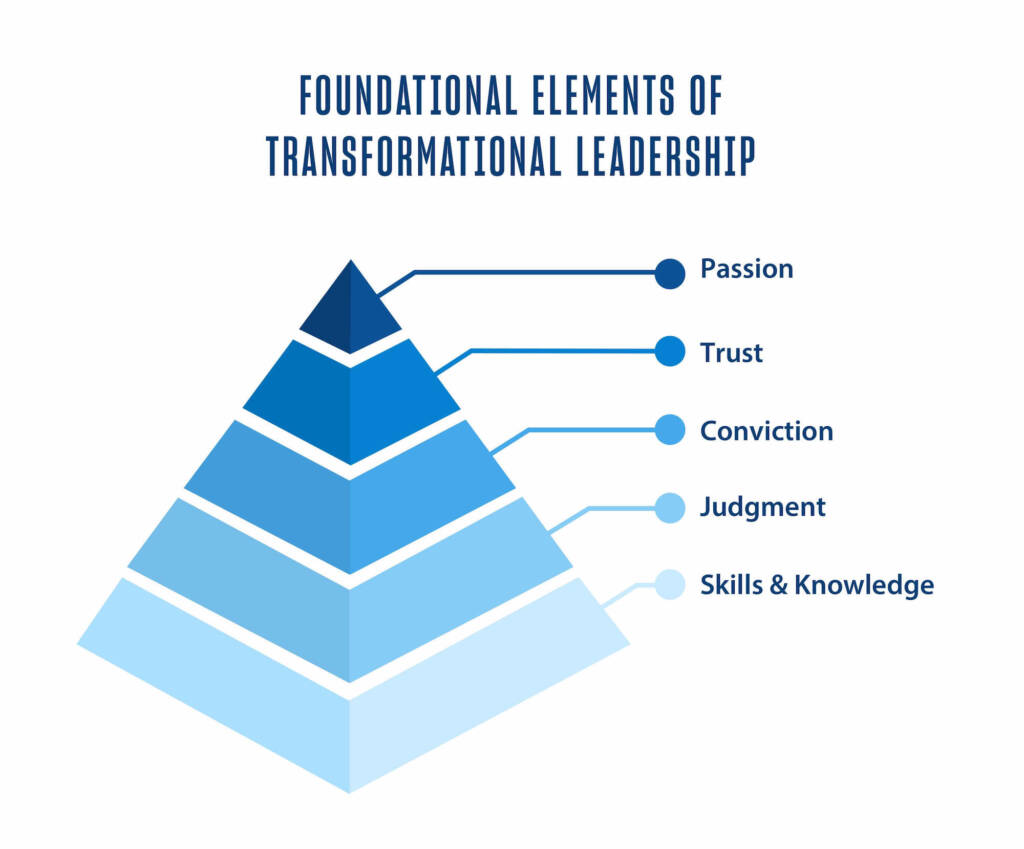
- Transformational Leadership**: FOMO can also shape transformational leaders, who focus on inspiring and empowering their teams, while also navigating the organization through times of uncertainty.
The Role of FOMO in Decision-Making
Research has shown that FOMO can have a significant impact on decision-making, particularly when it comes to high-stakes decisions. Leaders who experience FOMO may be more likely to make impulsive decisions, rather than taking the time to weigh the pros and cons of a particular option.
Coping Strategies for Leaders
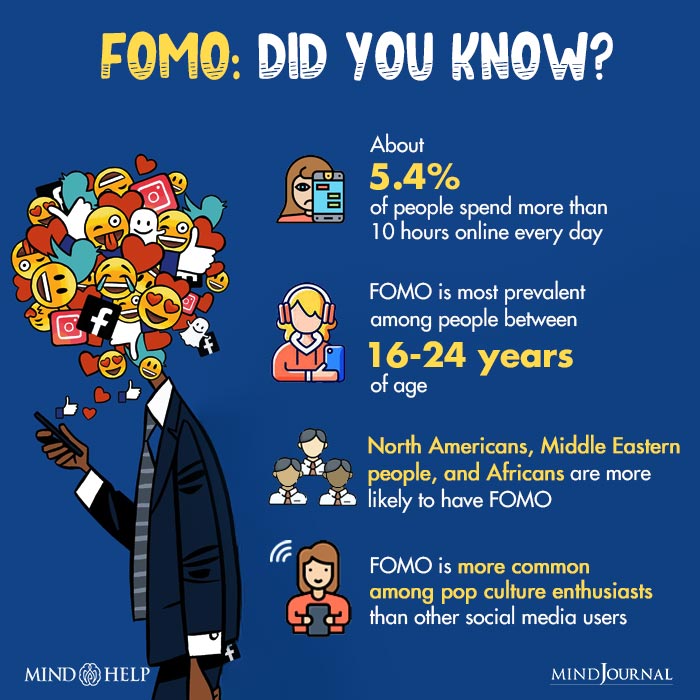
Given the impact of FOMO on leadership styles and decision-making, it's essential for leaders to develop coping strategies to manage their FOMO. Some effective strategies include:
- Mindfulness**: Practicing mindfulness can help leaders become more aware of their FOMO triggers and develop a greater sense of detachment from their emotions.
- Reflective Practice**: Regularly taking time to reflect on their FOMO experiences can help leaders identify patterns and develop more effective coping strategies.
- Team Engagement**: Building strong relationships with their team members can help leaders stay focused on their goals and priorities, rather than getting caught up in FOMO-driven anxiety.
Conclusion
FOMO is a complex phenomenon that can have a significant impact on leadership styles and decision-making. By understanding the role of FOMO in leadership, leaders can develop effective coping strategies to manage their FOMO and make more informed decisions. Whether you're a CEO, entrepreneur, or simply a leader in your community, recognizing the impact of FOMO on your leadership style is a crucial step toward achieving success and navigating the challenges of the modern business landscape.
References:
Author's Note: The references provided are a selection of sources used in the research and writing of this article. For a comprehensive list of sources, please contact the author.
Disclaimer: The views and opinions expressed in this article are those of the author and do not necessarily reflect the views of the publisher or any other organization.
Copyright 2026 [Author's Name]. All rights reserved.
.png "How FOMO Affects Different Leadership Styles - WhiteRock")