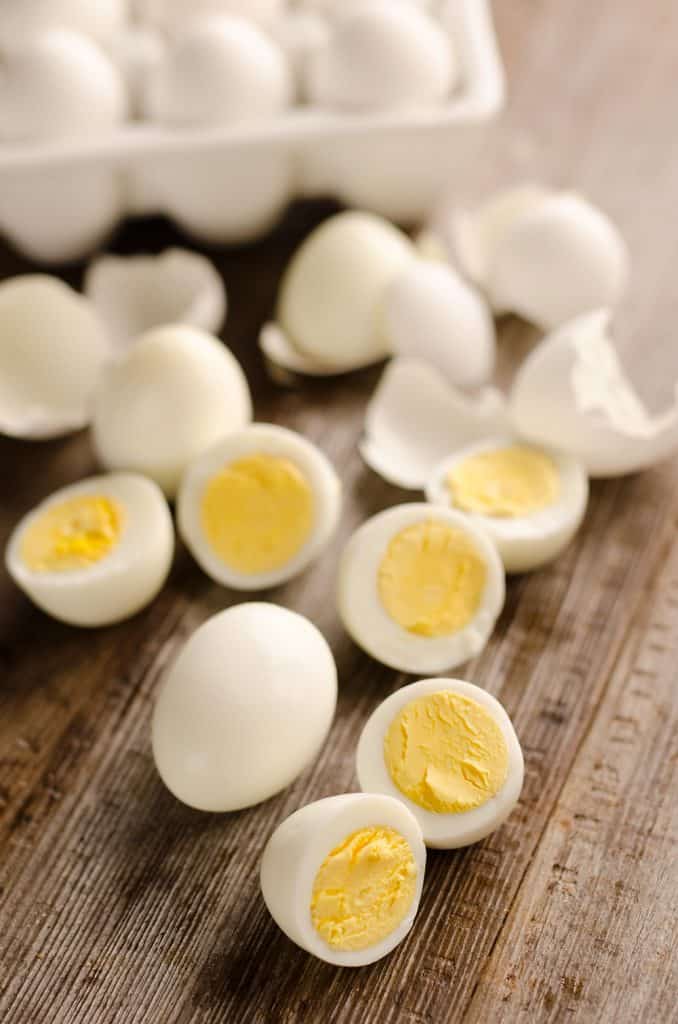
Boiling Eggs in a Pressure Cooker: A Game-Changing Method
Are you tired of struggling with peeling hard-boiled eggs or worrying about overcooking them? Look no further than boiling eggs in a pressure cooker. This method not only makes cooking eggs a breeze but also produces perfectly cooked, easy-to-peel eggs every time. In this article, we'll explore the benefits of boiling eggs in a pressure cooker, provide a simple method for cooking hard-boiled eggs, and offer tips for achieving flawless results.Why Boil Eggs in a Pressure Cooker?
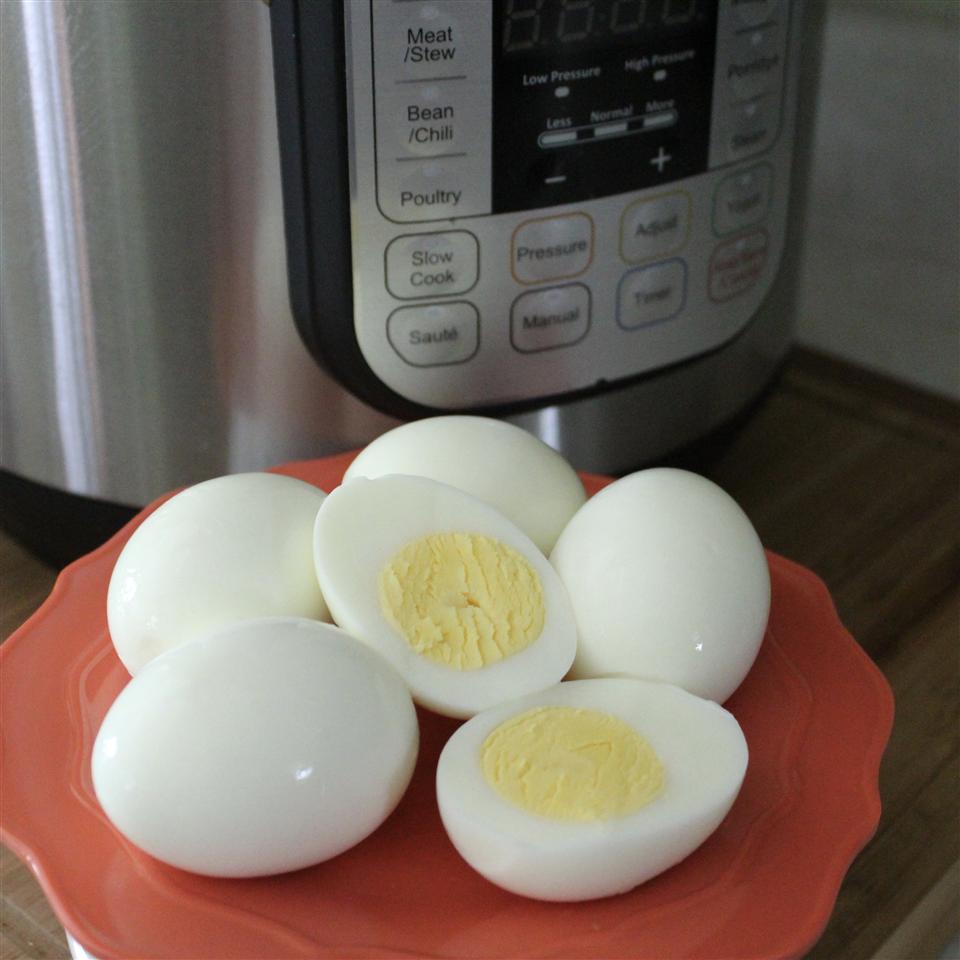
Boiling eggs in a pressure cooker is a quick and efficient way to cook eggs. Unlike traditional boiling methods, which can take up to 12-15 minutes to cook eggs, pressure cooking reduces cooking time to just 5 minutes. This method also ensures even cooking, resulting in eggs that are cooked to perfection and easy to peel.Simple Method for Cooking Hard-Boiled Eggs in a Pressure Cooker
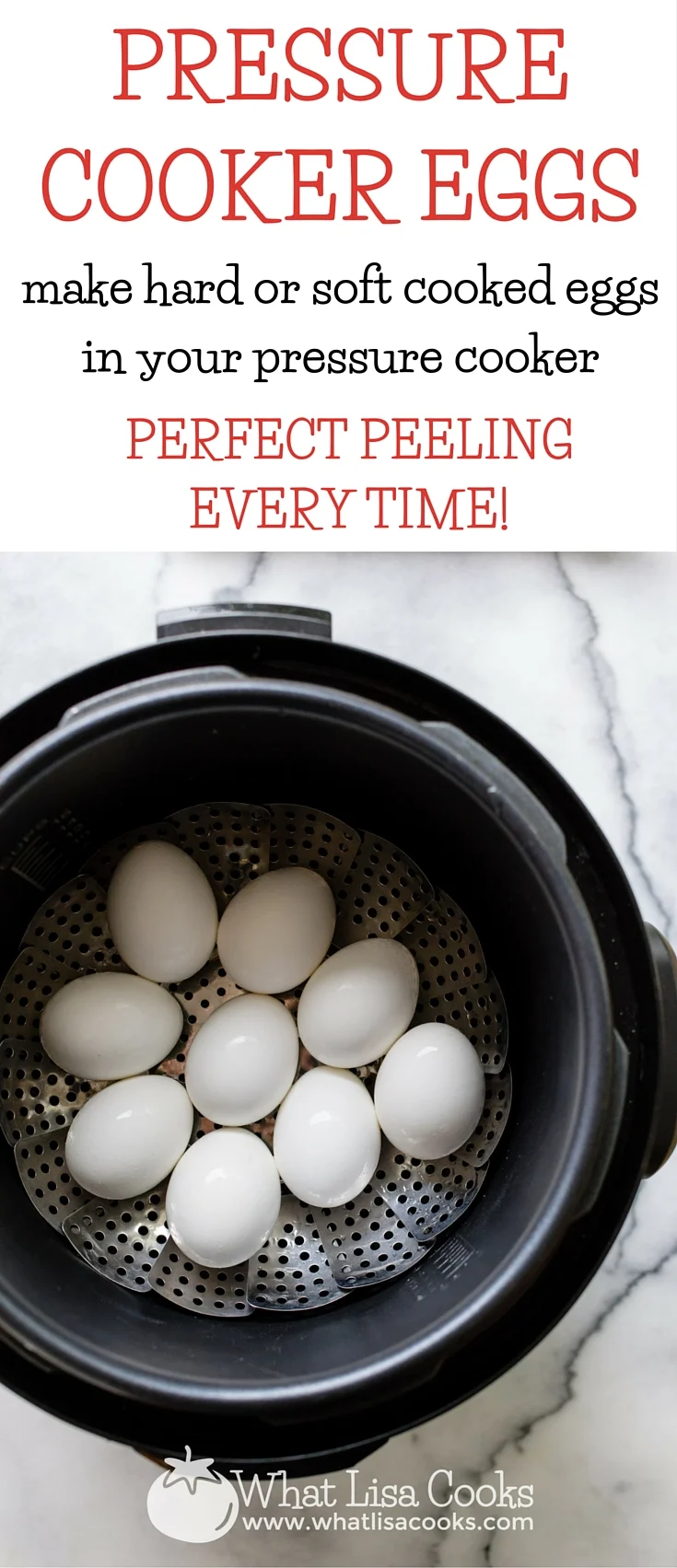
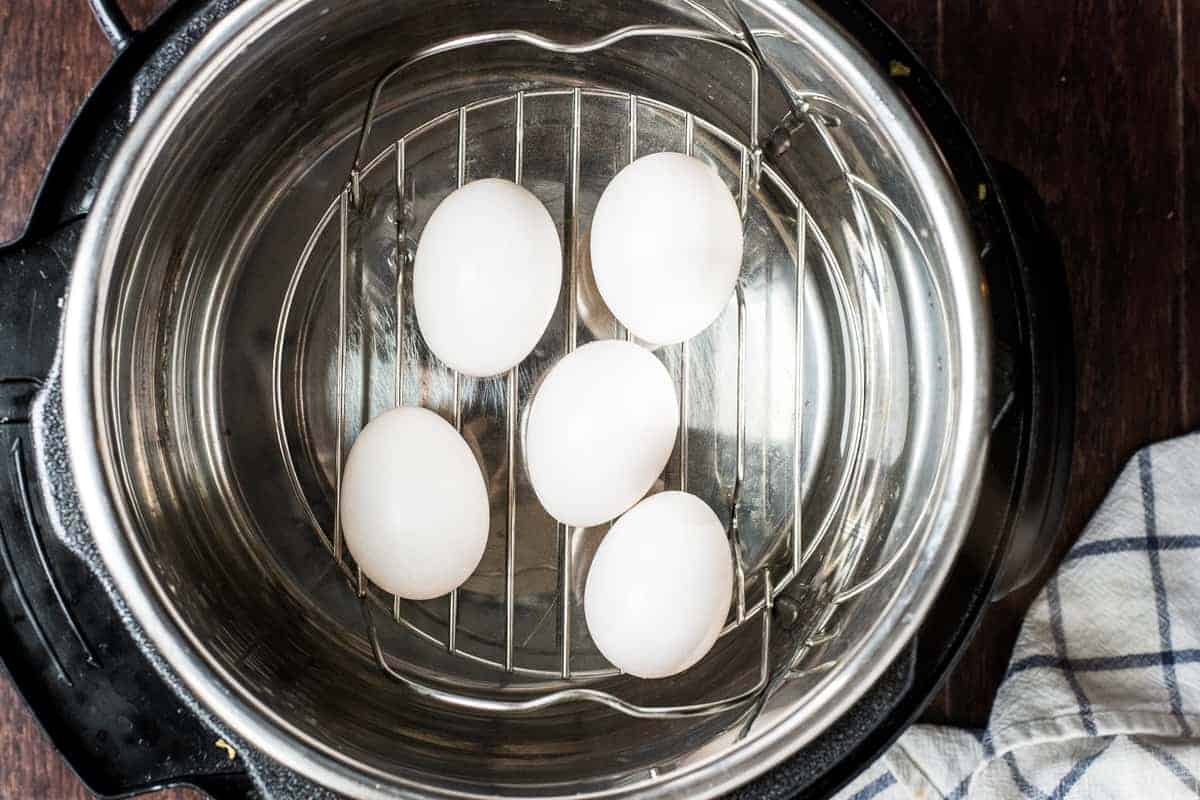
To cook hard-boiled eggs in a pressure cooker, follow these simple steps:- Place eggs in a steamer basket or a metal egg rack.
- Place the steamer basket or egg rack in the pressure cooker.
- Add 1-2 cups of water to the pressure cooker.
- Close the lid and set the valve to "sealing."
- Cook on high pressure for 5 minutes.
- Let the pressure release naturally for 5 minutes.
- Quick-release any remaining pressure.
- Shock the eggs in an ice bath to stop cooking and help peel easily.
Benefits of Boiling Eggs in a Pressure Cooker

- Fast cooking time: Cooking eggs in a pressure cooker is significantly faster than traditional boiling methods.
- Even cooking: Pressure cooking ensures even cooking, resulting in eggs that are cooked to perfection.
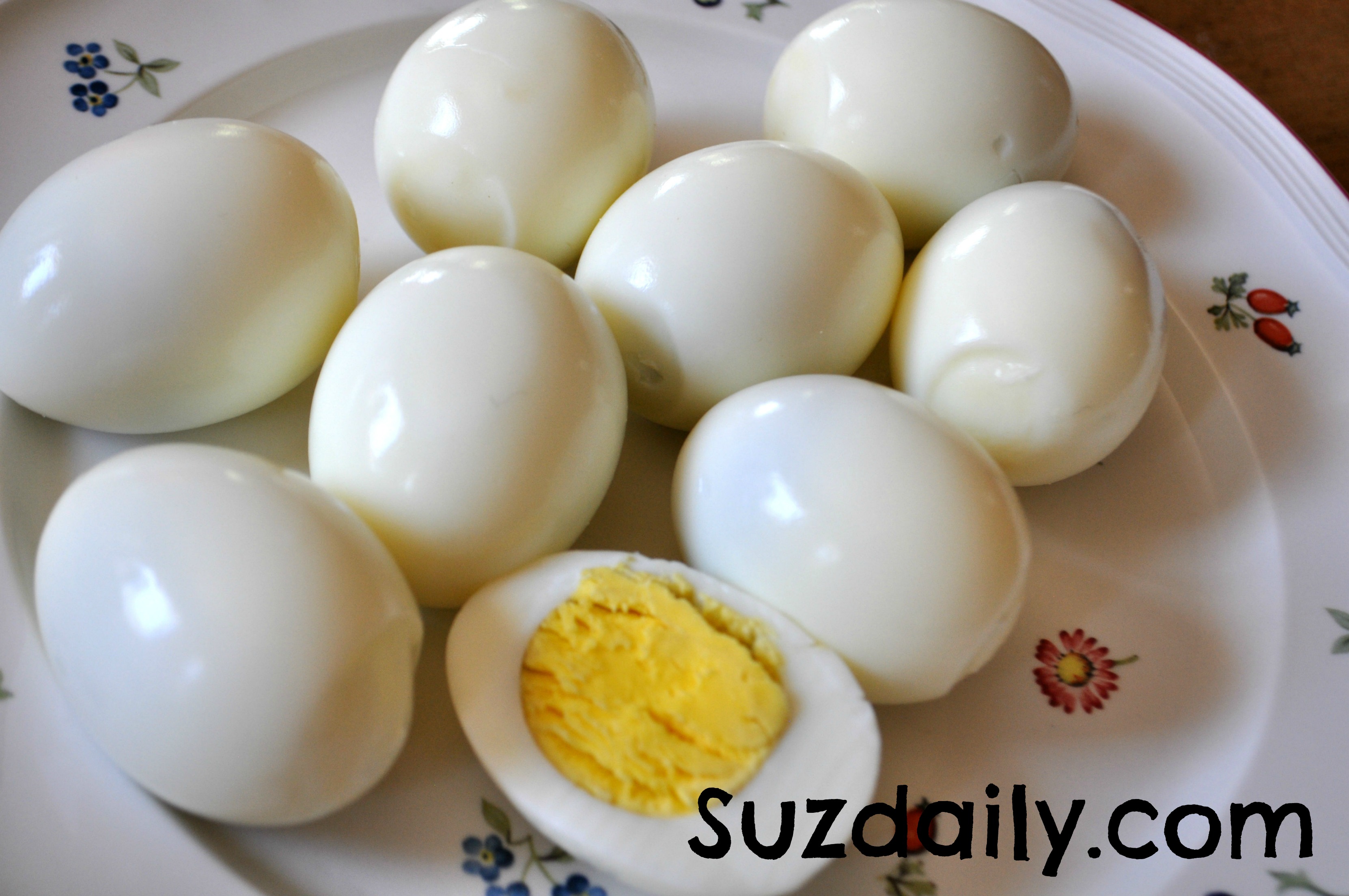
- Easy peeling: Eggs cooked in a pressure cooker are easy to peel, thanks to the low moisture content and gentle cooking process.
- Consistent results: Pressure cooking produces consistent results, making it a great method for cooking eggs for large groups or meal prep.
Tips for Achieving Flawless Results
To achieve flawless results when boiling eggs in a pressure cooker, follow these tips:- Use older eggs: Older eggs are easier to peel than fresh eggs.
- Use the right water ratio: Use the recommended amount of water to ensure even cooking and prevent the eggs from cracking.
- Shock the eggs in an ice bath: Cooling the eggs quickly in an ice bath helps stop cooking and makes them easier to peel.
- Don't overcook: Cook eggs for the recommended time to prevent overcooking and green rings.