Understanding Blue Light Exposure and Light Therapy
Blue light exposure and light therapy have become increasingly popular in recent years, with many people turning to these treatments for a range of health benefits. But what exactly is blue light exposure, and how does it differ from light therapy? In this article, we'll delve into the world of blue light exposure and light therapy, exploring the benefits and risks of these treatments, and examining the science behind them.
What is Blue Light Exposure?
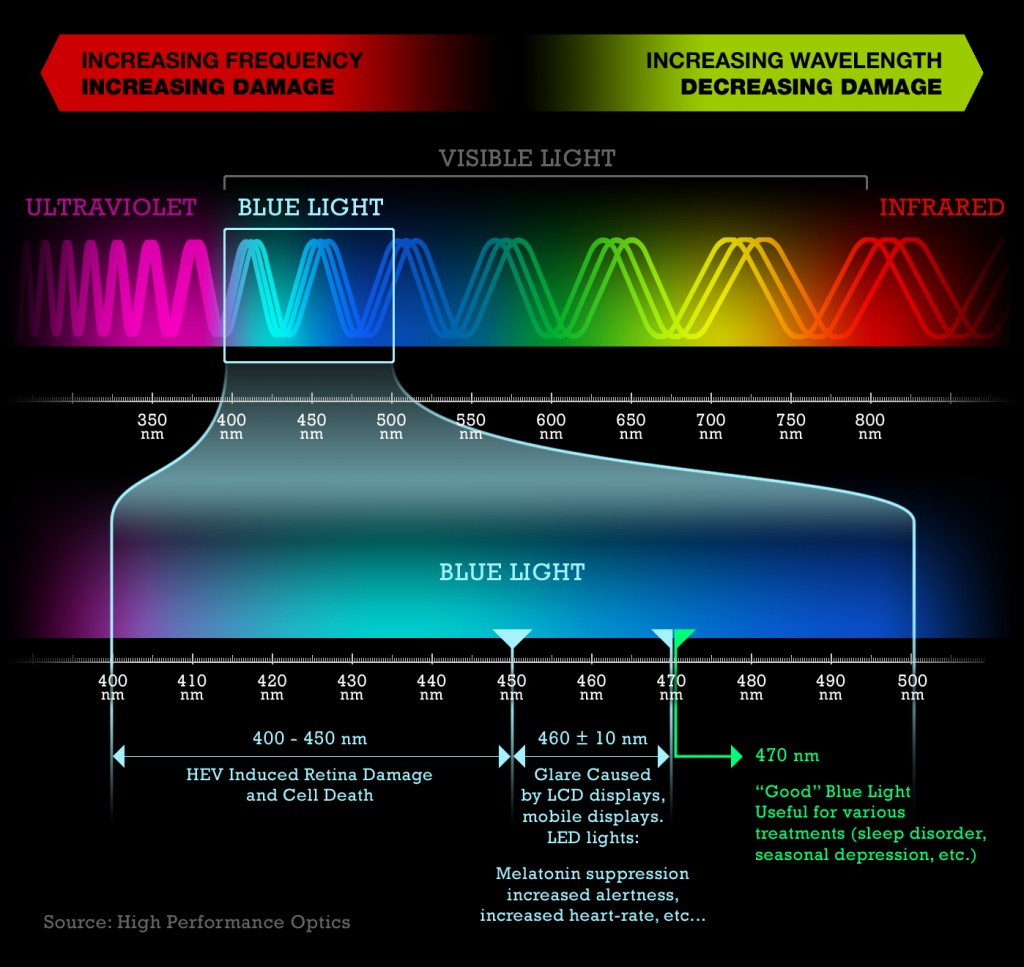
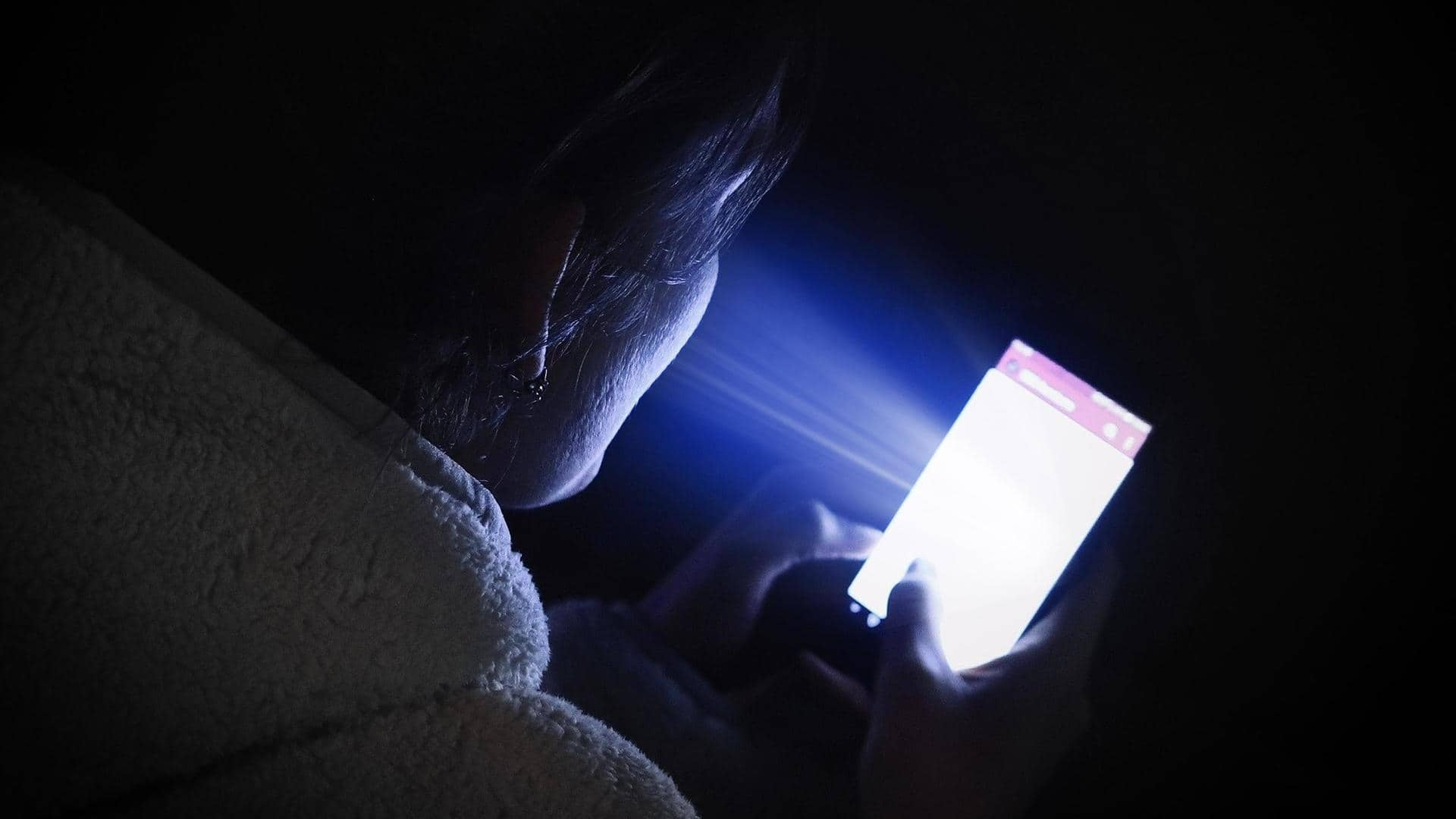
Blue light is a type of high-energy visible (HEV) light that is emitted by digital devices such as smartphones, tablets, and computers, as well as by LED lighting. It has a wavelength of around 400-450 nanometers and is known to have both positive and negative effects on our health.
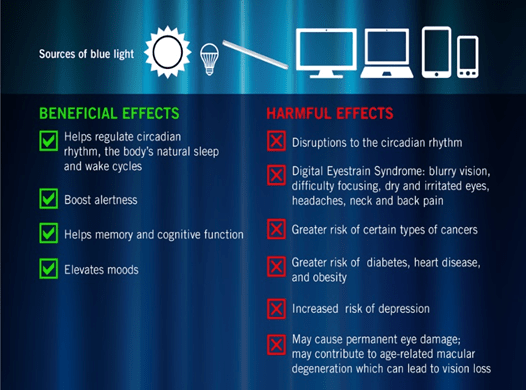
- Positive effects: Blue light exposure has been shown to have a range of positive effects on our health, including improved alertness, better concentration, and enhanced mood.
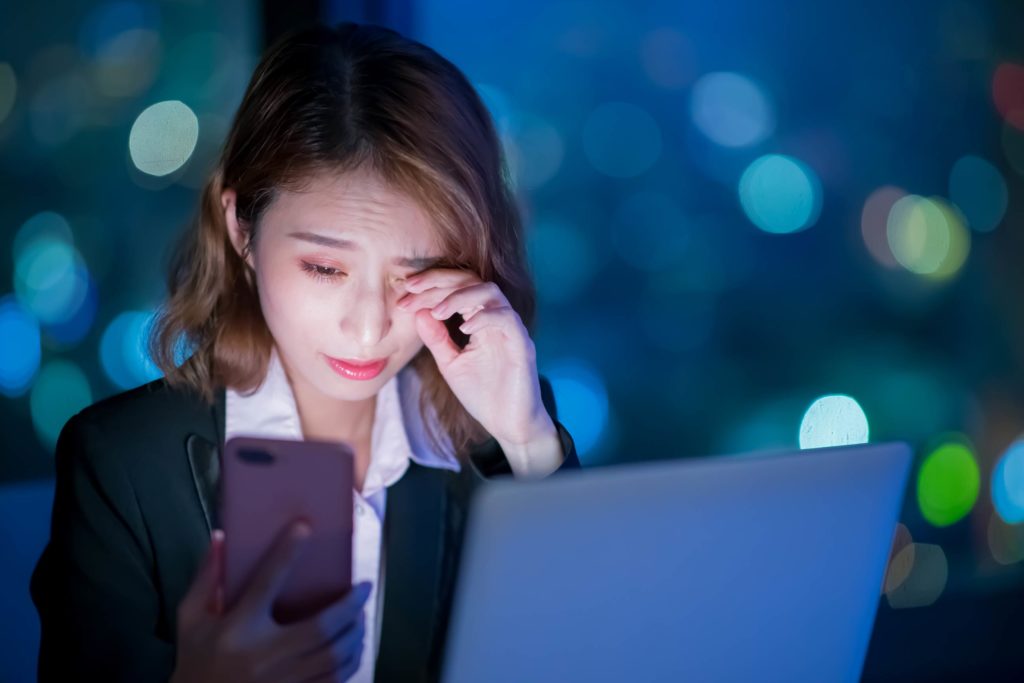
- Negative effects: However, prolonged exposure to blue light has also been linked to a range of negative effects, including eye strain, headaches, and disrupted sleep patterns.
What is Light Therapy?
Light therapy, also known as phototherapy, involves the use of specific wavelengths of light to treat a range of health conditions. It can be used to regulate circadian rhythms, improve mood, and even reduce the symptoms of Seasonal Affective Disorder (SAD).
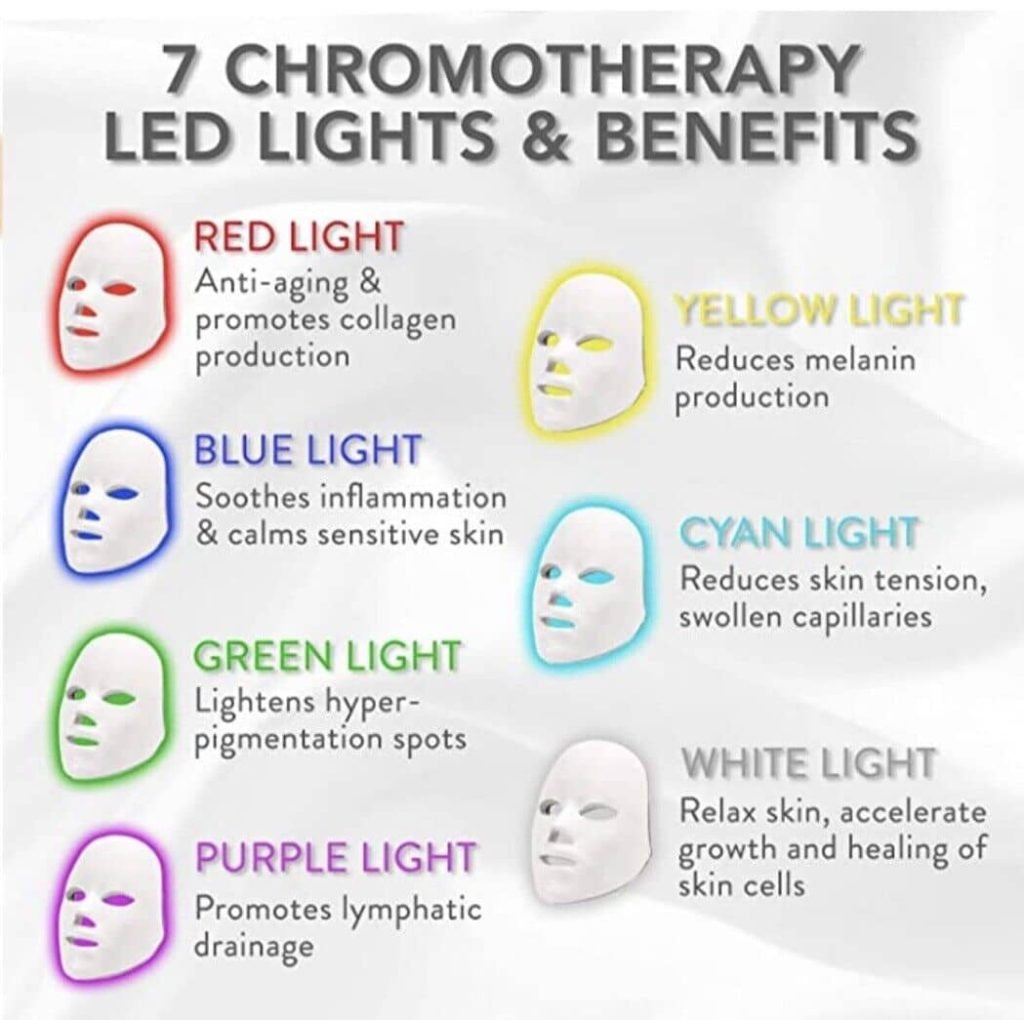
- Types of light therapy: There are several types of light therapy, including bright light therapy, blue light therapy, and red light therapy.
- Benefits of light therapy: Light therapy has been shown to have a range of benefits, including improved mood, increased energy levels, and enhanced cognitive function.
Blue Light Exposure and Light Therapy: What's the Connection?
Blue light exposure and light therapy are closely related, as blue light is often used in light therapy treatments. However, the two are not the same thing. Blue light exposure refers to the amount of blue light that we are exposed to in our daily lives, whereas light therapy involves the deliberate use of blue light to treat a range of health conditions.
The Benefits of Blue Light Therapy

Blue light therapy has been shown to have a range of benefits, including:
- Improved mood: Blue light therapy has been shown to have a positive effect on mood, reducing symptoms of depression and anxiety.
- Enhanced cognitive function: Blue light therapy has been shown to improve cognitive function, including memory and concentration.
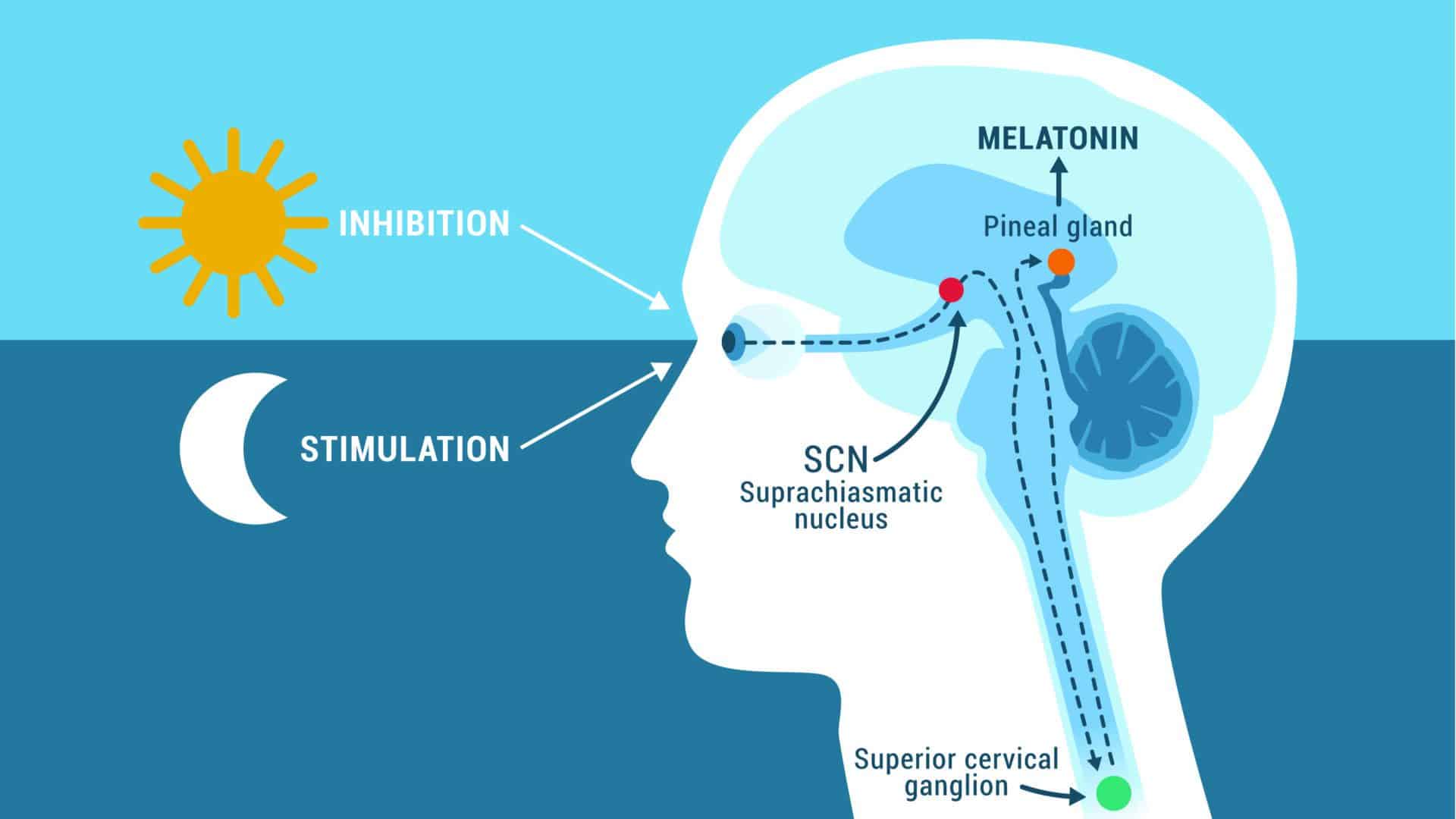
- Regulated circadian rhythms: Blue light therapy can help regulate our internal body clock, improving sleep patterns and overall health.
The Risks of Blue Light Exposure
While blue light exposure has many benefits, it also has a range of risks, including:
- Eye strain: Prolonged exposure to blue light has been linked to eye strain, headaches, and blurred vision.
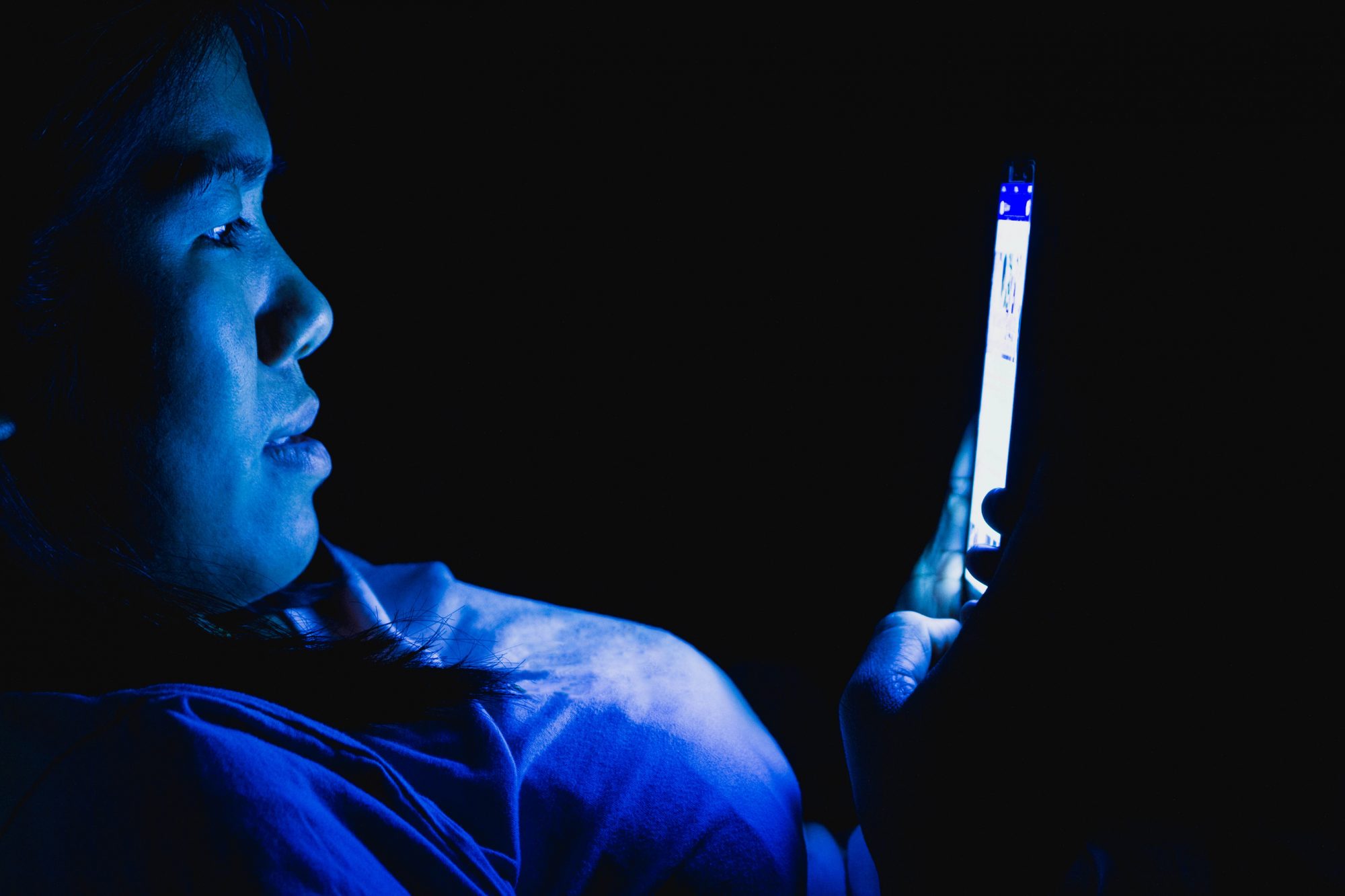
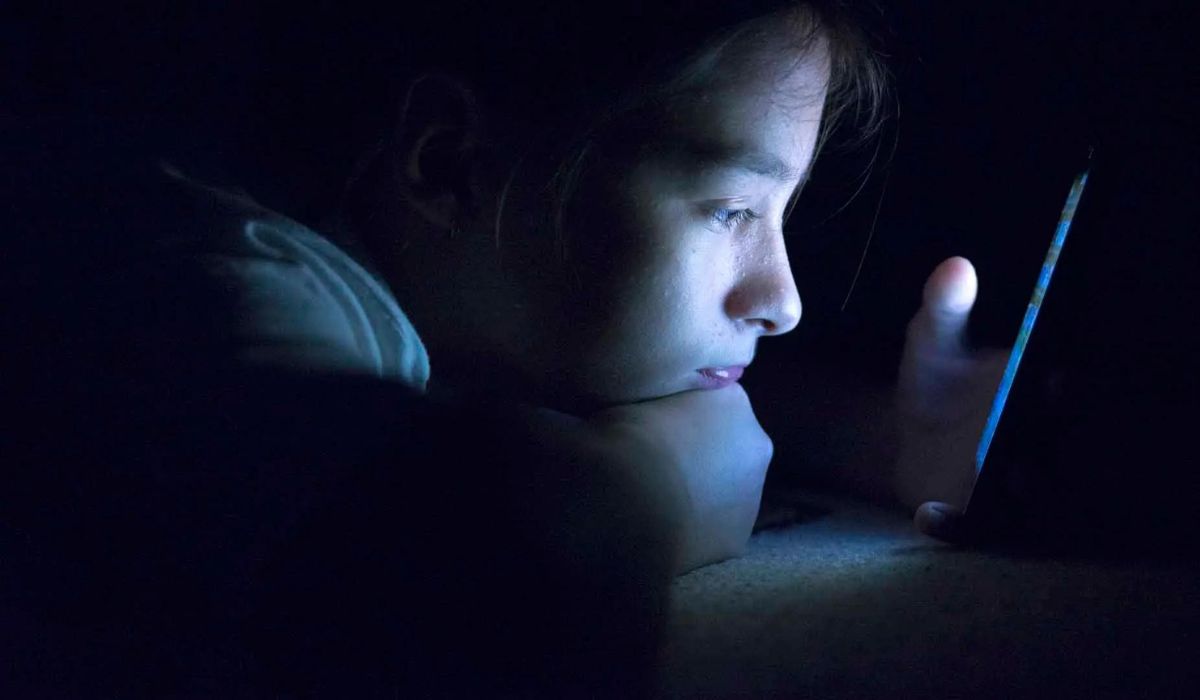
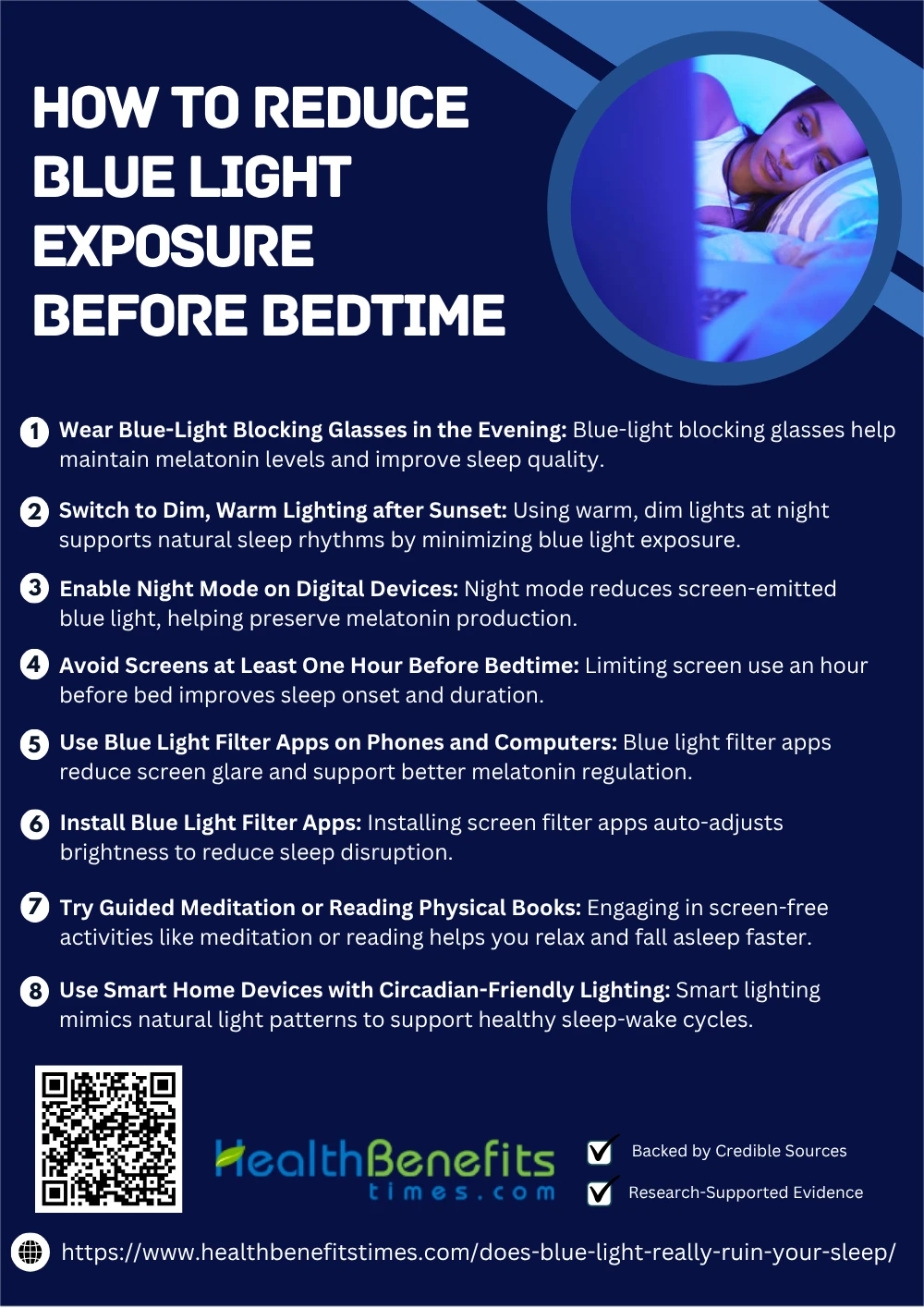
- Disrupted sleep patterns: Exposure to blue light in the evening can disrupt our sleep patterns, leading to fatigue and other health problems.
- Increased risk of macular degeneration: Some studies have suggested that prolonged exposure to blue light may increase the risk of macular degeneration.
Conclusion
In conclusion, blue light exposure and light therapy are complex topics that require a nuanced understanding. While blue light exposure has many benefits, it also has a range of risks. Light therapy, on the other hand, involves the deliberate use of blue light to treat a range of health conditions, and has been shown to have a range of benefits. By understanding the science behind blue light exposure and light therapy, we can make informed decisions about how to use these treatments to improve our health and well-being.
Recommendations
Here are some recommendations for using blue light therapy safely and effectively:
- Use blue light therapy in moderation: Blue light therapy should be used in moderation, with a maximum of 30 minutes per session.
- Choose a device with a warm tone: Devices with a warm tone tend to produce less blue light, making them a safer choice for prolonged use.
- Take breaks: Take regular breaks from blue light exposure to give your eyes a rest.