Understanding the Pains of Task Switching: Why Focus is Essential in Today's Fast-Paced World
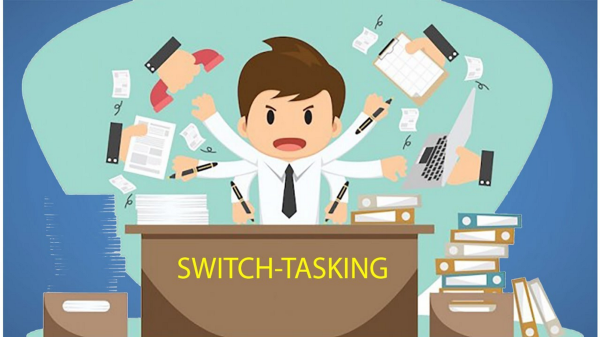
Task switching, a critical cognitive function, allows us to juggle multiple tasks and adapt to changing situations. However, this essential ability comes with a cost. The act of switching between tasks requires a tremendous amount of mental effort, leading to decreased productivity, increased errors, and mental fatigue. In this article, we will delve into the concept of task switching, its impact on our brains, and provide tips on how to master this skill for improved focus, productivity, and efficiency.
What is Task Switching?
Task switching refers to the ability to shift attention from one task to another, allowing us to switch between different mental sets and adjust to changing tasks. This cognitive flexibility is essential in today's fast-paced world where multitasking has become a norm. However, constant switching between tasks can lead to decreased productivity, increased errors, and mental fatigue.
Where Did Task Switching Emerge?
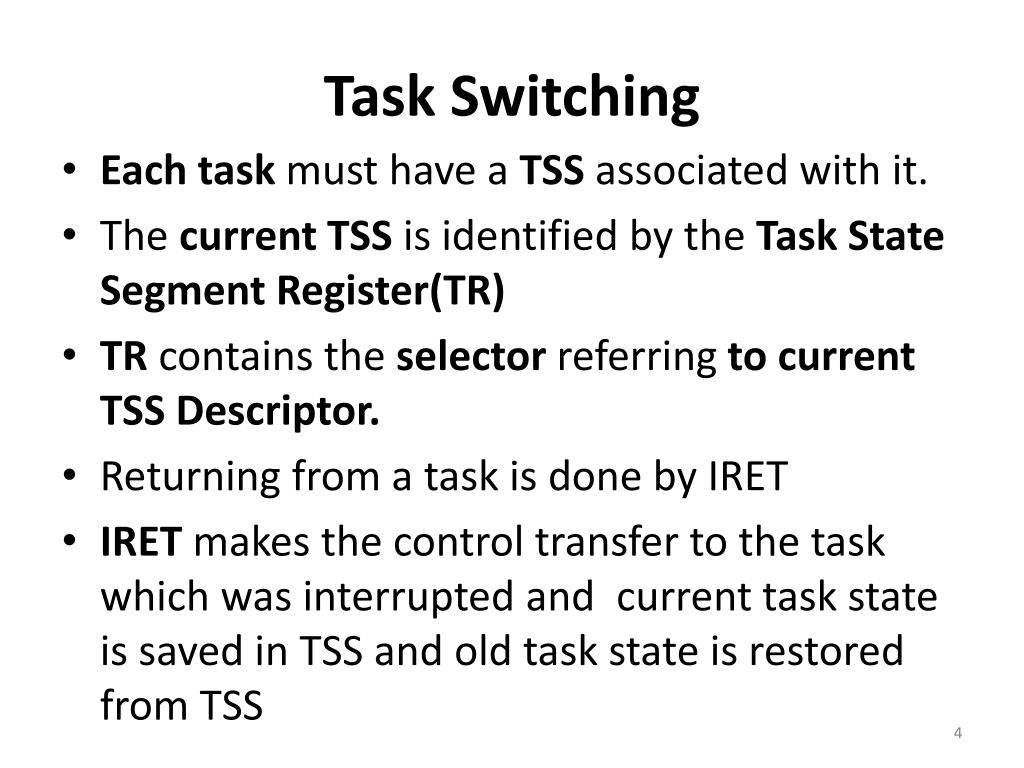
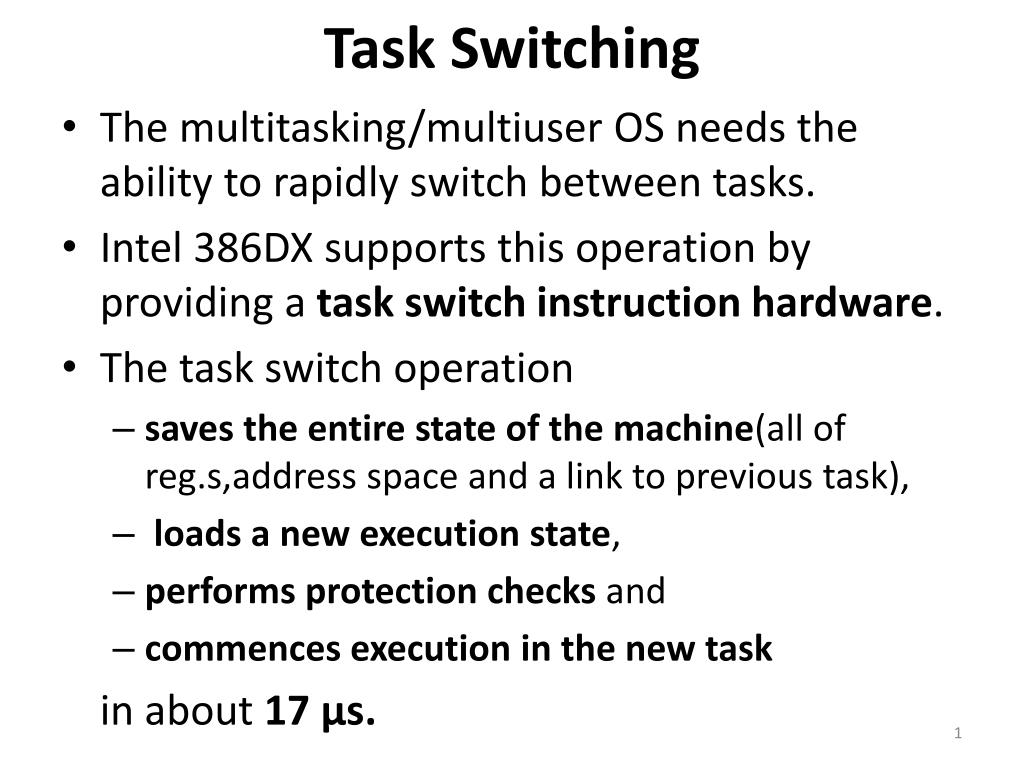
Task switching emerged in the late 1950s as a problem to be solved in the field of computer science. Researchers sought to understand how to manage multiple computer tasks effectively and predictably. The term "task switching" was coined to describe the process of switching between tasks, and since then, it has become a widely used concept in cognitive psychology.
Why Does Task Switching Matter?
Task switching is an essential aspect of our daily lives, and it's not just limited to multitasking. We switch tasks every day, from doing one thing in the morning and another in the afternoon. In the context of multitasking and virtual environments, task switching is the brain's ability to save and restore task states, ensuring smooth transitions between tasks and enhancing overall system performance.
Types of Task Switching
There are two types of task switching: simple task switching and complex task switching. Simple task switching occurs when we switch between two tasks that require minimal critical thinking, such as checking a message while writing an email. Complex task switching, on the other hand, occurs when we switch between tasks that require a higher level of cognitive effort, such as balancing deep research for work and helping a child with homework.
- Simple task switching involves shifting between tasks that require minimal cognitive effort.
- Complex task switching involves shifting between tasks that require significant cognitive effort.
The Hidden Costs of Task Switching
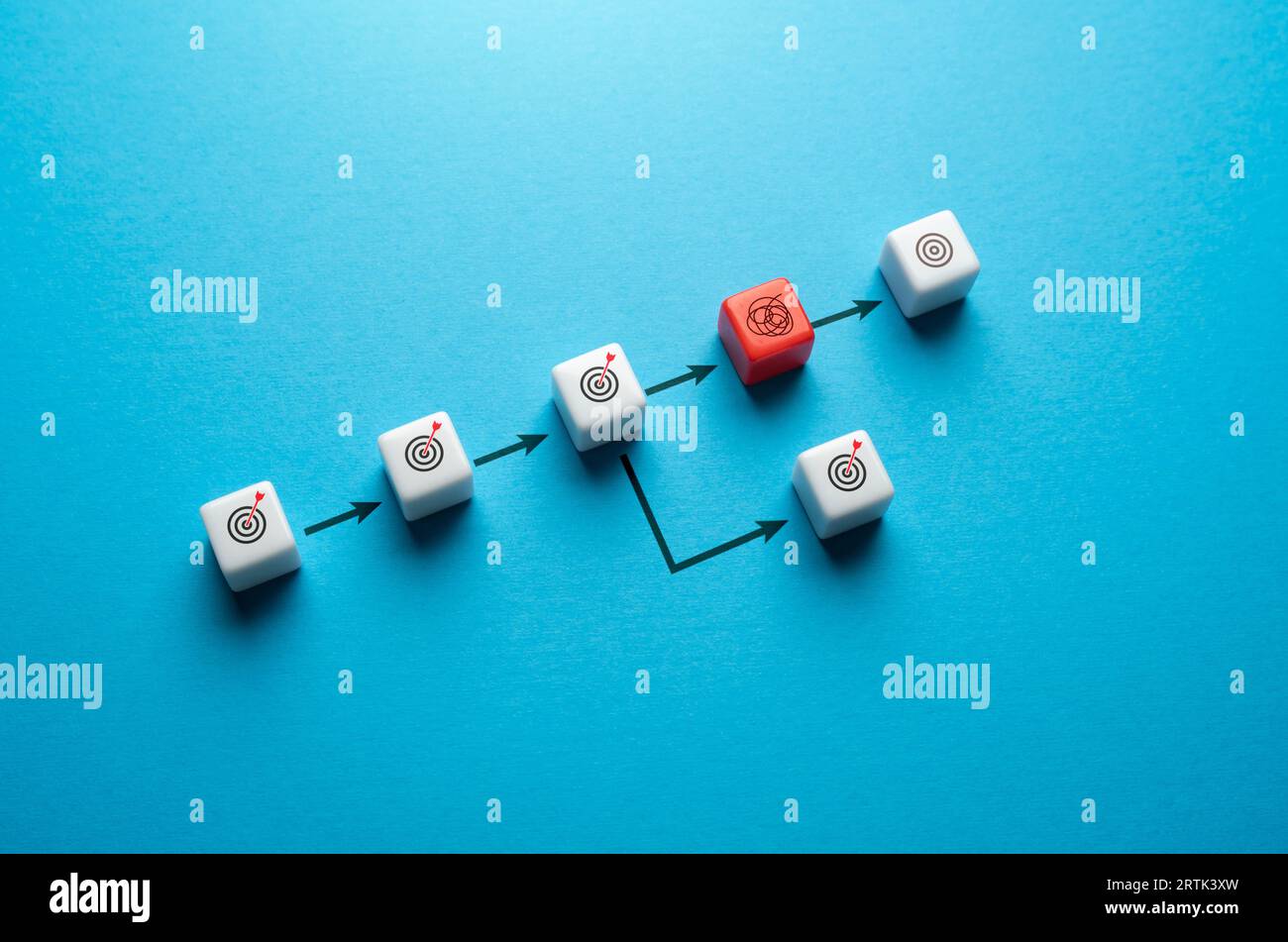
Task switching comes with significant costs, including decreased productivity, increased errors, and mental fatigue. When we switch between tasks, our brains require a "reboot," which can lead to decreased focus and concentration. Research shows that switching between tasks can cost us up to 2 hours of distracted time per switch!
Strategies for Mastering Task Switching
To master task switching, it's essential to understand the hidden costs and benefits. Here are some strategies to improve focus and reduce the negative effects of task switching:
- Use the Pomodoro technique: Work in focused 20-minute blocks, allowing yourself to switch tasks every 2-3 blocks.
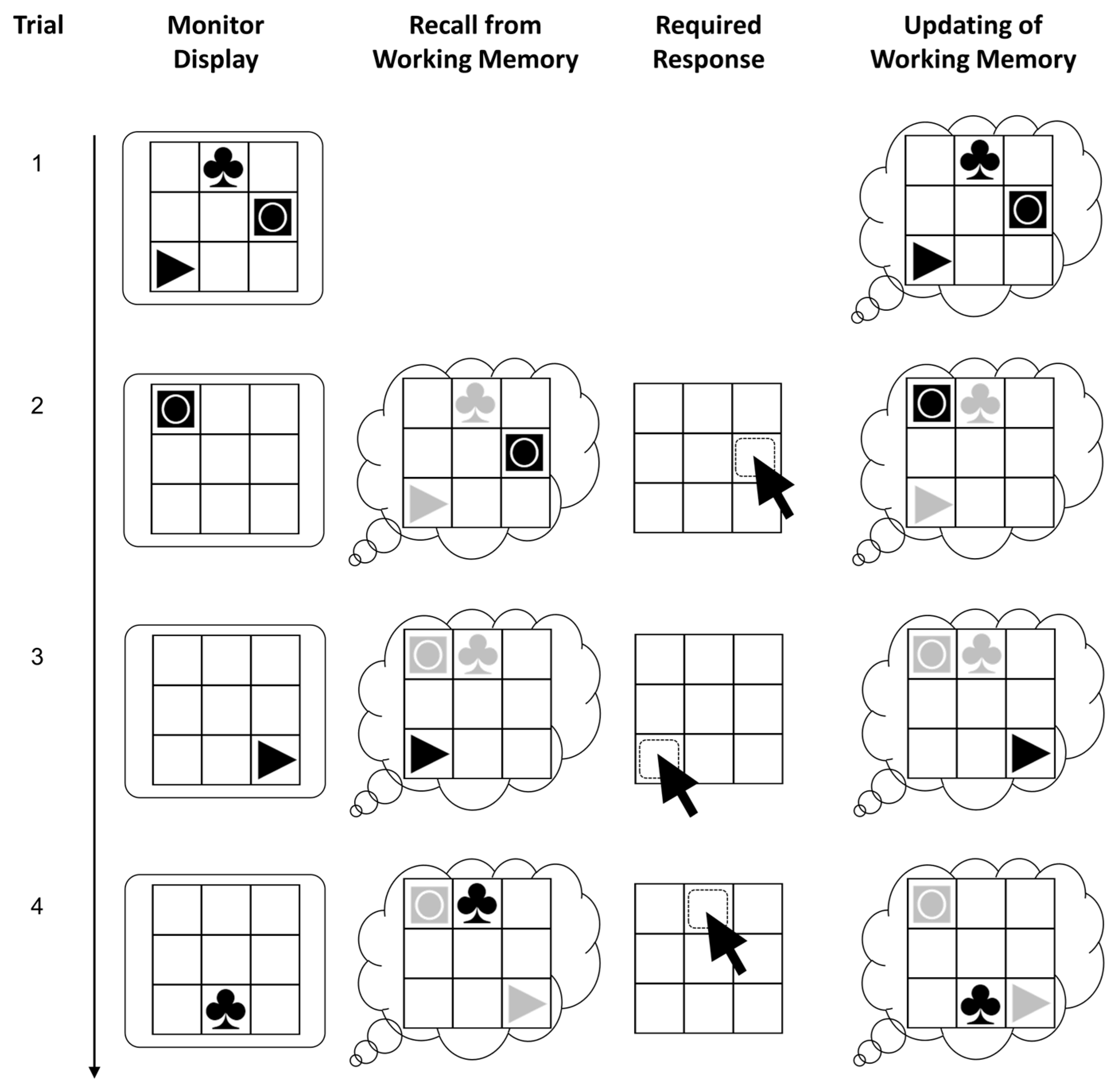
- Practice cognitive training programs: Engage in exercises that target executive control, attention, and working memory.
- Use keyboard shortcuts and multiple desktops: Leverage tools like TaskView and TaskSwitch to manage multiple tasks and applications.
Conclusion
Task switching is an essential cognitive function that allows us to adapt to changing situations. However, the costs of task switching, including decreased productivity and mental fatigue, cannot be ignored. By understanding the concept of task switching, its types, and the hidden costs, we can take steps to master this skill and improve our focus, productivity, and efficiency. By incorporating the strategies mentioned above, we can reduce the negative effects of task switching and become more effective in our personal and professional lives.