Protecting Personal Online Info: Stay Safe in a Digital World
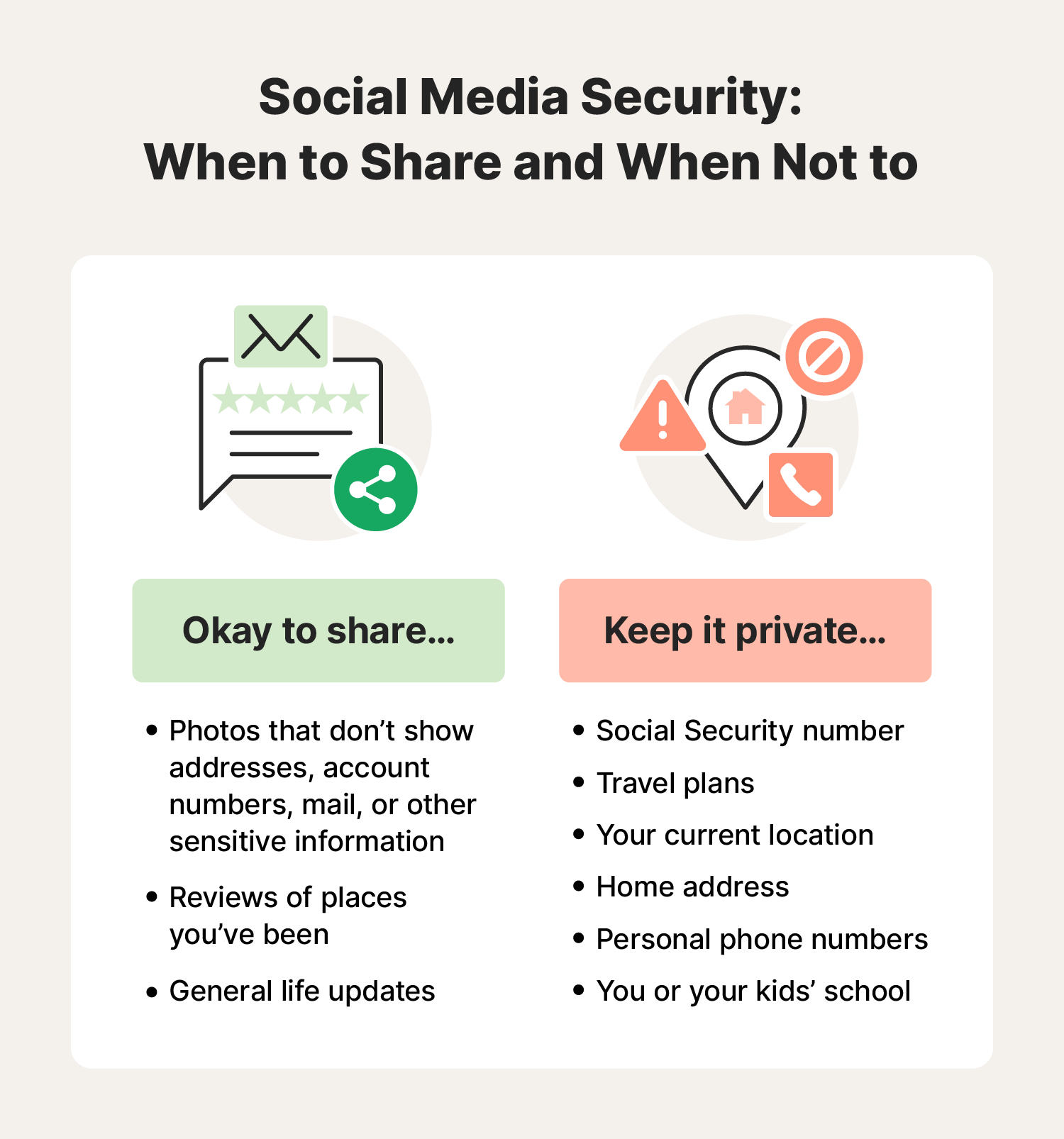
With the increasing presence of technology in our daily lives, protecting personal online info has become a significant concern. The internet has enabled us to access a wealth of information and connect with others globally. However, it also poses a risk to our personal data, which can be vulnerable to hacking, identity theft, and other forms of online abuse.
Why Protecting Personal Online Info Matters
Protecting personal online info is crucial because it helps safeguard not only your digital identity but also your financial and personal security. When your personal information falls into the wrong hands, you can face severe consequences, including identity theft, financial loss, and damage to your reputation. Furthermore, failing to protect your online information can lead to a loss of trust, not only from your peers but also from organizations and institutions that rely on digital interactions.
Simple Ways to Protect Personal Online Info
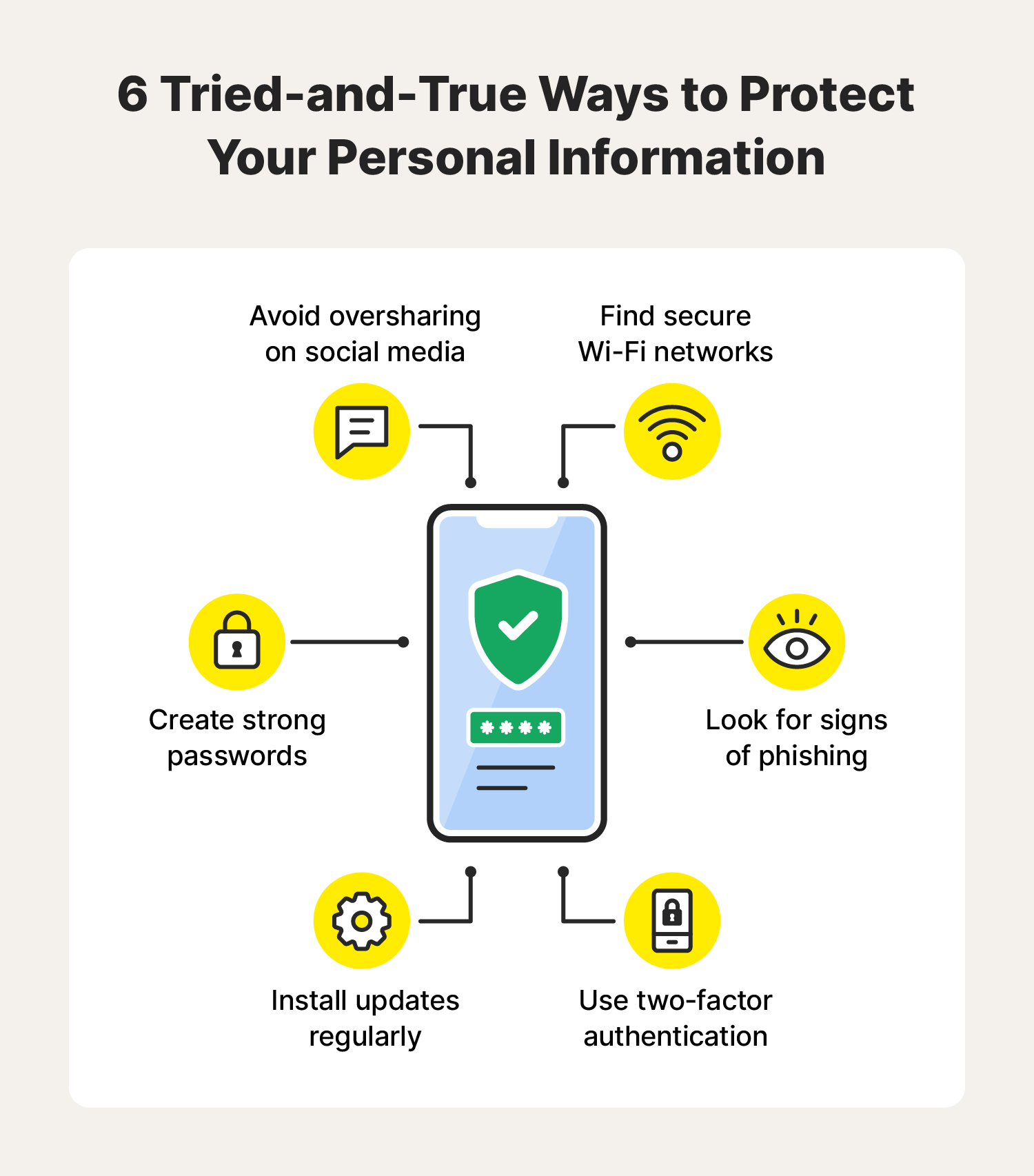
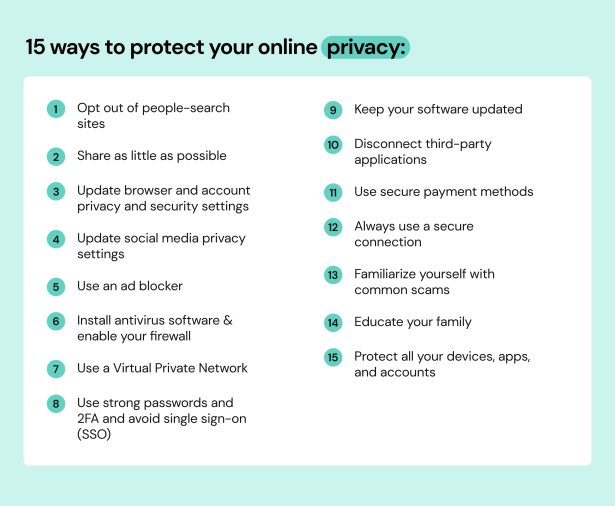
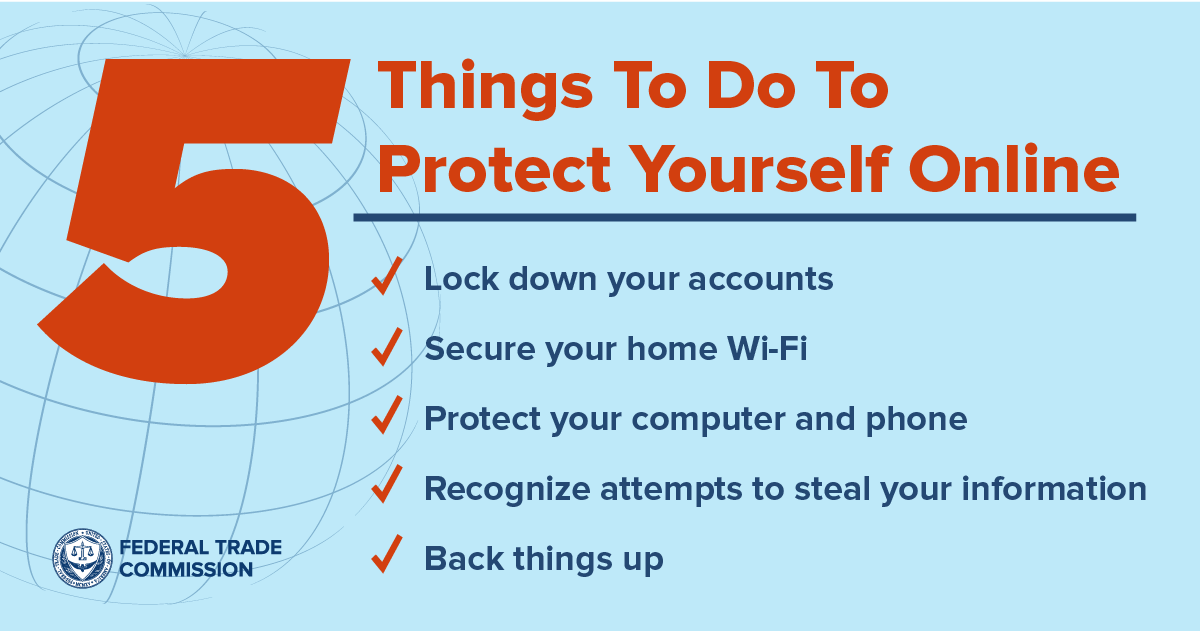
Guarding your personal online info doesn't have to involve complicated technical measures or massive costs. There are simple steps you can take to secure your online presence:
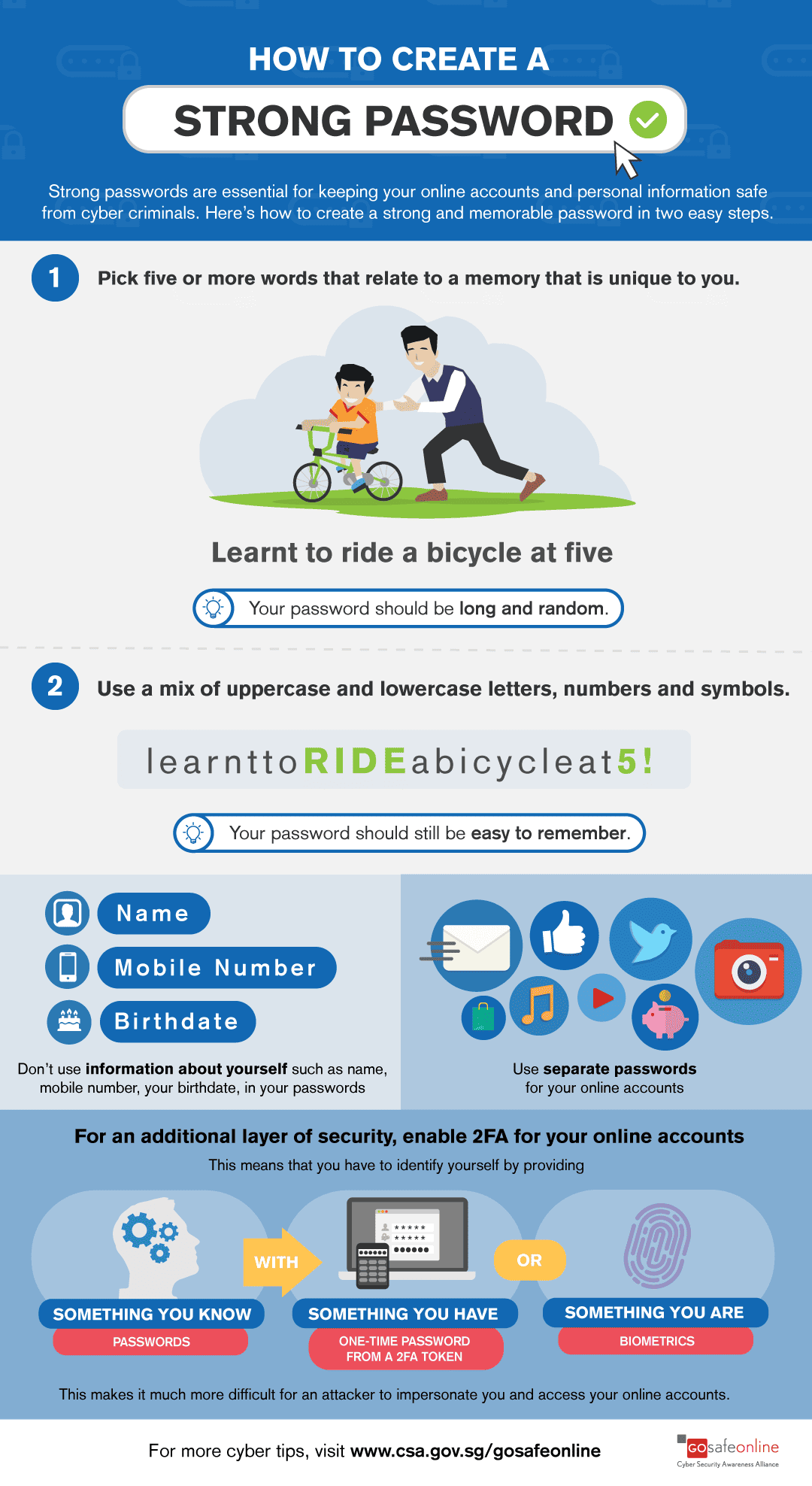
- Use complex and unique passwords**: Ensure your passwords are a minimum of 12 characters long and contain a mix of uppercase and lowercase letters, numbers, and special characters.
- Enable two-factor authentication**: This adds an extra layer of security by requiring you to provide a second form of verification, such as a fingerprint or a code sent to your phone.
- Keep software up to date**: Regularly update your operating system, browser, and other programs to ensure you have the latest security patches.
- Use antivirus software**: Install and run virus scans regularly to protect your device from malware.
- Use a VPN**: Virtual Private Networks (VPNs) encrypt your internet traffic, making it more difficult for hackers to intercept.
- Be cautious with public Wi-Fi**: Avoid accessing sensitive information over public networks or unsecured Wi-Fi.
- Use a password manager**: Consider using a reputable password manager to generate and store unique and complex passwords.
- Monitor your accounts**: Regularly check your credit report, bank statements, and other accounts for suspicious activity.
Protecting Personal Online Info: Privacy Tools and Best Practices
There are numerous tools and strategies available to enhance online security and protect personal information:
- Privacy-focused search engines**: Utilize search engines that prioritize user privacy, such as DuckDuckGo.
- Tor browser**: Use the Tor browser to anonymize your online activities.
- Encrypted messaging apps**: Employ messaging apps that utilize end-to-end encryption, such as Signal.
- Ad blockers**: Use ad blockers to prevent trackers and targeted advertising.
- Cookie blockers**: Install cookie blockers to limit online tracking.
Conclusion
Protecting personal online info is a collective responsibility that requires vigilance and proactive measures. By understanding the risks associated with online interactions and embracing simple yet effective security strategies, you can safeguard your digital identity and maintain a healthy distance between your personal life and the online world. By being aware of the threats and taking action to mitigate them, you can create a safer digital environment for yourself and others.
Remember, protecting personal online info is not a one-time task but an ongoing process that demands continuous attention and adaptation. Stay informed about the latest trends, threats, and best practices to ensure your online security remains robust and resilient.