Phubbing at the Dinner Table: The Silent Guest Ruining Quality Time
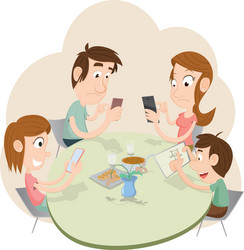
Have you ever sat down for a meal with loved ones, only to have someone reach for their phone mid-conversation? This behavior, known as phubbing, can be a silent guest at the dinner table, ruining the quality time and intimacy you crave.
What Phubbing Actually Looks Like
Phubbing is not just scrolling through Instagram during dinner. It shows up in subtle ways, making it essential to recognize its signs to address the behavior effectively. Some common examples of phubbing include:
- Checking your phone mid-conversation, even for "just a second"
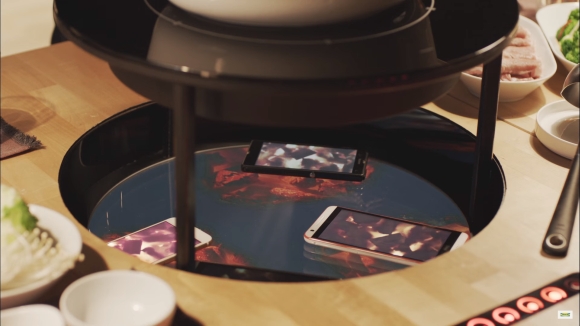
- Placing your phone face-up on the table during meals or dates
- Reaching for your phone during a pause in conversation instead of making eye contact
The Psychology of Phubbing: Why We Engage in This Behavior
Phubbing can be a habit formed by our constant desire to stay connected and respond to notifications. However, this behavior can have severe consequences on our relationships and mental health. By understanding the psychology behind phubbing, we can begin to address this issue and make positive changes.
The Effects of Phubbing on Relationships
Phubbing can chip away at trust, affection, and real conversation in relationships. When one partner is constantly checking their phone, the other may feel ignored, disrespected, and unimportant. This can lead to feelings of distrust, resentment, and even isolation.
Signs Phubbing Is Affecting Your Relationship
Some common signs that phubbing is affecting your relationship include:
- Conversations cut short because one person is checking notifications
- Arguments escalating with phrases like, "You're always on your phone."
- Less intimacy, because quality time is interrupted

Reclaiming Family Dinner from Phone Distractions
Reclaiming family dinner from phone distractions is essential for creating meaningful connections and memories. By setting limits on phone usage and creating tech-free zones, you can foster deeper conversations and a stronger sense of community.
Practical Strategies to Combat Phubbing
To combat phubbing, try these simple yet effective strategies:
- Set limits on phone usage during meals and dates
- Create tech-free zones, like the dinner table
- Put your phone on silent or in another room during family time
- Engage in activities that promote face-to-face interaction, like board games or cooking
Conclusion
Phubbing at the dinner table may seem like a harmless habit, but it can have severe consequences on our relationships and mental health. By recognizing the signs of phubbing, understanding its psychology, and implementing practical strategies to combat this behavior, we can reclaim quality time and create a more meaningful, connected community.
Resources
For further reading on the topic of phubbing, check out these resources:
- A study published in Frontiers in Psychology on the effects of phubbing on relationships
- Articles on the impact of phubbing on mental health and social connections
- Guides on setting boundaries and creating tech-free zones in relationships