Overcoming Nomophobia with Cognitive Behavioral Therapy
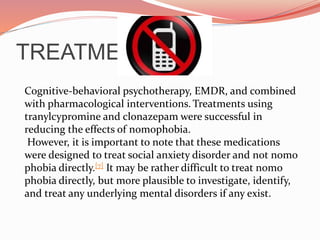
Nomophobia, also known as smartphone anxiety disorder, is a fear of being without one's mobile phone or experiencing separation anxiety from it. This phobia can significantly impact daily functioning, relationships, and overall well-being. Fortunately, cognitive behavioral therapy (CBT) has been proven to be an effective treatment option for overcoming nomophobia.
Understanding Nomophobia
Nomophobia is a common issue in today's digital age, where smartphones play a significant role in our daily lives. Excessive mobile phone use can lead to anxiety, stress, and depression, and in severe cases, nomophobia can interfere with daily functioning and relationships.
What is Cognitive Behavioral Therapy (CBT)?
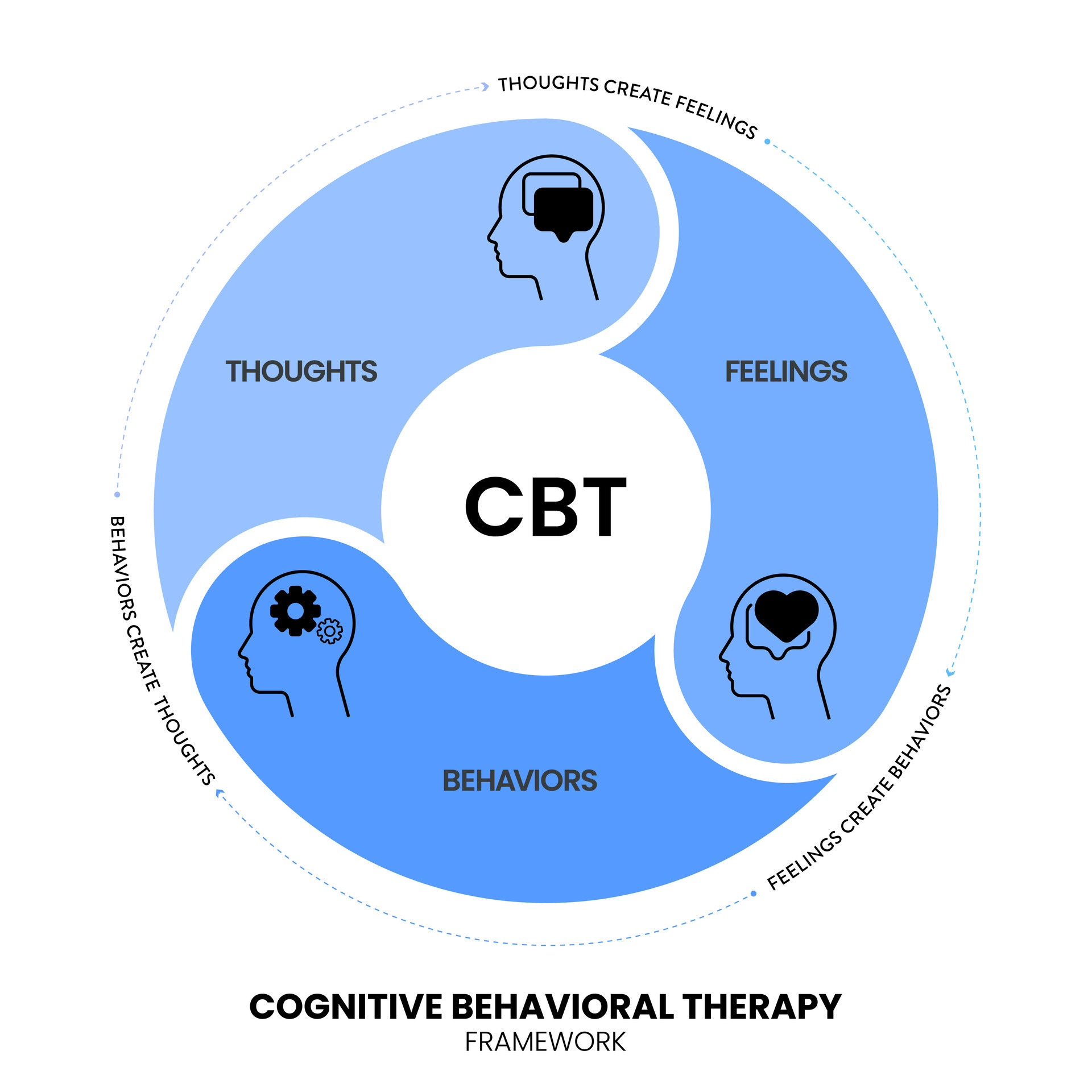
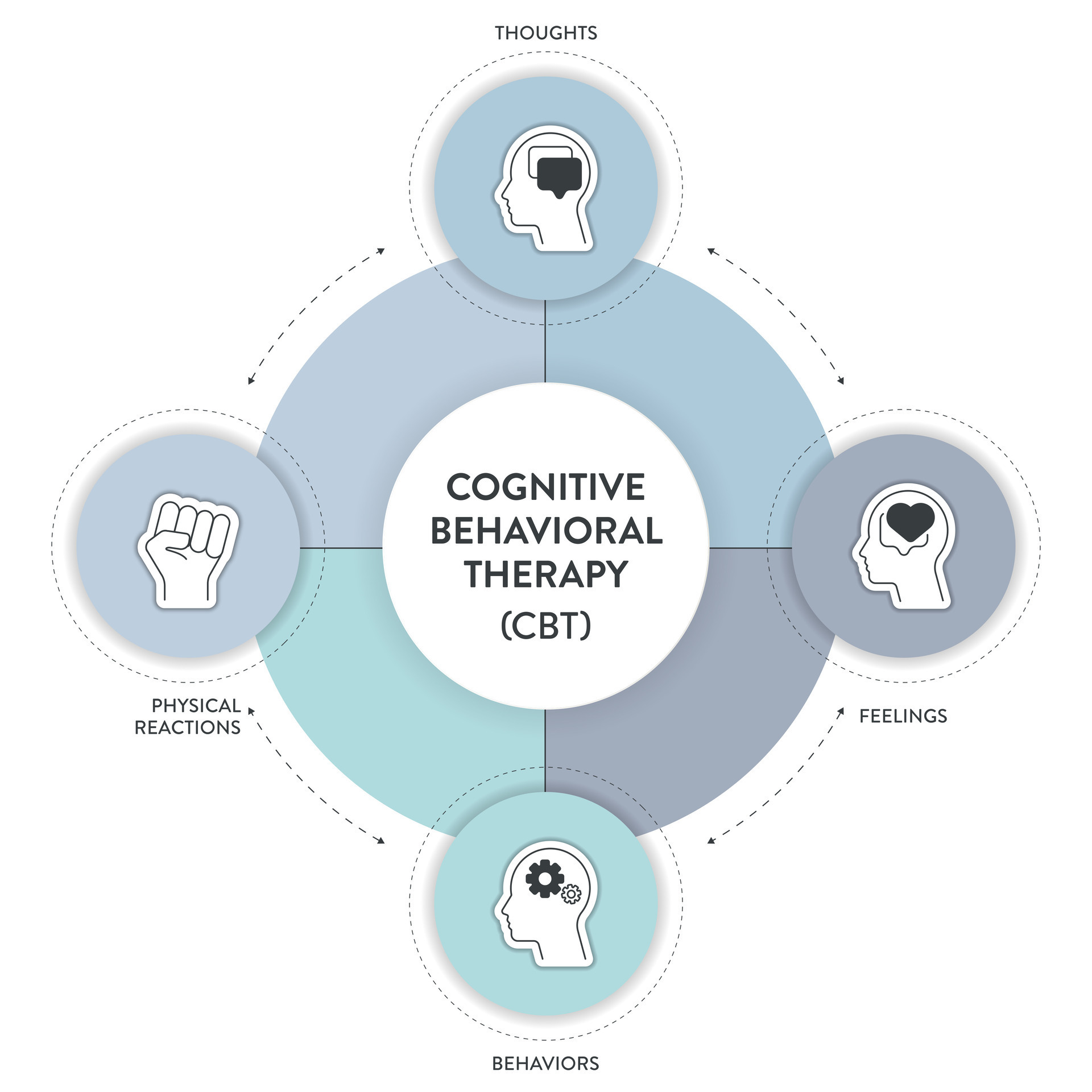
Cognitive behavioral therapy is a type of psychotherapy that focuses on identifying and changing negative thought patterns and behaviors associated with nomophobia. CBT is a structured, time-limited therapy that has been proven to be effective in treating various mental health conditions, including anxiety disorders.
How CBT Helps Overcome Nomophobia

- Identifies and challenges negative thought patterns: CBT helps individuals recognize and challenge irrational thoughts and behaviors associated with nomophobia, such as fear of being without their phone or anxiety due to loss of cell phone signal.
- Reframes negative thoughts: By reframe negative thoughts, individuals can replace them with more realistic and positive perspectives.
- Gradual exposure: Exposure therapy, a type of CBT, involves gradually exposing individuals to situations without their phone, helping them become less anxious over time.
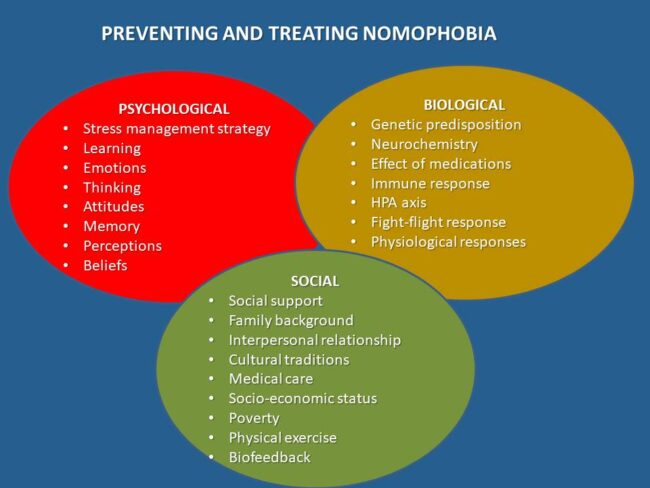
- Develops coping strategies: CBT provides individuals with practical tools to manage their anxiety and develop healthier habits related to phone use.
Cognitive Behavioral Techniques for Overcoming Nomophobia
Some effective cognitive behavioral techniques for overcoming nomophobia include:
- Keeping a phone use diary to track and identify patterns of phone use and triggers for anxiety.
- Learning relaxation techniques, such as deep breathing, progressive muscle relaxation, or visualization, to manage anxiety.
- Reframing negative thoughts and images by challenging and replacing them with more positive and realistic ones.
- Gradually increasing "no phone" time to desensitize oneself to anxiety-provoking situations.
- Developing a support network of friends and family to help manage anxiety and phone use.
Conclusion
Overcoming nomophobia with cognitive behavioral therapy requires commitment and effort, but it can be a highly effective treatment option. By identifying and changing negative thought patterns, reframing negative thoughts, and developing coping strategies, individuals can overcome their nomophobia and improve their overall well-being. If you or someone you know is struggling with nomophobia, consult a mental health professional or a qualified therapist for guidance and support.