Job Search Strategies for People with a Strong Transcription Skill
As a transcriptionist, you possess a valuable skill set that can be applied to a variety of industries and roles. With the rise of remote work, transcription jobs have become increasingly popular, offering flexibility and a steady income. In this article, we will explore job search strategies for people with a strong transcription skill, including key takeaways, salary expectations, and essential skills required for the job.
Understanding the Role of a Transcriptionist
A transcriptionist is responsible for transcribing audio or video recordings into written text. This requires exceptional listeningskills, strong spelling and grammar skills, quick typing skills, and a good memory. Transcriptionists work in a variety of settings, including medical, legal, academic, and media industries.
Salary Expectations
The salary for transcriptionists can vary depending on the industry, experience, and location. According to various sources, transcriptionists can earn an average salary ranging from $25,000 to $50,000 per year. Experienced transcriptionists can earn upwards of $70,000 per year.

Essential Skills for Transcriptionists
To succeed as a transcriptionist, you should possess the following essential skills:
- Strong listeningskills: The ability to listen carefully and accurately to audio or video recordings.
- Quick typing skills: The ability to type quickly and accurately, often at speeds of 60-80 words per minute.
- Strong spelling and grammar skills: The ability to spell and grammar-check written text with accuracy.
- Attention to detail: The ability to focus and concentrate on the task at hand, often for extended periods.
- Proficiency with transcription software: Familiarity with industry-standard transcription software, such as Express Scribe or FTW Transcriber.
- Strong computer skills: Proficiency in using computer software, including word processing and spreadsheet applications.
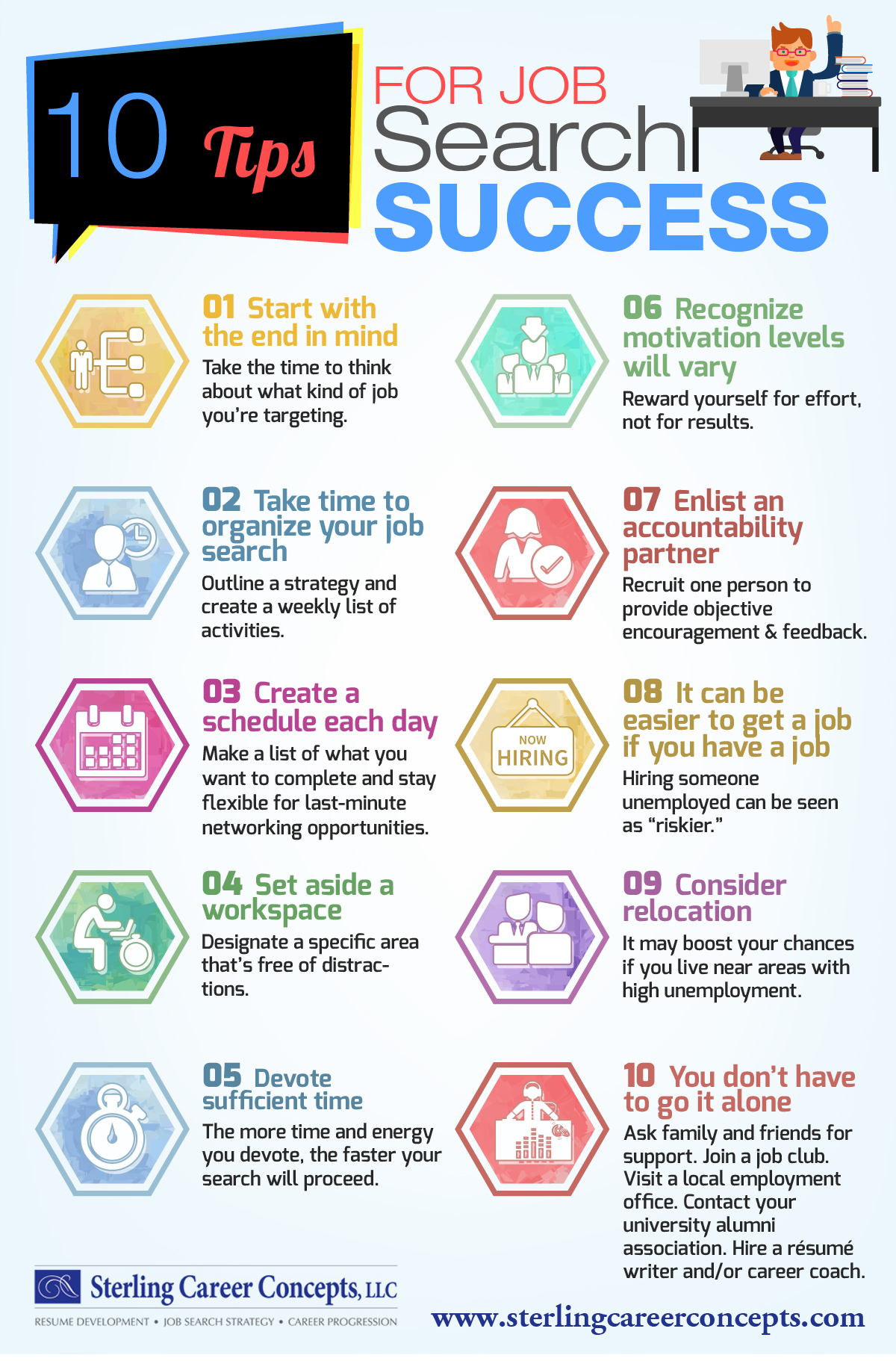
Job Search Strategies for Transcriptionists
- Build a strong profile: Create a strong online presence, including a professional resume and LinkedIn profile.
- Highlight relevant experience: Emphasize any relevant transcription experience, including training, certifications, and previous work experience.
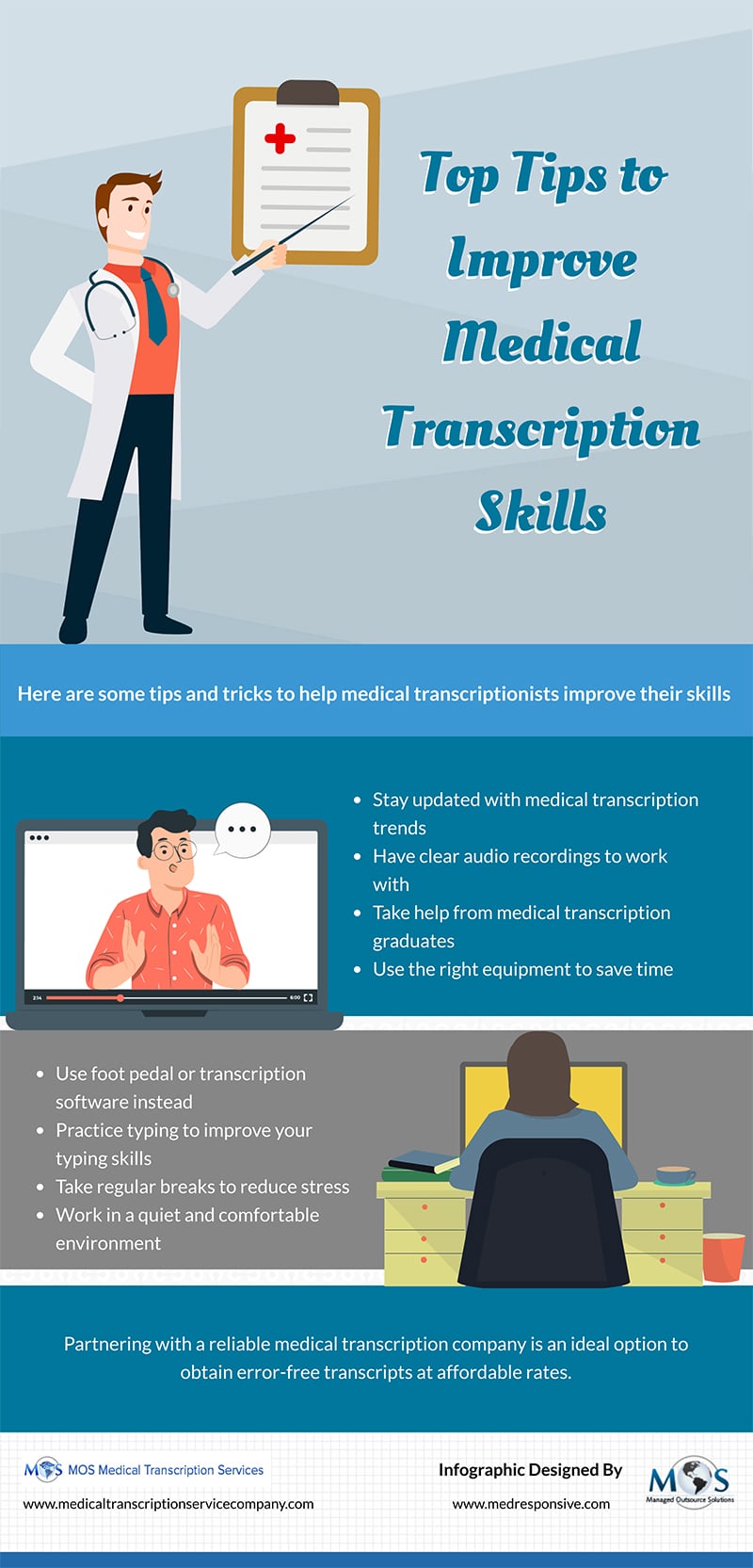
- Learn industry-standard software: Familiarize yourself with industry-standard transcription software and tools.
- Practice with sample transcripts: Practice transcribing sample transcripts to improve your skills and build your confidence.
- Stay up-to-date with industry developments: Stay informed about industry developments, including new software, tools, and best practices.
Conclusion
As a transcriptionist, you possess a valuable skill set that can be applied to a variety of industries and roles. With the rise of remote work, transcription jobs have become increasingly popular, offering flexibility and a steady income. By developing a strong skill set and following job search strategies, you can increase your chances of landing a transcription job and building a successful career as a transcriptionist.
Final Tips
Here are some final tips to keep in mind when searching for a transcription job:
- Stay organized: Keep track of your job applications, including deadlines, opportunities, and follow-up communications.
- Network with professionals in the industry: Connect with other transcriptionists and industry professionals to learn about job opportunities and best practices.
- Continuously improve your skills: Stay up-to-date with industry developments and continuously improve your skills to increase your chances of landing a job.