Understanding Gadget-Based Addiction: Causes, Effects, and Solutions
Gadget-based addiction is a growing concern in today's digital era. With the widespread use of smartphones, laptops, and other electronic devices, people of all ages are susceptible to developing an addiction to gadgets. This type of addiction can lead to negative consequences in various aspects of an individual's life, including their mental health, relationships, and productivity.
The Causes of Gadget-Based Addiction
So, what causes gadget-based addiction? According to experts, some of the primary factors contributing to this type of addiction include:
- Loneliness and social isolation: People may turn to gadgets as a way to cope with feelings of loneliness and disconnection from others.
- Self-control and impulsivity: Individuals with weak self-control and impulsivity may be more prone to gadget-based addiction.
- Anxiety and stress: People may use gadgets as a means to escape from stress and anxiety.
- Boredom and lack of stimulation: Gadgets can provide instant gratification and entertainment, leading to addiction in individuals who lack stimulation and interest in other areas of life.
- Peer influence: Social media and online gaming can create a sense of community and belonging, leading individuals to become overly invested in gadgets.
The Effects of Gadget-Based Addiction
Gadget-based addiction can have severe consequences on an individual's mental and physical health, relationships, and productivity. Some of the negative effects of gadget-based addiction include:
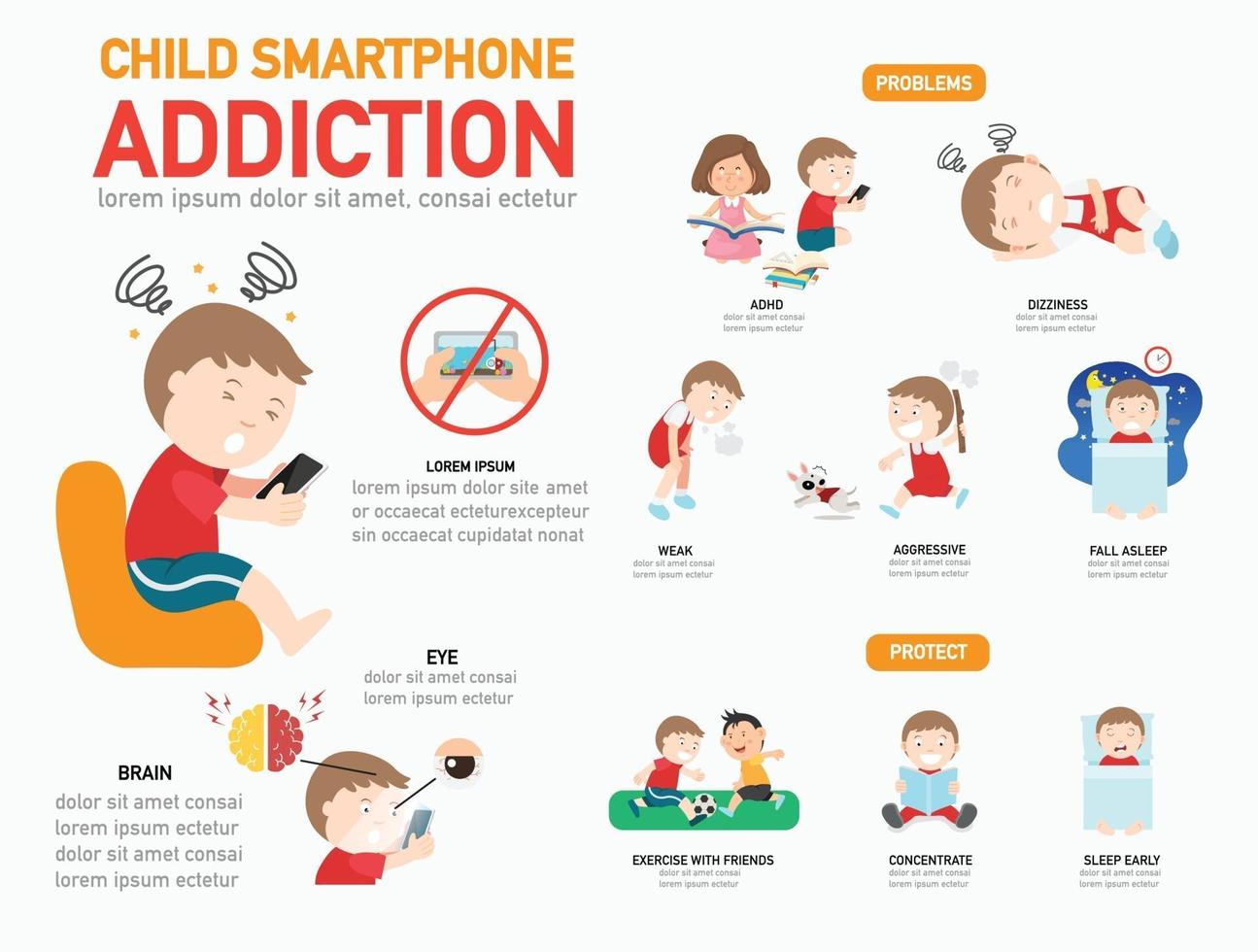
- Mental health problems: Excessive gadget use has been linked to depression, anxiety, and other mental health issues.
- Eye strain and vision problems: Prolonged screen time can cause eye strain, blurred vision, and increased risk of myopia.
- Social isolation: Gadget-based addiction can lead to social isolation, decreased face-to-face interaction, and deterioration of relationships.
- Physical inactivity: Excessive gadget use can lead to a sedentary lifestyle, contributing to obesity, diabetes, and other physical health problems.
- Reduced productivity: Gadget-based addiction can negatively impact work or school performance, leading to decreased productivity and grades.
Solutions to Overcome Gadget-Based Addiction
So, how can individuals overcome gadget-based addiction? Here are some strategies to help you reduce your gadget use and regain control:
- Set boundaries and limits: Establish screen-free zones and times in your home, such as during meals or before bed.
- Use website blockers and apps: Tools like Freedom, SelfControl, and StayFocusd can block distracting websites and apps.
- Practice mindfulness and self-control: Engage in activities that promote self-awareness, such as meditation or journaling, to help you develop better self-control.
- Find alternative activities: Engage in hobbies, sports, or other activities that bring you joy and fulfillment.
- Seek support: Talk to friends, family, or a therapist about your gadget-based addiction and seek support to overcome it.
Conclusion
Gadget-based addiction is a serious concern in today's digital age. By understanding the causes, effects, and solutions to this type of addiction, individuals can take the first step towards regaining control over their gadget use and leading a healthier, more balanced life. Remember, it's never too late to make a change and seek help if you're struggling with gadget-based addiction.