The Effect of Gadgets on Students: Understanding the Impact
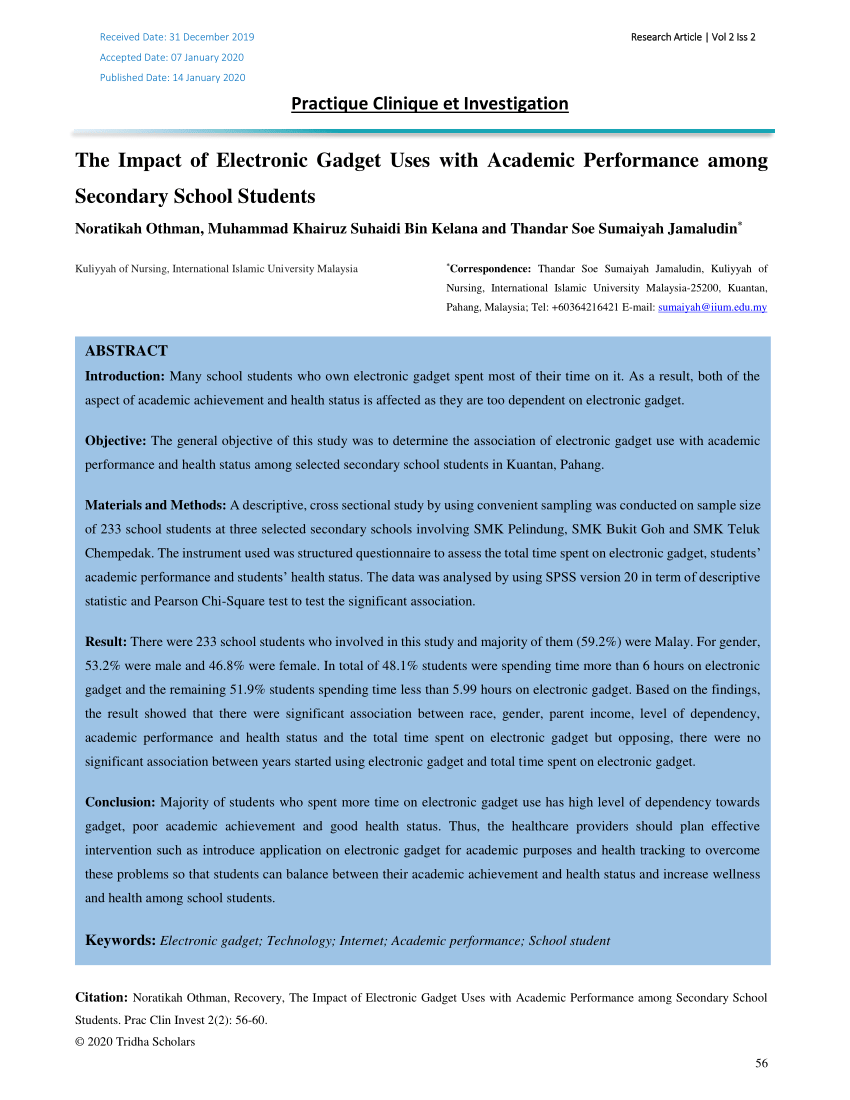
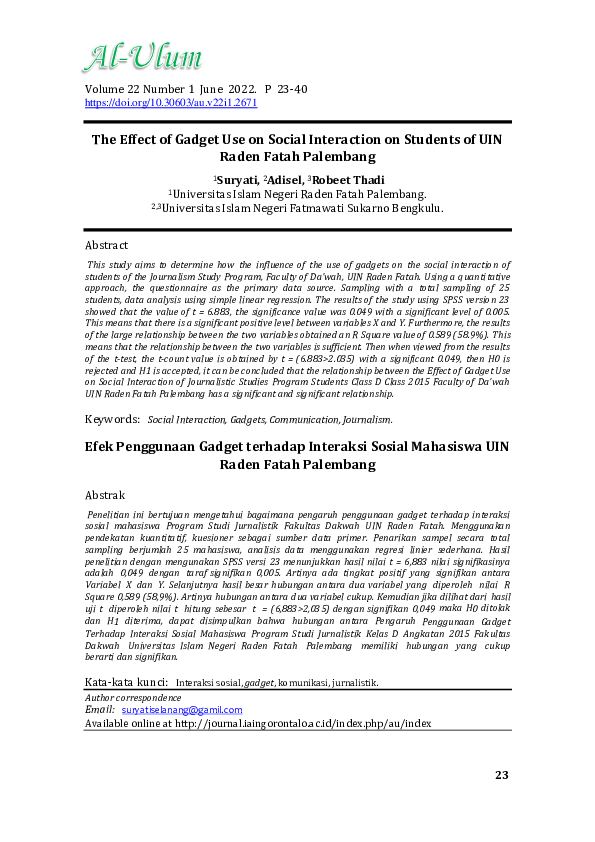
The widespread use of gadgets among students has become a topic of concern for educators, parents, and researchers. While gadgets can provide numerous benefits, such as increased access to information and opportunities for collaboration, their excessive use can have negative effects on students' academic performance and overall well-being. In this article, we will delve into the impact of gadgets on students and explore the ways in which their use can affect their learning outcomes.
The Positive Effects of Gadgets on Students
Gadgets can have a positive impact on students' academic performance in several ways:
-
Increased access to information: Gadgets provide students with instant access to a vast amount of information, which can be particularly helpful for research and projects.
-
Improved communication: Gadgets enable students to communicate with their peers and teachers more easily, facilitating collaboration and feedback.
-
Enhanced learning experiences: Gadgets can provide students with interactive and engaging learning experiences, making complex concepts more accessible and enjoyable.
The Negative Effects of Gadgets on Students
However, excessive gadget use can have negative effects on students, including:
-
Distracted learning: Gadgets can be a significant distraction, leading to decreased focus and motivation in students.
-
Reduced academic performance: Excessive gadget use has been linked to lower academic performance, particularly in subjects that require critical thinking and problem-solving skills.
-
Physical and mental health concerns: Excessive gadget use has been associated with various physical and mental health concerns, including obesity, sleep deprivation, and anxiety.
The Impact of Gadgets on Student Behavior
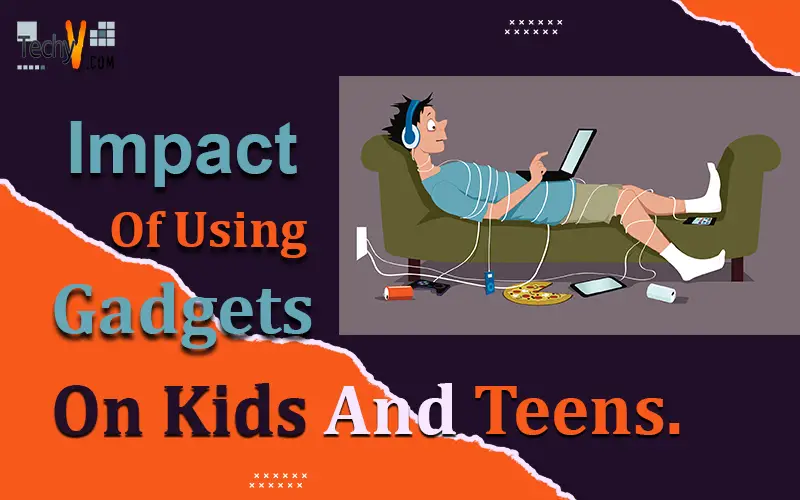
The use of gadgets can also impact student behavior, including:
-
Increased social media use: Students are spending more time on social media, which can lead to decreased face-to-face interaction and increased social isolation.
-
Decreased attention span: The constant exposure to gadgets can lead to decreased attention span and decreased ability to focus on tasks.
-
Increased stress and anxiety: Excessive gadget use can lead to increased stress and anxiety in students, particularly if they feel pressure to constantly be connected.
Conclusion
In conclusion, the impact of gadgets on students is complex and multifaceted. While gadgets can provide numerous benefits, their excessive use can have negative effects on students' academic performance, behavior, and overall well-being. As educators and parents, it is essential to strike a balance between the use of gadgets and other aspects of students' lives, ensuring that they are used in a responsible and effective manner.
Recommendations
To mitigate the negative effects of gadgets on students, the following recommendations can be implemented:
-
Set boundaries and guidelines for gadget use: Establish clear rules and guidelines for gadget use, including designated times for use and limits on screen time.
-
Encourage responsible gadget use: Teach students how to use gadgets responsibly, including how to prioritize tasks, manage time, and avoid distractions.
-
Monitor gadget use: Regularly monitor students' gadget use to ensure that they are not overusing or misusing devices.