Deciding to Stop Phone Phubbing: Breaking the Habit that Hurts Relationships
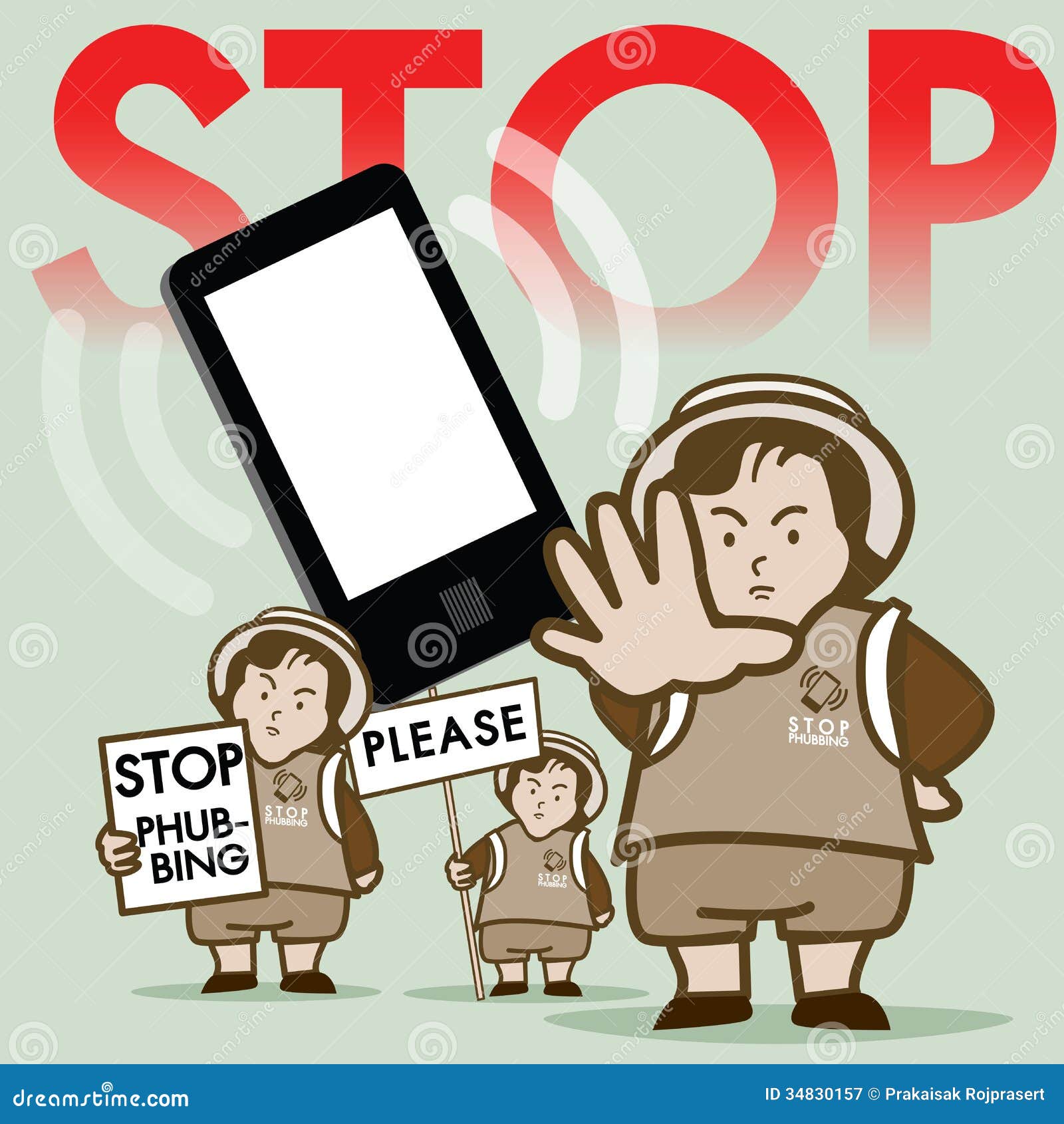
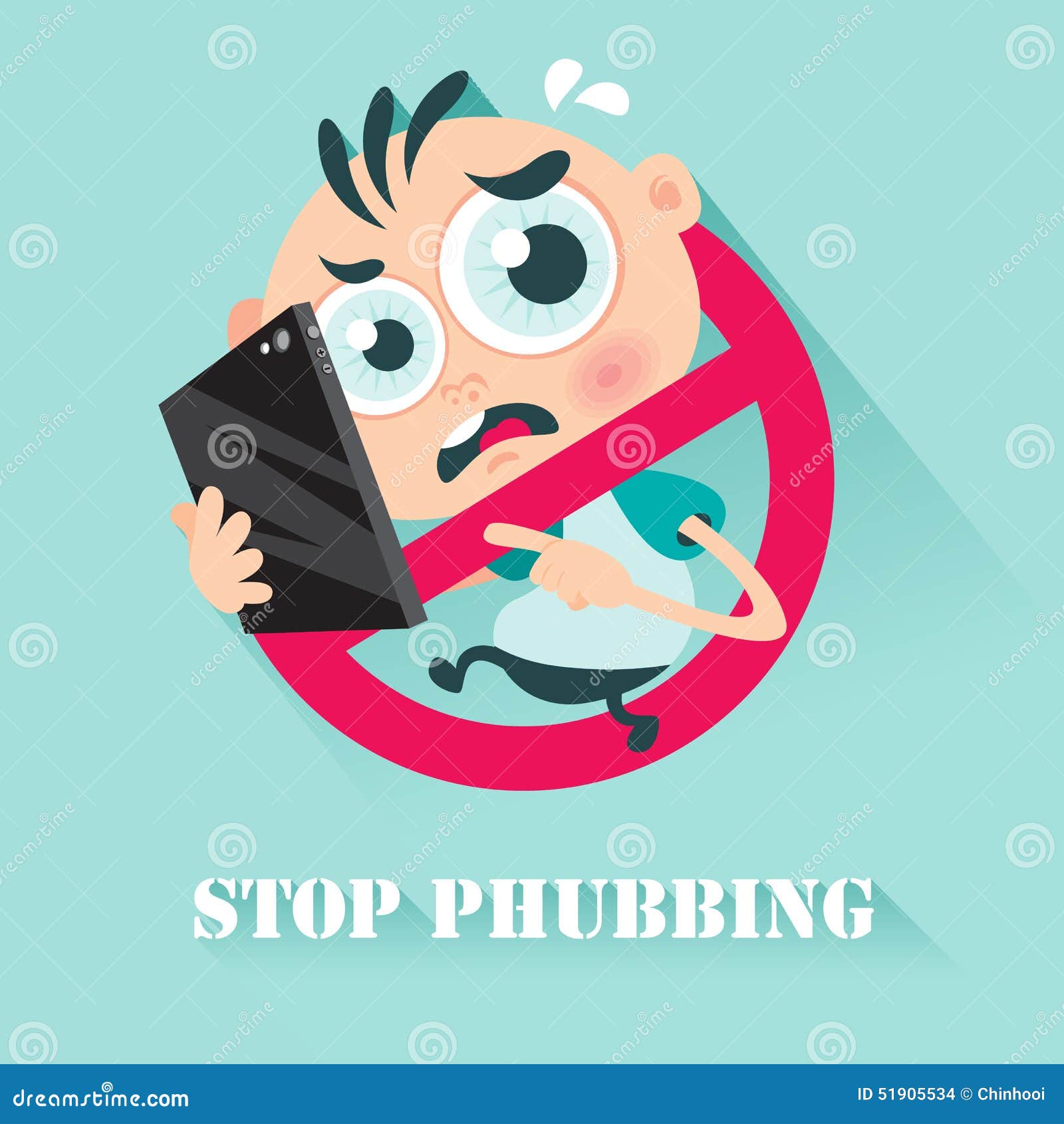
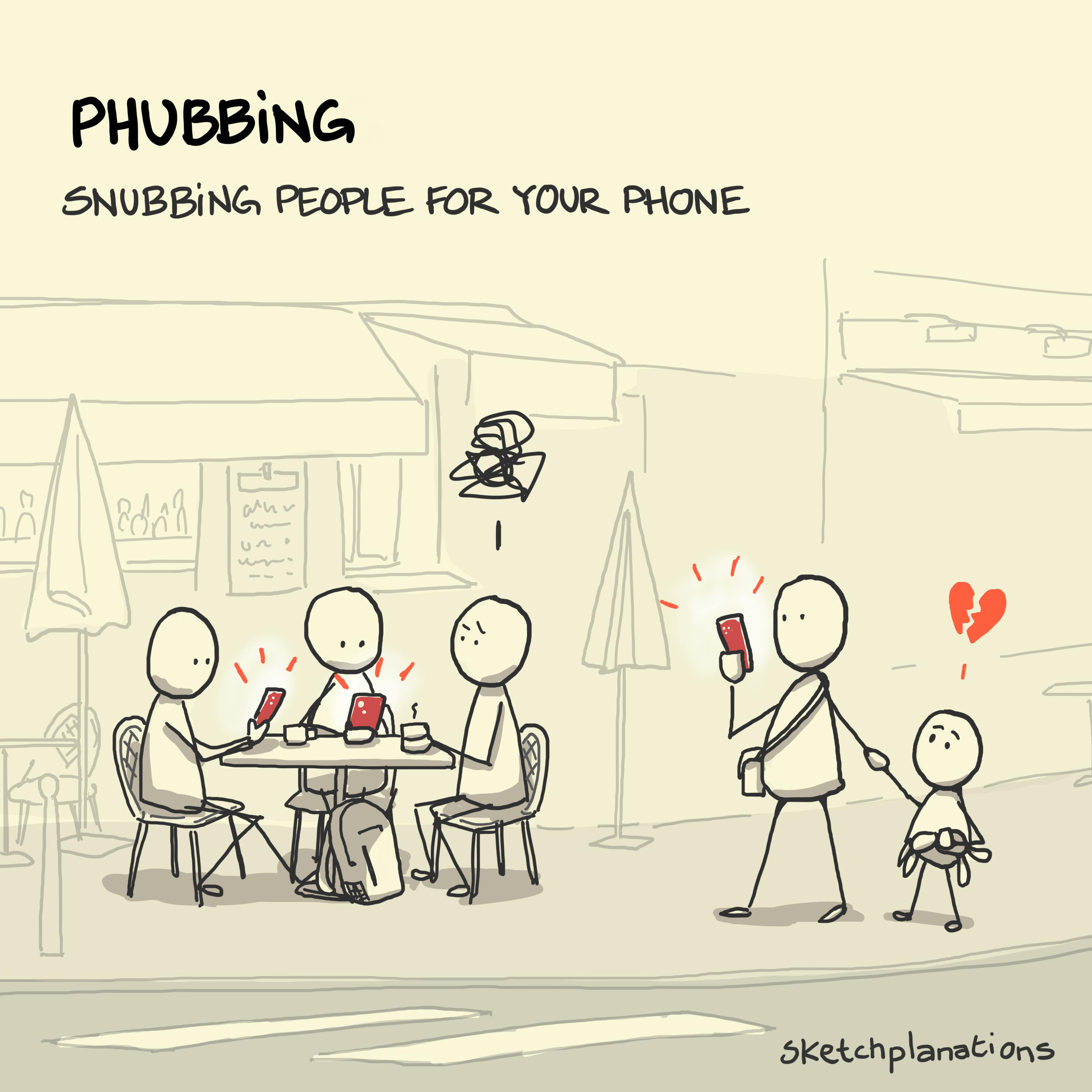
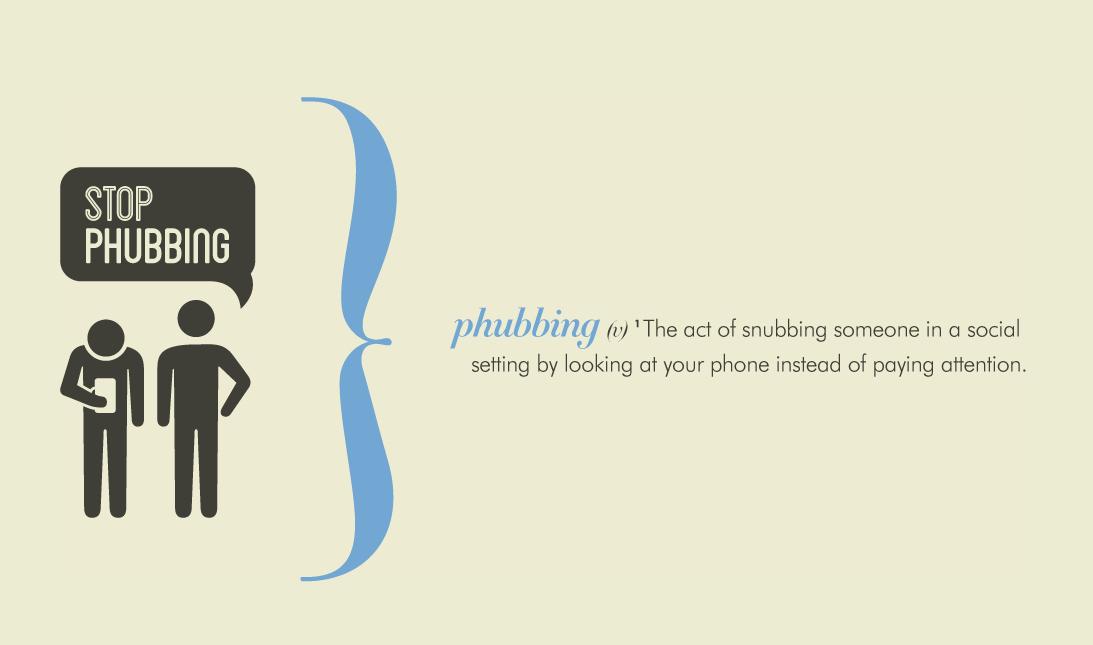
Are you guilty of constantly checking your phone while in conversations or spending more time on your device than with your partner? If so, you might be a phubber. Phubbing, a blend of "phone" and "snubbing," occurs when individuals prioritize their mobile devices over interpersonal interactions, and it can have serious consequences on relationships. In this article, we'll explore the research behind why phubbing hurts relationships and provide 8 practical strategies to help you decide to stop phone phubbing.
Why Phubbing Hurts More Than You Think
Experts say the real issue isn't the phone itself, but the emotional meaning attached to being ignored. Studies have shown that partners who experience phubbing have lower relationship satisfaction, experience more conflicts, and feel emotionally disengaged from their partner. Phubbing can also lead to feelings of distrust and ostracism, as individuals begin to wonder if they're being prioritized over the phone.
Identifying Phubbing in Your Relationship
Do you find yourself constantly checking your phone while in conversations, even when you're with your partner? Or perhaps you notice that your partner is consistently ignoring you in favor of their device. whatever the signs may be, it's essential to recognize the problem and take action to stop phone phubbing. Ask yourself: am I prioritizing my phone over conversations? Do I feel emotionally disengaged from my partner when we're together?
Strategies to Stop Phone Phubbing
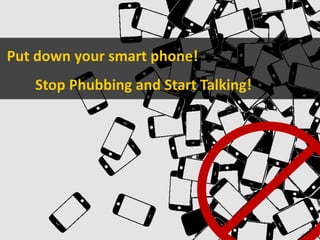
Deciding to stop phone phubbing requires effort and commitment, but with these practical strategies, you can break the habit and strengthen your relationships:
- Practice Active Listening: When engaging with your partner, make a conscious effort to listen attentively and respond fully. Avoid glancing at your phone or interrupting your partner.
- Set Boundaries: Establish phone-free zones and times in your relationship, such as during meals or when spending quality time together.
- Use the Imago Dialogue: This communication technique involves mirroring, validation, and brainstorming to enhance connection and understanding.
- Designate 'Phone-Free' Hours: Schedule specific times when you and your partner can refrain from using your phones, promoting a more present and engaged connection.
- Engage in Activities Together: Plan activities that promote face-to-face interaction, such as going for a walk, cooking together, or attending events.
- Use Technology to Your Advantage: Enable phone-free modes on your device, such as Do Not Disturb or Screen Time tracking, to help you stay accountable.
- Communicate Openly: Discuss your concerns and feelings about phone phubbing with your partner, and work together to find solutions.
- Seek Professional Help: If phubbing persists and affects your relationship significantly, consider couples therapy to address underlying issues and develop healthier communication habits.
The Role of Communication in Overcoming Phubbing
Effective communication is the backbone of any successful relationship. By discussing your concerns and feelings about phone phubbing, you can work together to establish healthy boundaries and habits. Remember that breaking the phubbing habit requires effort and commitment from both partners. By prioritizing your relationship and practicing active listening, you can strengthen your connection and create a more fulfilling partnership.
Conclusion
Deciding to stop phone phubbing can be a challenging but rewarding process. By recognizing the harm that phubbing can cause to relationships and implementing the strategies outlined above, you can break the habit and create a more present and engaged connection with your partner. Remember, it's not about the phone itself, but the emotional meaning attached to being ignored. By prioritizing your relationship and practicing effective communication, you can overcome phubbing and build a stronger, healthier partnership.