Classic Minimalism: The Timeless Philosophy and Aesthetic of Simplicity
When we hear the word "minimalism," many of us think of a design style that eschews ornamentation and emphasizes simplicity. While it's true that minimalism has led to a design aesthetic that is pared-down and elegant, the philosophy behind this style runs much deeper.
Understanding the History of Minimalism
Minimalism, both as an art movement and a design style, is often thought to have emerged in the 1960s and 1970s in Western art. However, its origins can be traced back to Eastern cultures, such as Zen Buddhism and Taoist philosophy, which emphasized the importance of simplicity and clarity. In the visual arts, minimalism was a reaction to the abstract expressionism and modernism of the time, seeking to strip art down to its essentials.
Classic Minimalist Style: Timeless and Enduring
Classic minimalism is a style that prioritizes simplicity and functionality. It's not about empty spaces and a lack of character; rather, it's about creating an aesthetic that is clean, refined, and timeless. By focusing on the essential elements of a design, minimalism creates a sense of clarity and order that is hard to find in a world filled with clutter and distractions.
Minimalist Fashion: Simplicity and Quality
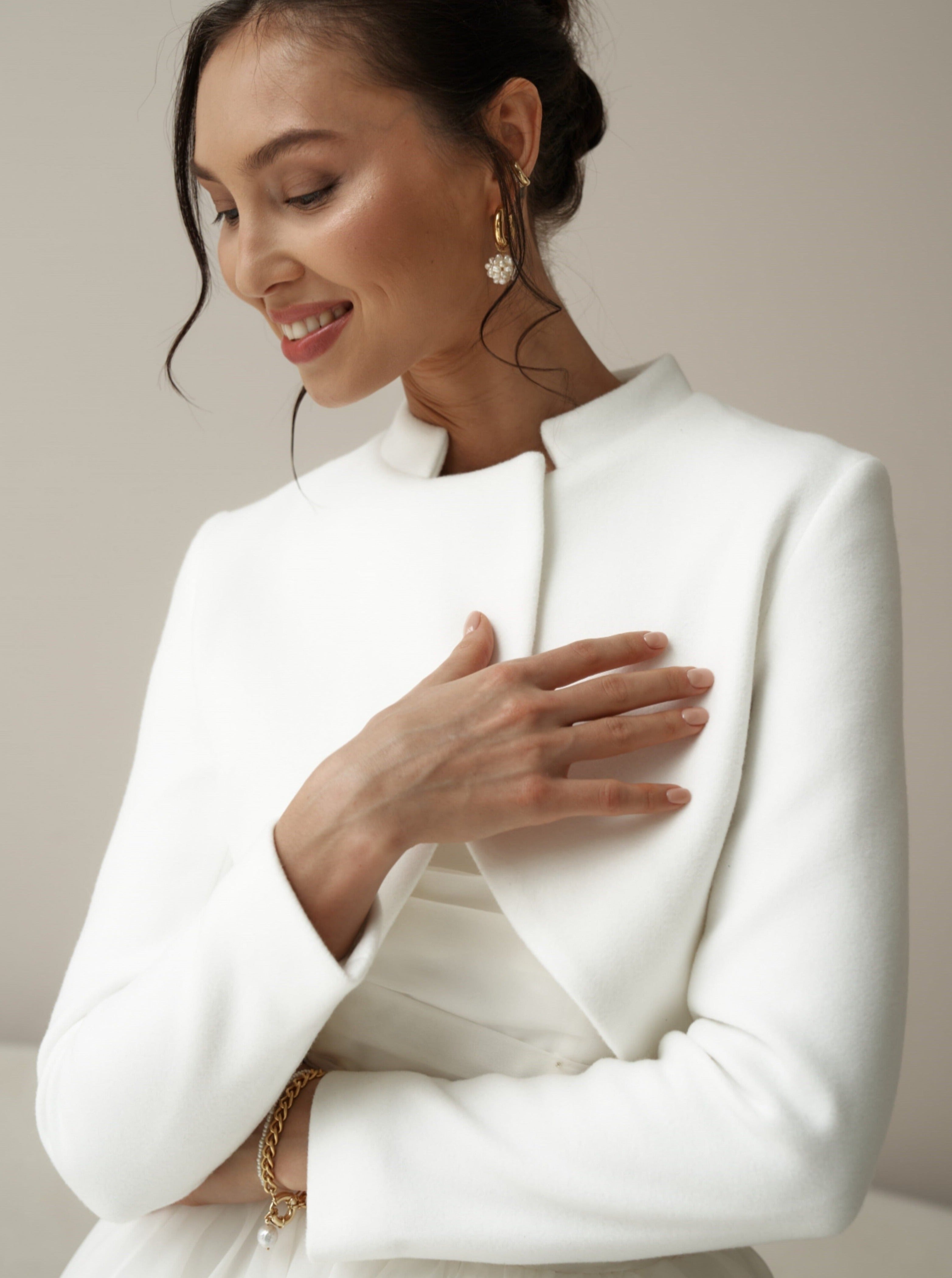
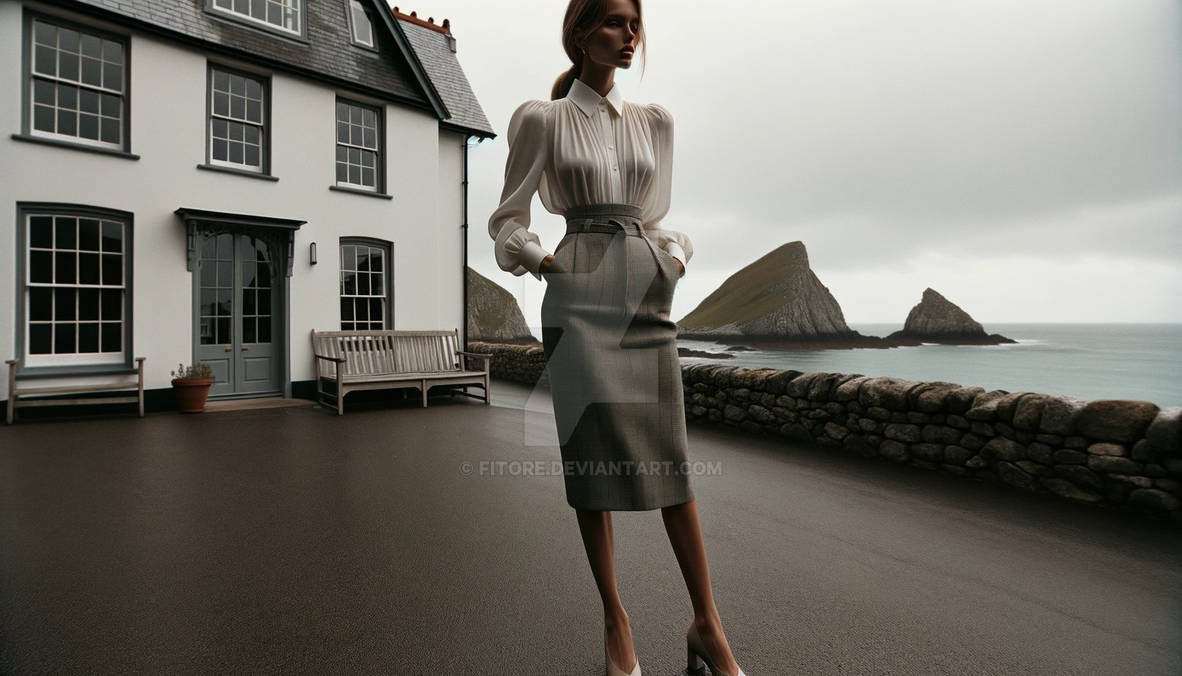
In fashion, minimalist style is all about paring down your wardrobe to the essentials. It's about choosing quality over quantity and focusing on clean lines, neutral shades, and simple designs. By stripping away the unnecessary, you reveal the true beauty of a piece and create a look that is both timeless and elegant.
The Evolution of Minimalism

From its early days as an art movement, minimalism has continued to evolve and influence various fields, including music, architecture, and interior design. Composers like John Cage and Steve Reich used repetitive patterns and drones to create a new kind of music that was both simple and profound. Architects like Frank Lloyd Wright and Mies van der Rohe built structures that were elegant, yet minimalist, and designers like Dieter Rams and Jonathan Ive created products that were both functional and visually striking.
Why Classic Minimalism Endures
So why does classic minimalism continue to endure, even in a world filled with distractions and chaos? The answer lies in its timeless philosophy and aesthetic. By stripping away the unnecessary, minimalism reveals the essential elements of a design, creating a sense of clarity and order that is both calming and invigorating. In a world that is increasingly complex and overwhelming, minimalism offers a welcome respite, reminding us of the power and beauty of simplicity.
Key Principles of Classic Minimalism
So, if you're interested in embracing the classic minimalism aesthetic, here are some key principles to keep in mind:
- Focus on the essentials: Clean, refined, and timeless, the classic minimalist aesthetic is all about stripping away the unnecessary and focusing on the essential elements of a design.
- Simple forms: Classic minimalism emphasizes simple forms and shapes that are both elegant and functional.
- Limited color palette: A limited color palette is another hallmark of classic minimalism, as is the use of muted, neutral shades.
- Functional design: Classic minimalism is all about functional design, where the design is both beautiful and useful.
- Timeless style: The classic minimalist aesthetic is timeless, enduring for decades and centuries rather than fading out of style.
Conclusion
Classic minimalism is a timeless philosophy and aesthetic that has been influencing design and art for decades. By stripping away the unnecessary and focusing on the essential elements of a design, we reveal a beauty that is both elegant and enduring. Whether in fashion, interior design, or art, classic minimalism reminds us of the power and beauty of simplicity, inviting us to create spaces and objects that are clean, refined, and timeless.





![CHICCHOK [The Minimalism] - Classic Front Closure Customize Non ...](https://hips.hearstapps.com/hmg-prod/images/andrea-calo-11258b-w-6499d1512c911.jpg?crop=1.00xw:0.753xh;0,0.221xh&resize=1200:* "CHICCHOK [The Minimalism] - Classic Front Closure Customize Non ...")