Protecting Your Wi-Fi Network from Ransomware: Essential Strategies
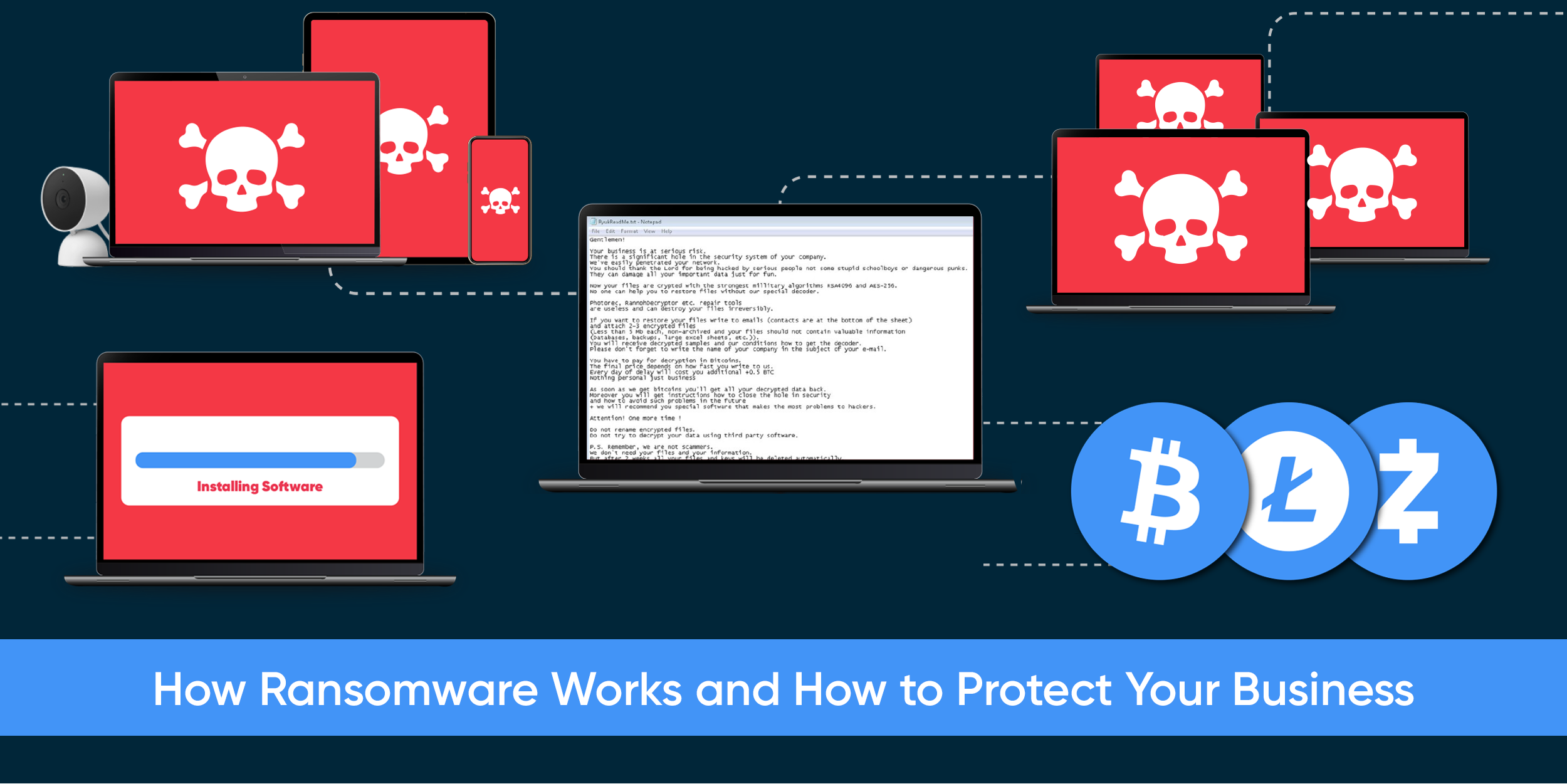
Ransomware is one of the most significant threats to your network and data, and its effects can be devastating. If you store a vast amount of data on your servers and share it through your network, it is crucial to find ways to protect yourself from a potential attack. With the rise of ransomware attacks, it is essential to understand the risks and take proactive measures to prevent and respond to such incidents.Ways to Protect Wi-Fi Network from Ransomware
Protecting your Wi-Fi network from ransomware is not a daunting task; it requires a combination of best practices, the right tools, and a thorough understanding of the network's vulnerabilities.Fix Common Network Weaknesses
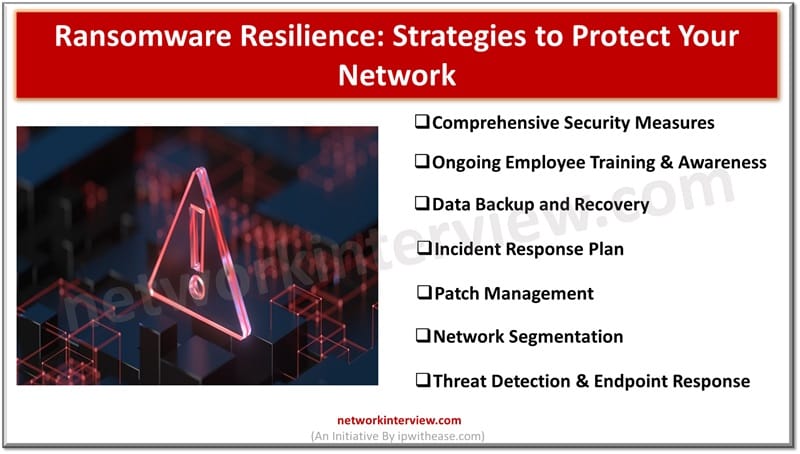
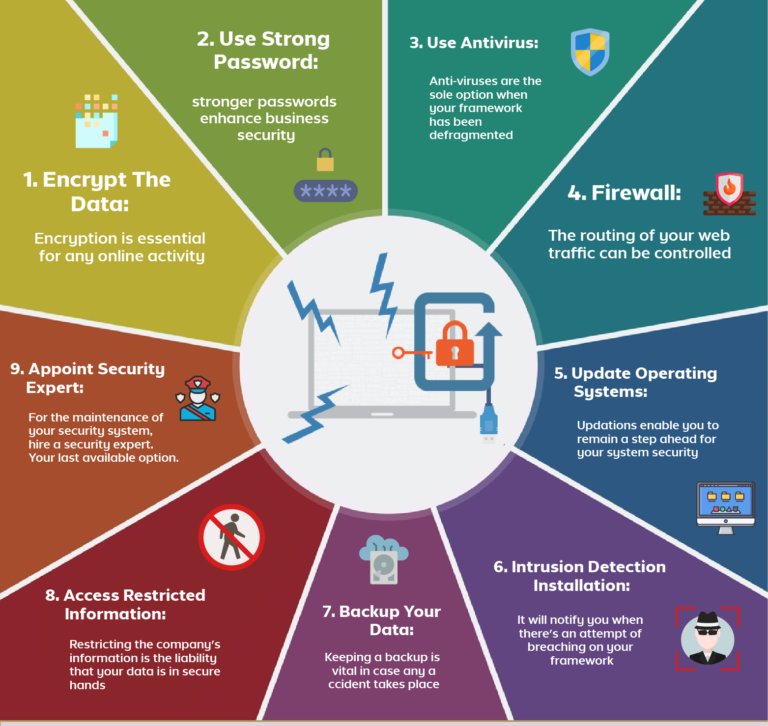
Start by identifying and addressing common network weaknesses, such as outdated software, unpatched vulnerabilities, and weak passwords. This is a crucial step in preventing ransomware attacks. By updating your software and patching vulnerabilities, you can reduce the risk of an attack.
Implement Zero Trust Security
A Zero Trust security approach assumes that all users and devices are potentially malicious and should be verified before granting access to the network. This approach can help prevent insider threats and lateral movement in case of an attack. Implementing Zero Trust security requires a robust authentication process, strict access controls, and continuous monitoring.
Use Network Segmentation
Network segmentation involves dividing the network into isolated segments to reduce the attack surface. This approach can help contain an attack to a specific segment of the network, minimizing the damage and improving incident response.
Use Wi-Fi Protected Access (WPA)
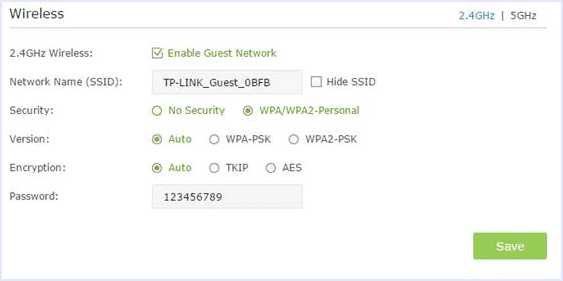
WPA is a robust security protocol that encrypts Wi-Fi data to prevent eavesdropping and unauthorized access. This protocol is an essential step in protecting your Wi-Fi network from ransomware attacks.
Run Regular Security Audits
Regular security audits can help identify vulnerabilities and weaknesses in your network. This is an essential step in preventing ransomware attacks and ensuring that your network is secure and compliant with industry standards.
Use a Secure Wi-Fi Router
Selecting a Wi-Fi router with the latest security protocols is essential in preventing ransomware attacks. Look for routers with built-in security features, such as firewalls and intrusion detection, to protect your network.
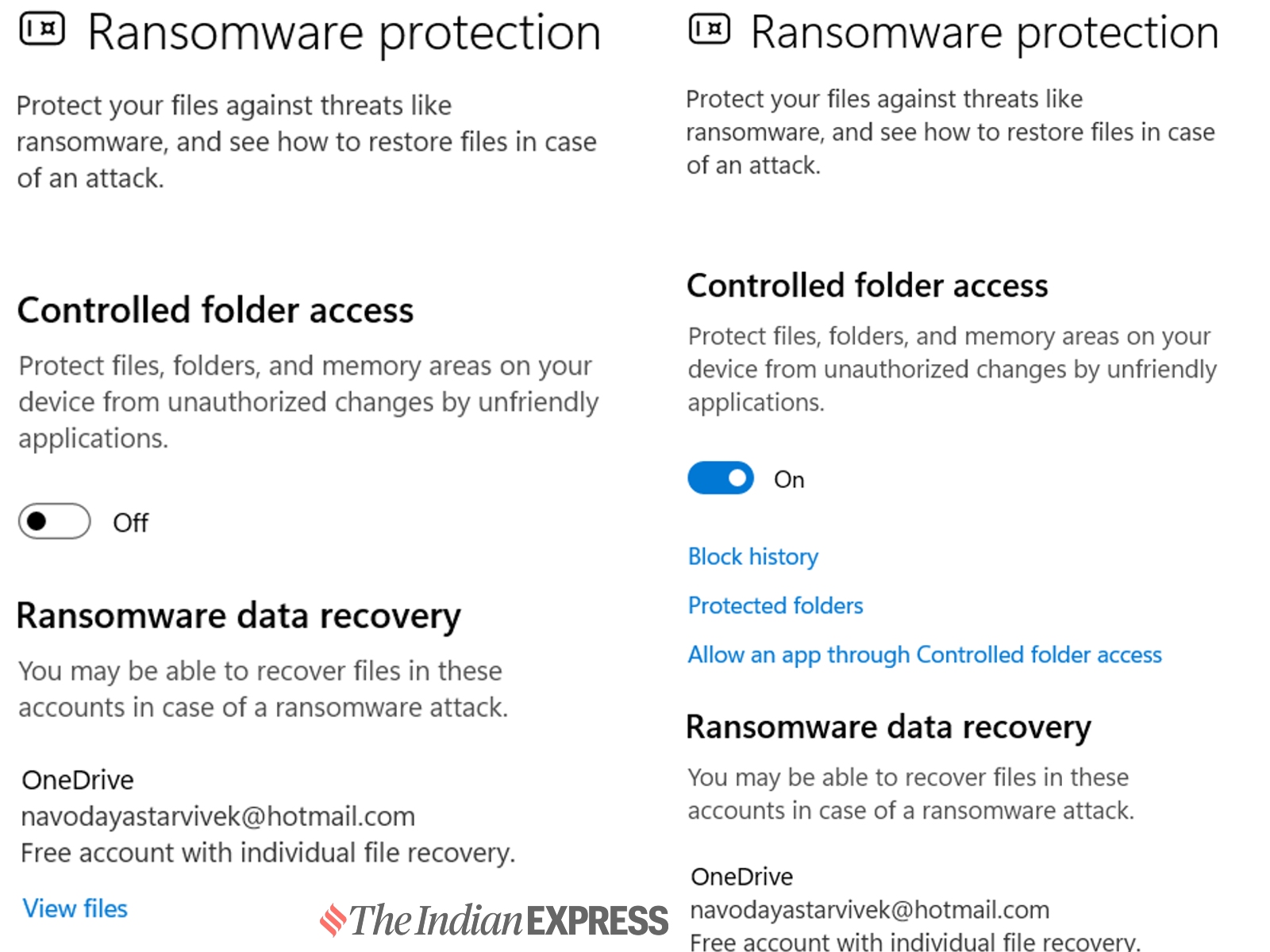
Train Users to Recognize Phishing Attempts
Phishing is one of the most common ways ransomware attacks enter a network. Training users to recognize phishing attempts and avoid suspicious emails and attachments can help prevent ransomware attacks.
Best Practices for Breach Containment, Real-Time Prevention, and Incident Response
Having a well-documented incident response plan in place can help you respond quickly and effectively in case of a ransomware attack. This plan should include procedures for breach containment, real-time prevention, and incident response.
Why Hackers Target Churches and How to Protect Congregations' Data
Hackers often target churches and other small organizations because they may lack robust security measures. However, these organizations can take steps to protect themselves by implementing robust security protocols, training users, and conducting regular security audits.
Protecting Your Home Wi-Fi Network: Tips and Tricks
Protecting your home Wi-Fi network is essential in preventing ransomware attacks and ensuring that your devices are secure. This can be achieved by turning off broadcasting in your router's settings, using WPA, and ensuring that your devices are secure.
Failing to protect against ransomware can result in significant consequences, including data loss, downtime, and compromised user trust. These consequences can be devastating for small organizations and home users.
Protecting your Wi-Fi network from ransomware requires a combination of best practices, the right tools, and a thorough understanding of the network's vulnerabilities. By taking proactive steps to prevent and respond to ransomware attacks, you can ensure that your network and data are secure and protected from cyber threats.