The Impact of Hyperconnectivity on Mental Health
The digital revolution has transformed the way we live, work, and interact with each other. With the rise of smartphones, social media, and instant communication technologies, we have become increasingly connected to the digital world. While this has brought numerous benefits, such as global communication and access to information, it has also had a profound impact on our mental health. In this article, we will explore the effects of hyperconnectivity on mental health, the role of social media in shaping emotional well-being, and practical strategies to reclaim control over digital life.
The Psychology of Hyperconnectivity
Hyperconnectivity refers to the state of being constantly connected to digital devices and the internet. This has led to a new lifestyle that improves human existence but may also cause negative impacts on one's physical or psychological health. The term "hyperconnectivity" gained traction in the early 2000s with the rise of smartphones and social media. Initially viewed as a productivity enhancer, tech overuse soon revealed negative effects on sleep, attention, and emotional regulation.
The Mental Health Impact of Hyperconnectivity
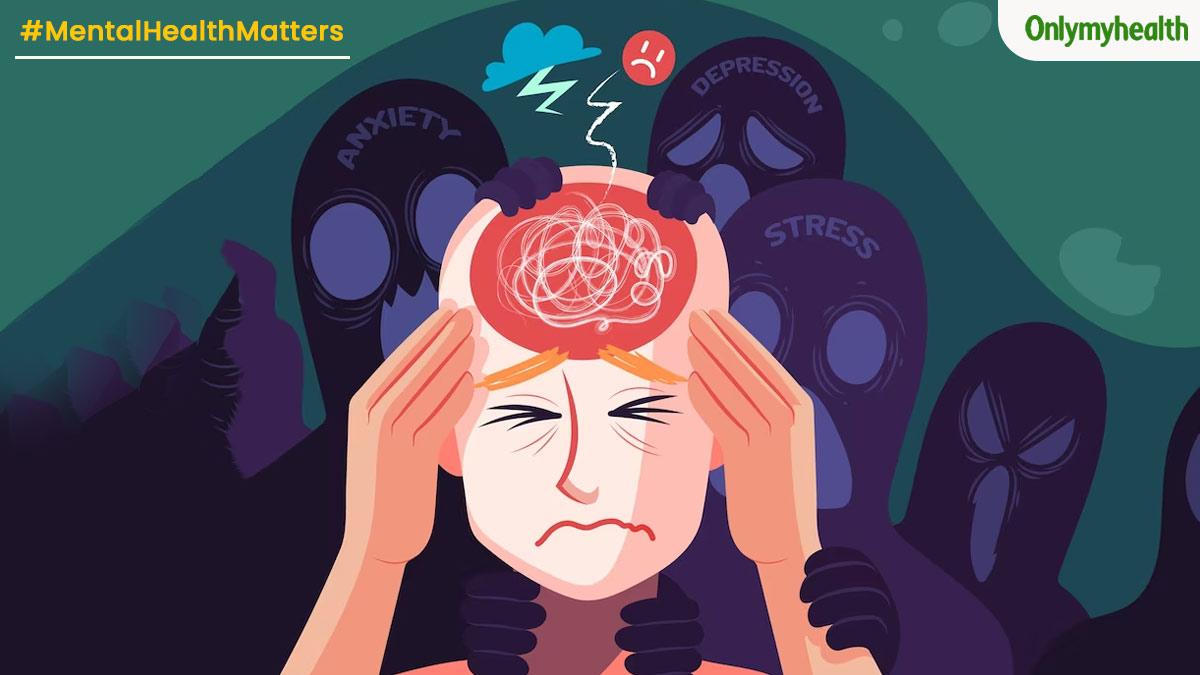
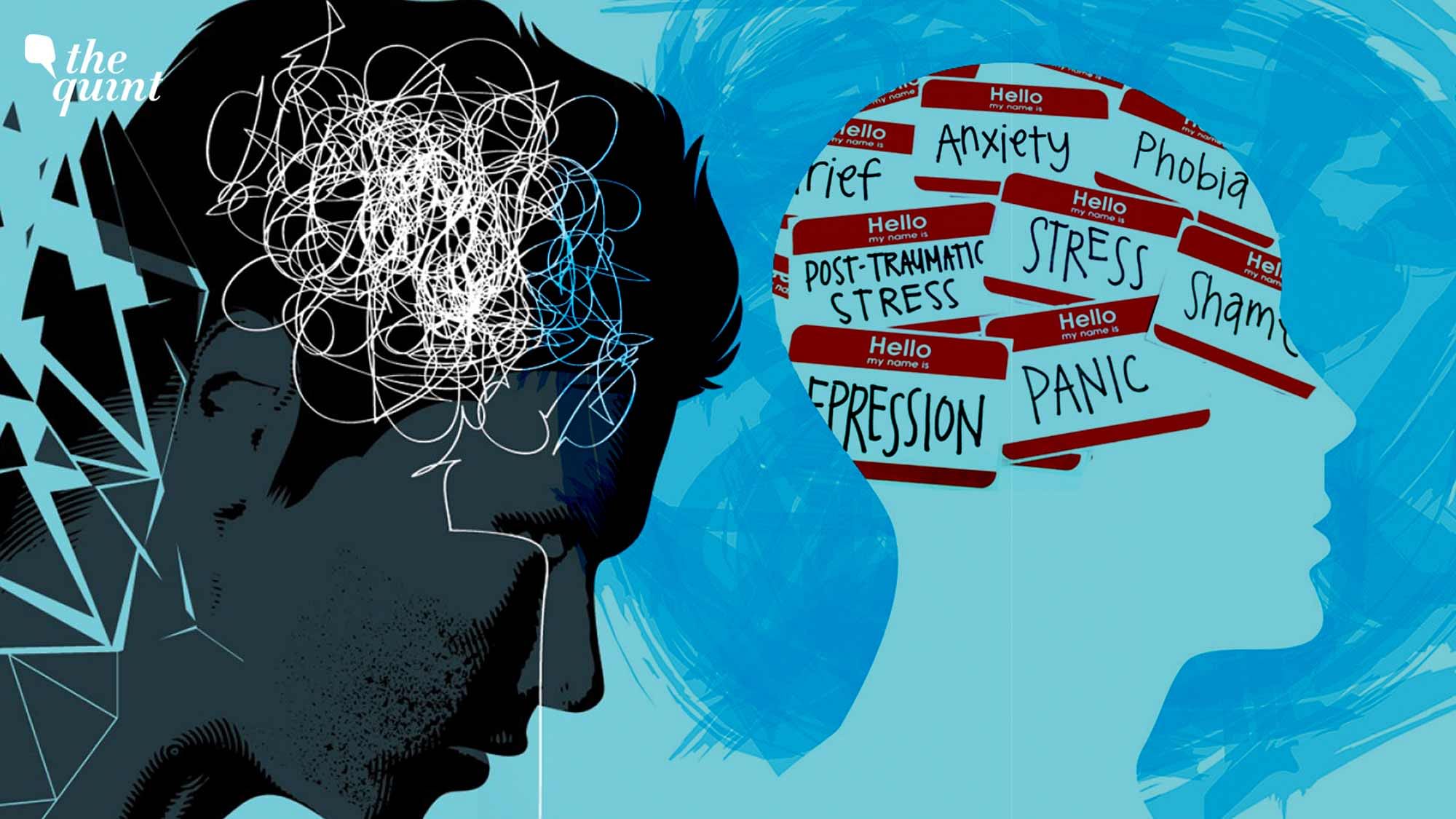
The effects of hyperconnectivity on mental health have been well-documented. Studies have shown that prolonged exposure to screens and social media can lead to anxiety, depression, loneliness, and poor sleep quality. Social media can be a great tool to connect with family and friends, but it's also been linked to depression, anxiety, and loneliness. The constant stream of information and the need to constantly be connected can lead to feelings of overwhelm and anxiety.
The Role of Social Media in Shaping Emotional Well-being
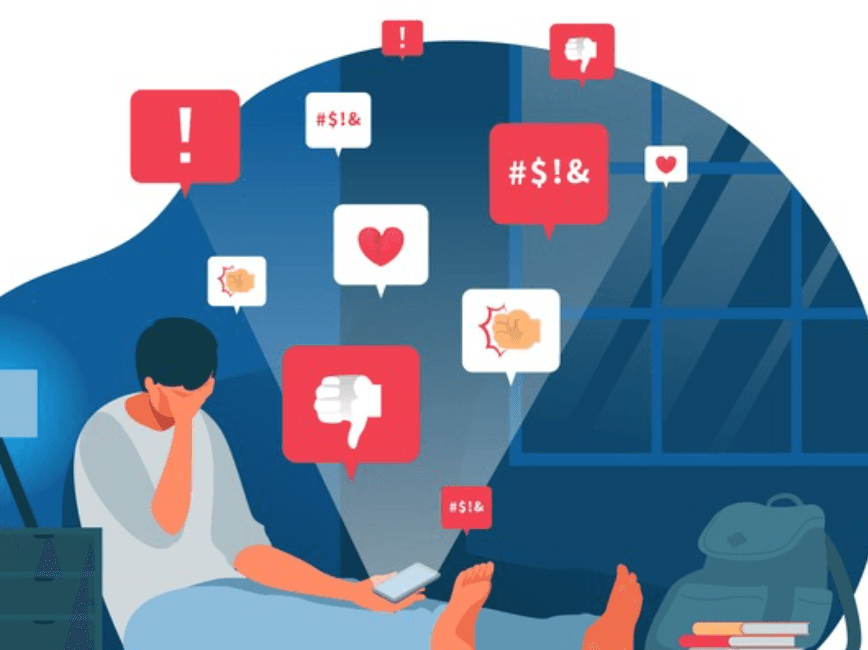
Social media plays a significant role in shaping our emotional well-being. The constant comparison and exposure to curated highlight reels can lead to feelings of inadequacy and low self-esteem. Additionally, the constant need for validation and likes can lead to an addiction to social media, further exacerbating mental health issues. Social media can also lead to social isolation, as people spend more time interacting with their devices than with real-life friends and family.
Practical Strategies to Reclaim Control Over Digital Life
Reclaiming control over digital life requires a combination of awareness building, healthier digital habits, and technology solutions that follow ethical standards. Here are some practical strategies to help you get started:
Set boundaries: Establish screen-free zones and times, such as during meals or before bed.
Practice digital literacy: Learn to critically evaluate the information you consume online, and avoid spreading misinformation.
Take breaks: Regularly disconnect from digital devices and engage in offline activities.
Seek support: Reach out to friends, family, or mental health professionals for help with digital-related mental health issues.
Use technology responsibly: Utilize tools that promote digital well-being, such as apps that track screen time or block distracting websites.
The Future of Hyperconnectivity and Mental Health
As we continue to navigate the digital world, it's essential to recognize the profound impact of hyperconnectivity on mental health. Educational institutions, policymakers, and tech companies must adapt to the changing landscape and prioritize digital well-being education. By doing so, we can create a future where technology enhances our lives without compromising our mental health.
Conclusion
The impact of hyperconnectivity on mental health is a pressing issue that requires immediate attention. By understanding the effects of hyperconnectivity and taking steps to reclaim control over digital life, we can mitigate the negative impacts of this technology. It's time to acknowledge the hidden mental health effects of continuous connection and work towards creating a more balanced and sustainable digital lifestyle.