Warning Signs of Device Addiction: A Growing Concern
Are you wondering if you're addicted to your devices? Perhaps you're concerned about your child's excessive screen time. In today's digital age, it's more important than ever to be aware of the symptoms of device addiction and take steps to prevent its negative consequences.
What is Device Addiction?
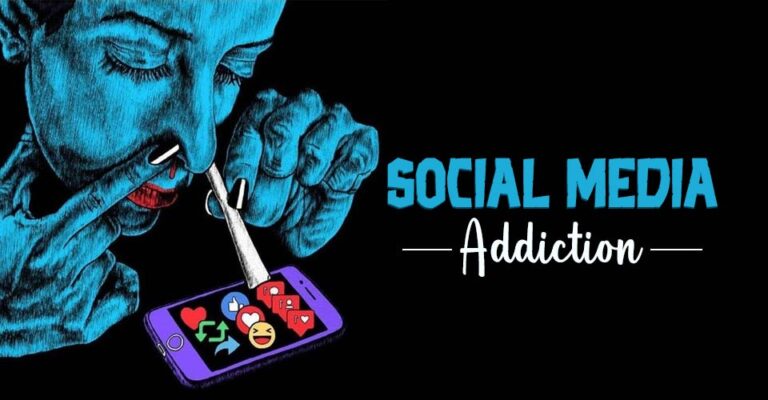
Device addiction, also known as technology addiction or digital addiction, refers to a behavioral addiction characterized by a compulsive and uncontrollable urge to use digital devices and platforms. It leads to significant negative consequences for an individual's mental health, physical well-being, relationships, and daily functioning.
Common Symptoms of Device Addiction
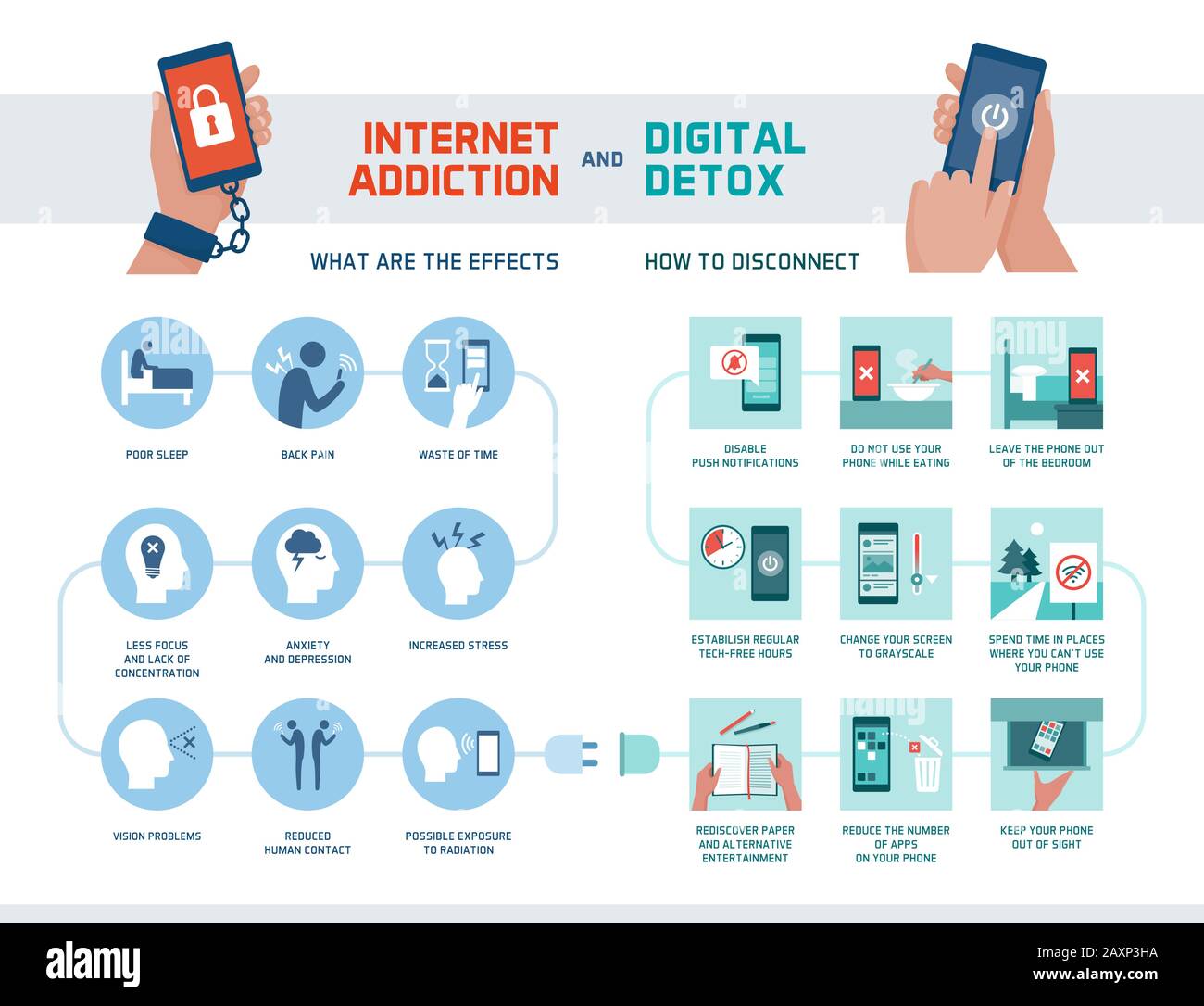
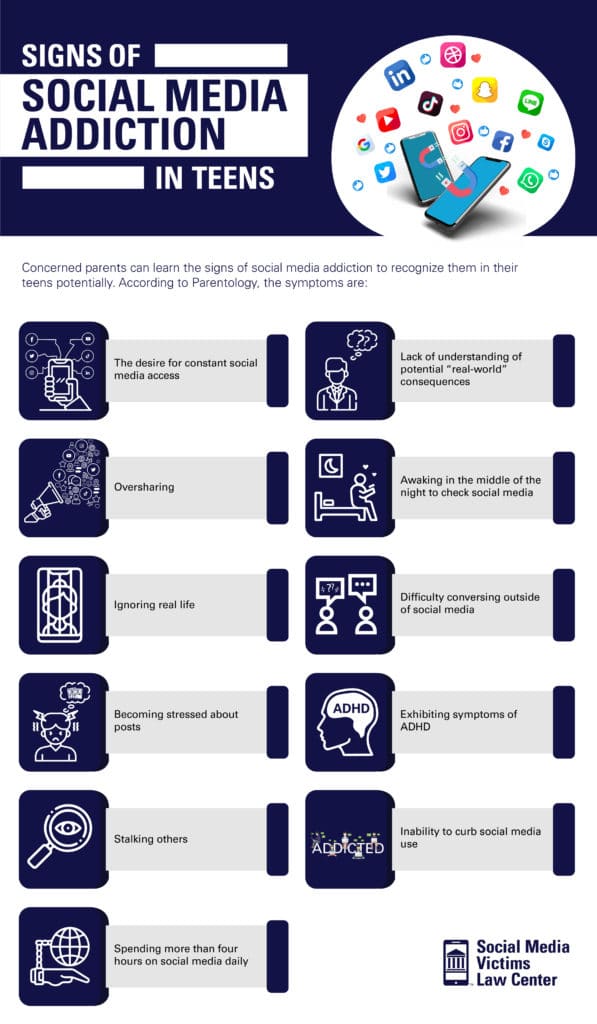
- Excessive use: Spending an inordinate amount of time on devices, often to the detriment of other activities and responsibilities.
- Compulsive checking for notifications: Feeling an irresistible urge to check social media, emails, or texts constantly.
- Preoccupation with device-related activities: Prioritizing device use over other activities, such as spending time with family and friends or engaging in hobbies.
- Withdrawal symptoms when access is restricted: Feeling anxious, irritable, or restless when unable to access devices.
- Neglecting in-person interactions: Favoring device use over face-to-face communication and deepening relationships.
- Challenges in self-care and daily responsibilities: Difficulty managing daily tasks, such as work, school, or household chores, due to excessive device use.
- Decreased attention span: Difficulty focusing on tasks or conversations due to the constant distraction of devices.
- Increased stress and anxiety: Feeling overwhelmed by the demands of device use and the pressure to stay connected.
- Physical health problems: Experiencing headaches, eye strain, or sleep problems due to excessive device use.
- Eroding relationships: Device addiction can lead to conflict with family and friends, as well as difficulty maintaining relationships.
Recognizing the Warning Signs
If you're wondering whether you or someone you know is struggling with device addiction, ask yourself these questions:

- Do you feel anxious or irritable when unable to access your device?
- Do you spend more than two hours per day on devices?
- Do you use devices to avoid feelings of anxiety or irritability?
- Do you neglect in-person interactions or relationships due to device use?
- Do you experience difficulty managing daily tasks or responsibilities due to device use?
Breaking the Cycle of Device Addiction
If you're concerned about device addiction, take the first step by acknowledging the problem and seeking support. Consider these strategies to help you or a loved one overcome device addiction:
- Establish device-free zones and times
- Set boundaries and guidelines for device use
- Engage in alternative activities and hobbies
- Practice mindfulness and self-care
- Seek professional help if needed
Conclusion
Device addiction is a growing concern that requires awareness and action. By recognizing the warning signs and taking steps to prevent and overcome device addiction, we can maintain a healthy balance between technology use and other aspects of our lives.