Secure Router IP Settings: Protecting Your Home Network from Cyber Threats
Are you aware of the security risks associated with your home router? Your router is the gatekeeper of your home network, but is it truly secure? Cybercriminals are always hunting for weak spots in your smart home and connected devices, and outdated router security settings could leave your entire network exposed. In this article, we'll discuss the importance of secure router IP settings and provide you with essential tips on how to protect your network.
The Importance of Secure Router IP Settings
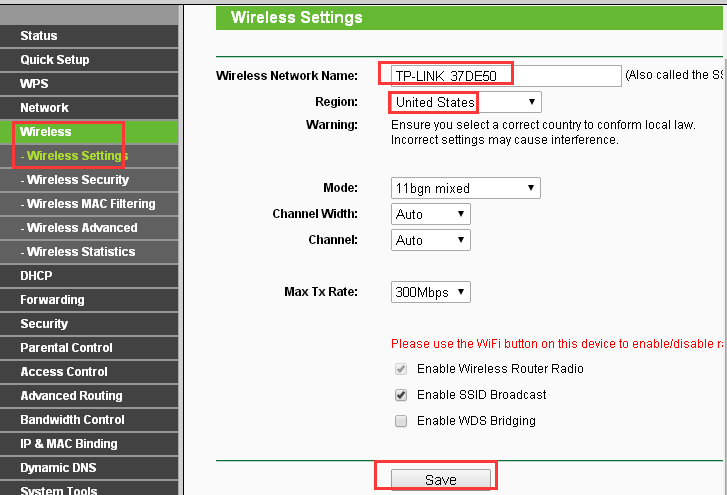
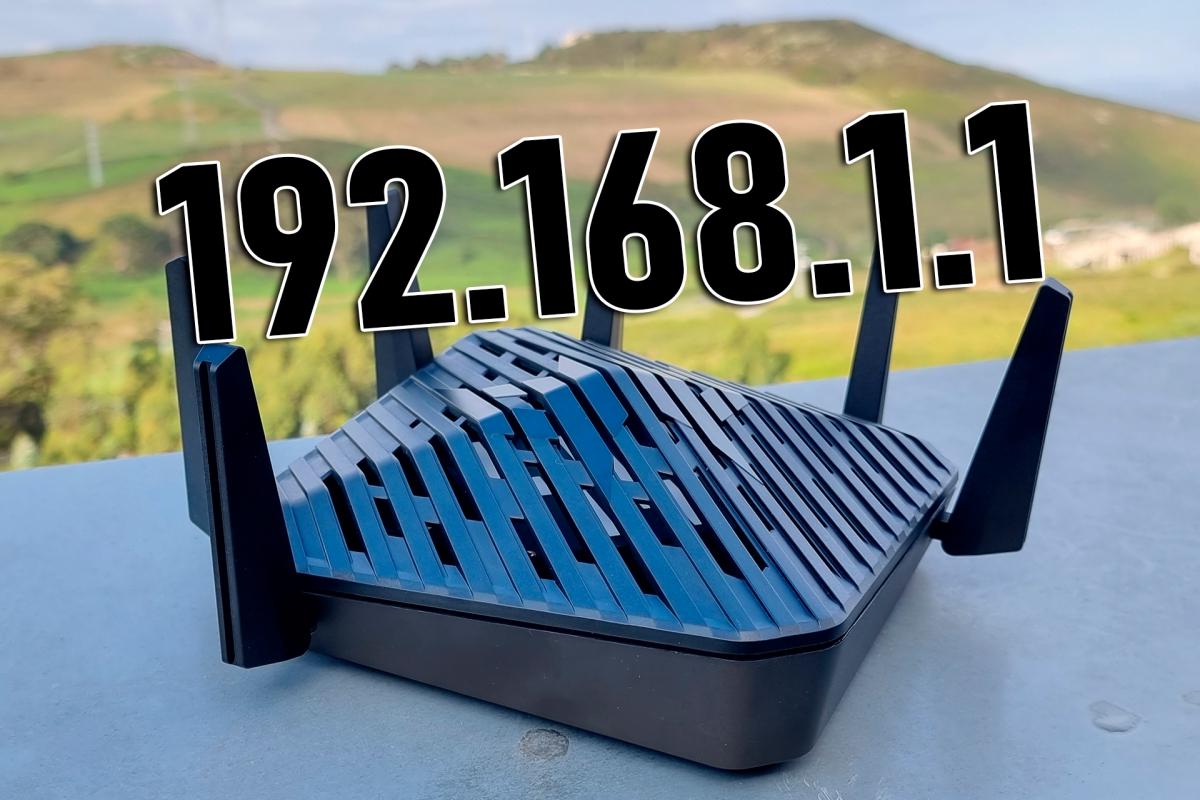
Your router's IP address, usually 192.168.1.1, hosts the login page for the administrator settings. From here, you can configure WiFi, update firmware, adjust security settings, and manage network devices. However, if you're using the default settings, you're putting your network at risk. Default settings can allow freeloading strangers to squeeze bandwidth and potentially commit crimes.
Essential Tips for Secure Router IP Settings
- Change the default login credentials: Using default login credentials, such as username and password, can make it easy for hackers to access your router. Change these to strong passwords and usernames to increase security.
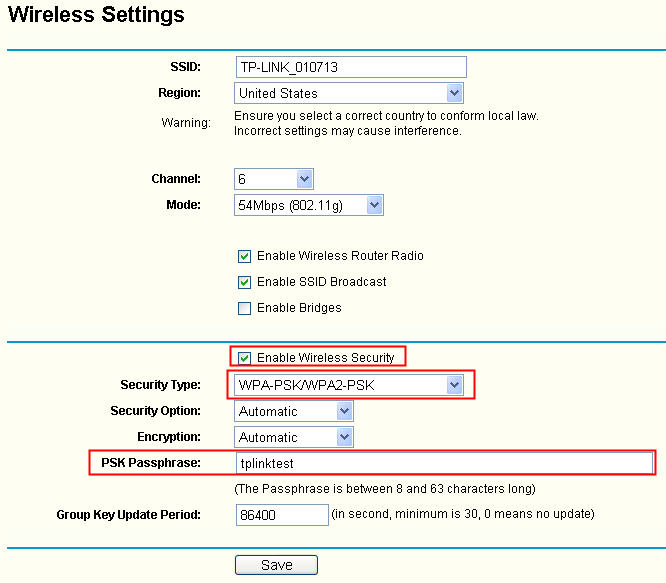
- Enable WPA3 encryption: WPA3 is the most secure type of Wi-Fi encryption. Enable it on your router to protect your network from unauthorized access.
- Update firmware regularly: Regular firmware updates provide security patches and improve performance. Make sure to update your router's firmware to stay protected.
- Change the admin password: The admin password is usually set to a default value. Change it to a strong password to prevent unauthorized access.
- Enable port forwarding: Port forwarding allows you to open specific ports for devices, such as game consoles or security cameras, to improve performance and security.
- Use strong passwords: Use strong, unique passwords for your router and any connected devices to prevent unauthorized access.
- Disable Remote Access: Disabling remote access to your router's web interface prevents hackers from accessing your settings remotely.
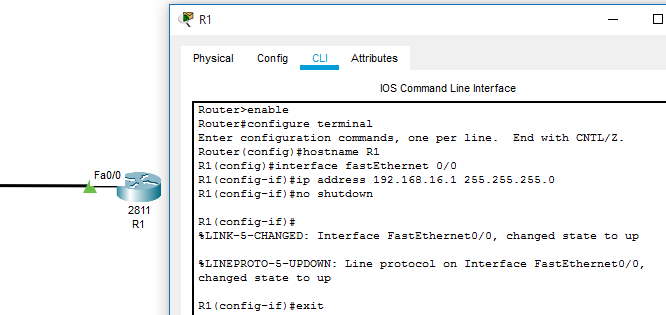
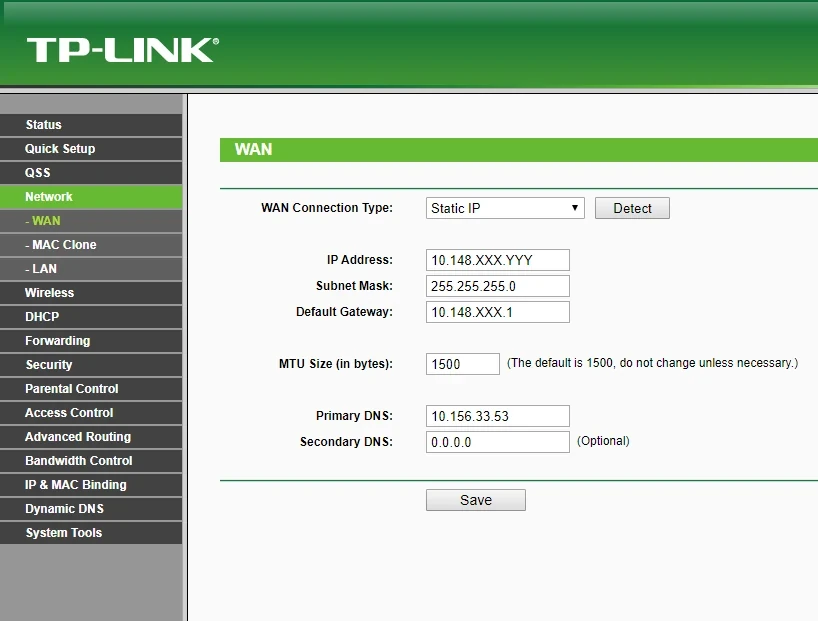
- Configure your router's DHCP settings: In your router's DHCP settings, set a range that covers only the number of devices you typically use. Alternatively, manually assign static IP addresses to your key devices.
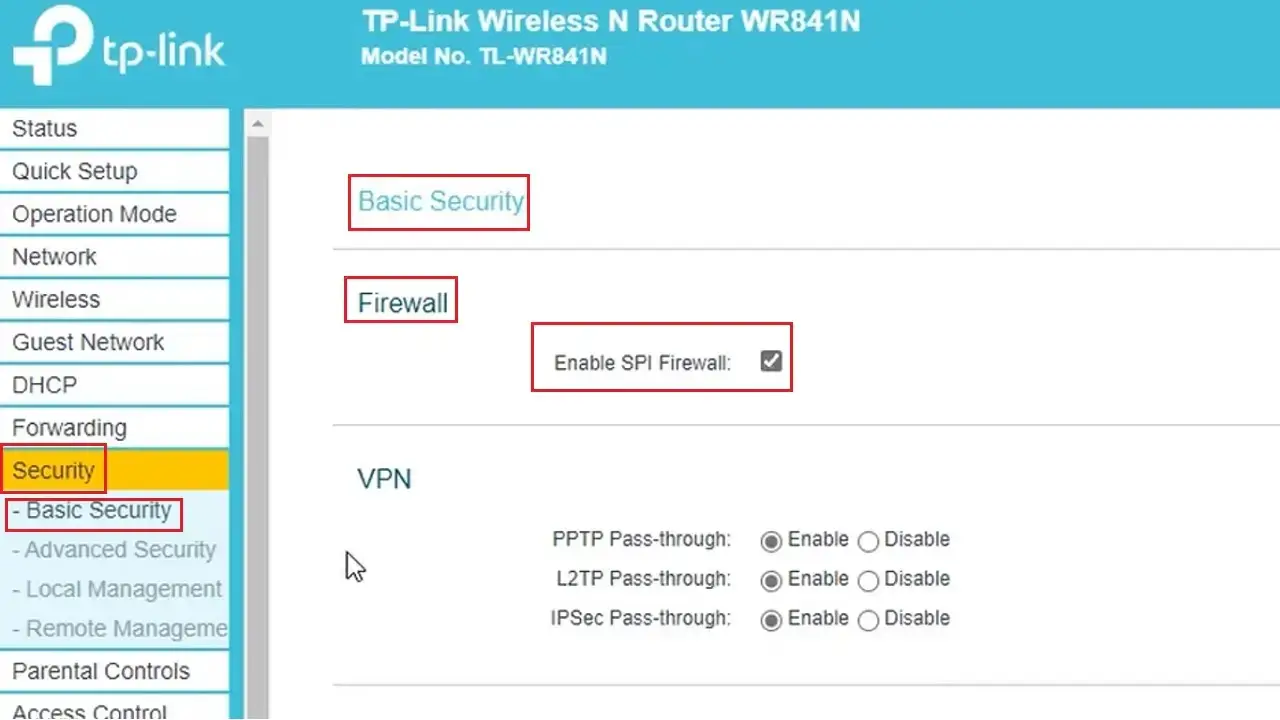
Accessing Your Router's Admin Panel
To access your router's admin panel, follow these steps: 1. Connect to your home network 2. Open a web browser and type in your router's IP address (usually 192.168.1.1) 3. Enter your username and password 4. Navigate to the settings you want to change or configure Note: The IP address and login credentials may vary depending on your router model and brand.
Conclusion
Secure router IP settings are crucial for protecting your home network from cyber threats. By following these essential tips and configuring your router's settings, you can safeguard your data and ensure a secure online experience. Remember to regularly update your firmware, change default settings, and use strong passwords to stay secure. By taking these steps, you can ensure a safe and secure home network.
![[Wireless] How to make my router more secure? - ASUS](https://manuals.plus/wp-content/uploads/2022/11/Dray-Tek-VDSL2-Security-Router-FIG-27.png "[Wireless] How to make my router more secure? - ASUS")




![[Wireless Router] How do I enter my ASUS router's setting page using ...](https://en.ipshu.com/sites/default/files/field/image/1_139.jpg "[Wireless Router] How do I enter my ASUS router's setting page using ...")