Protecting Your Online Presence from Cyberbullying
What is Cyberbullying?
Cyberbullying is a form of bullying that takes place over digital devices like cell phones, computers, and tablets. It can occur through SMS, text, and apps, or online in social media, forums, or gaming where people can view, participate in, or share content. Cyberbullying can range from embarrassing or cruel online posts or digital pictures, to online threats, harassment, and negative comments, to stalking through emails, websites, social media platforms, and text messages.Why is Cyberbullying Protection Important?
Cyberbullying can have serious effects on mental health, affecting how people think about themselves, leading to low self-esteem and a negative self-image. It can happen anywhere online, on social media, through emails, or in online games. Protecting your online presence from cyberbullying is essential to ensure that you or your child feel safe, sad, or lonely while online.Warning Signs of Cyberbullying
Before you can protect your online presence from cyberbullying, you need to recognize the warning signs. These may include:- Unwanted messages, comments, or emails
- Embarrassing or cruel online posts or digital pictures
- Online threats, harassment, and negative comments
- Stalking through emails, websites, social media platforms, or text messages
- Withdrawing from social activities or avoiding online interactions
- Increased anxiety, depression, or self-doubt
How to Protect Your Child from Cyberbullying
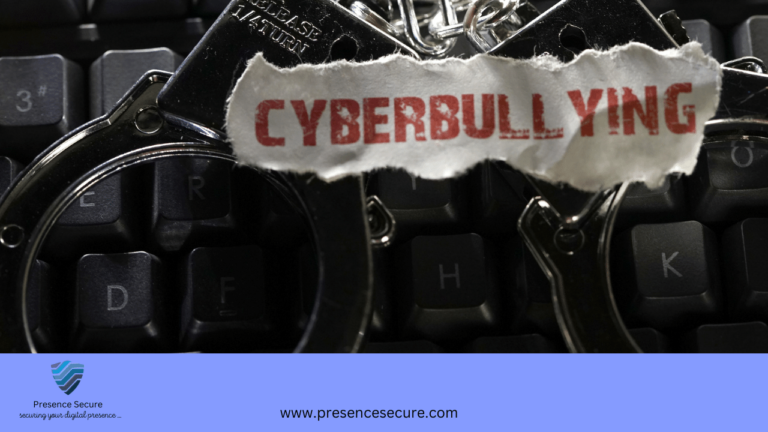
- Explain what cyberbullying is: Take time to explain that cyberbullying is repeated and unwanted mean or hurtful words or behavior that happens online.
- Monitor online activity: Keep an eye on your child's online activity, including their social media accounts and messaging apps.
- Set boundaries and rules: Discuss online safety rules and boundaries with your child, such as not accepting friends they don't know in person or not sharing personal details online.
- Be approachable: Encourage your child to come to you if they experience or witness cyberbullying.
- Document incidents: Keep a record of any incidents, including screenshots and dates, to report to the relevant authorities if necessary.
- Seek help when needed: Don't hesitate to contact the authorities, a school counselor, or a trusted adult if you suspect your child is experiencing cyberbullying.
How to Protect Yourself from Cyberbullying
As an adult, it's equally essential to protect yourself from cyberbullying. Here are some strategies to help you do so:- Practice self-confidence: Focus on building your self-esteem to make you less vulnerable to cyberbullying.
- Be selective online: Be mindful of the information you share online and limit your sharing to trusted individuals and platforms.
- Block or report trolls: Block or report individuals who relentlessly bully or harass you online.
- Seek support: Reach out to friends, family, or a professional counselor if you experience online harassment.
- Monitor online presence: Be aware of your online presence, and regularly review your social media and email accounts to remove any suspicious content.
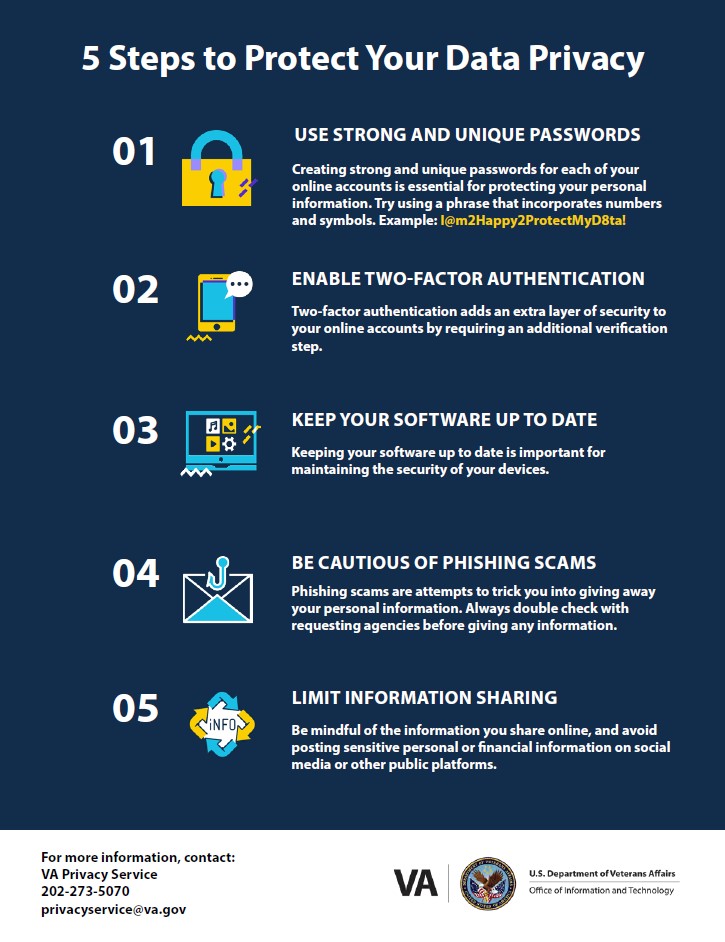
- Secure your devices: Keep your device's operating system and security software up-to-date, and consider using a password manager and anti-virus software.