Protecting against Malware on Windows 7: A Comprehensive Guide
As one of the most popular operating systems of its time, Windows 7 continues to be used by many despite the official end of support in 2020. However, with the increasing threat of malware and other online dangers, protecting your Windows 7 device is more crucial than ever. In this article, we will explore the importance of protecting against malware and provide practical steps to safeguard your device.
Why is Malware Protection Important?
Malware, short for "malicious software," includes viruses, spyware, and other potentially unwanted software that can compromise your device's security. If not detected and eliminated, malware can steal your personal data, lock your files, spy on your activity, or even destroy everything you have worked on. In this guide, we will discuss the need for malware protection on Windows 7 and introduce you to the best antivirus tools available.
Windows 7 Built-in Security Features
While Windows 7 has some built-in security features, such as Windows Firewall and User Account Control (UAC), having a robust third-party antivirus software is crucial to avoid malware attacks and other problems. Using a reputable antivirus program will provide an additional layer of protection against viruses, spyware, and other online threats.
Best Free Antivirus Software for Windows 7
If you're looking for a free antivirus program for Windows 7, here are some top options to consider:
- Panda Antivirus: A free antivirus tool that offers real-time malware detection and virus prevention.
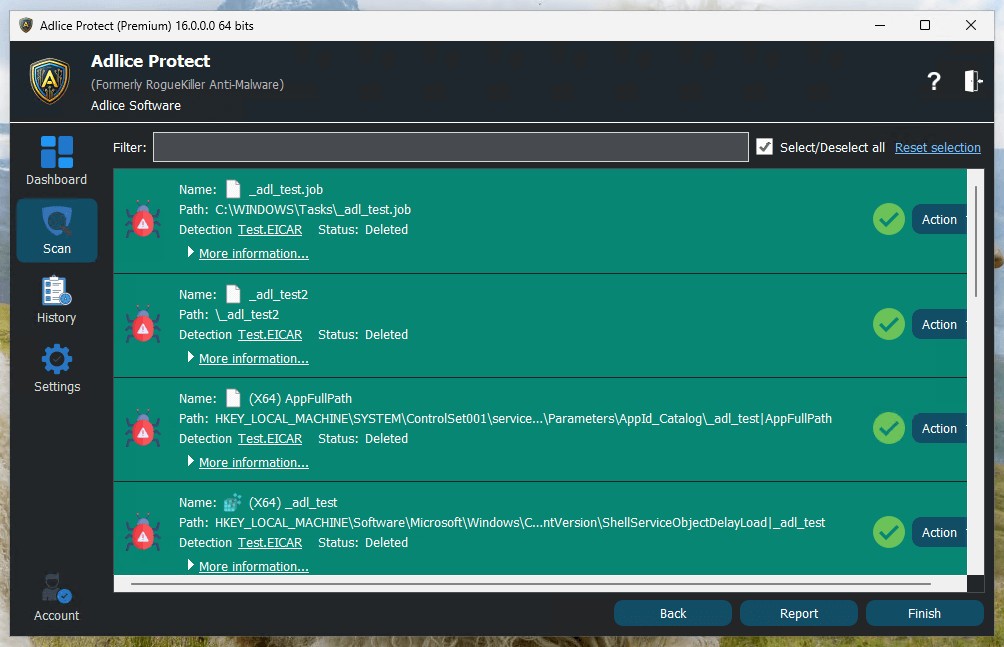
- Malwarebytes: A powerful anti-malware software that detects and removes malware, including adware, spyware, and other types of threats.
- HitmanPro: An anti-malware protection tool that detects and removes ransomware, spyware, adware, and malicious viruses.
Additional Tips to Protect against Malware
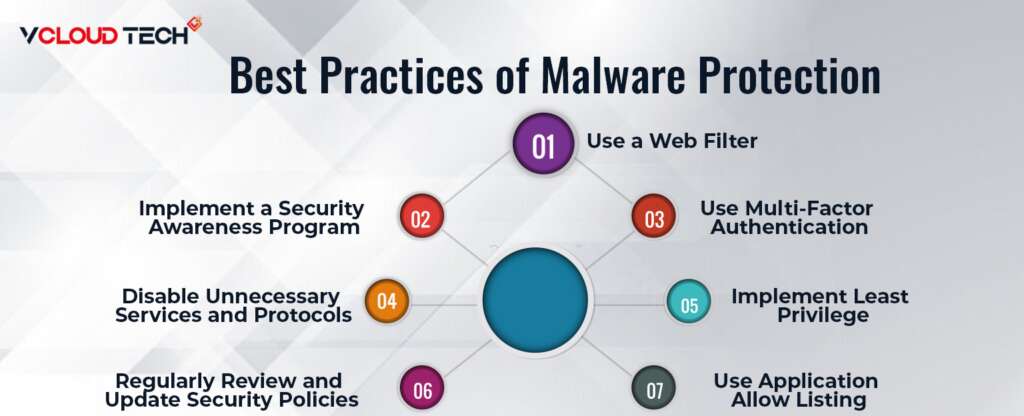
To ensure comprehensive protection against malware on Windows 7, follow these additional tips:
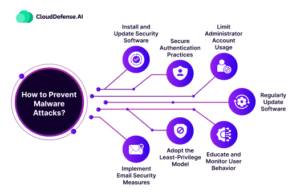
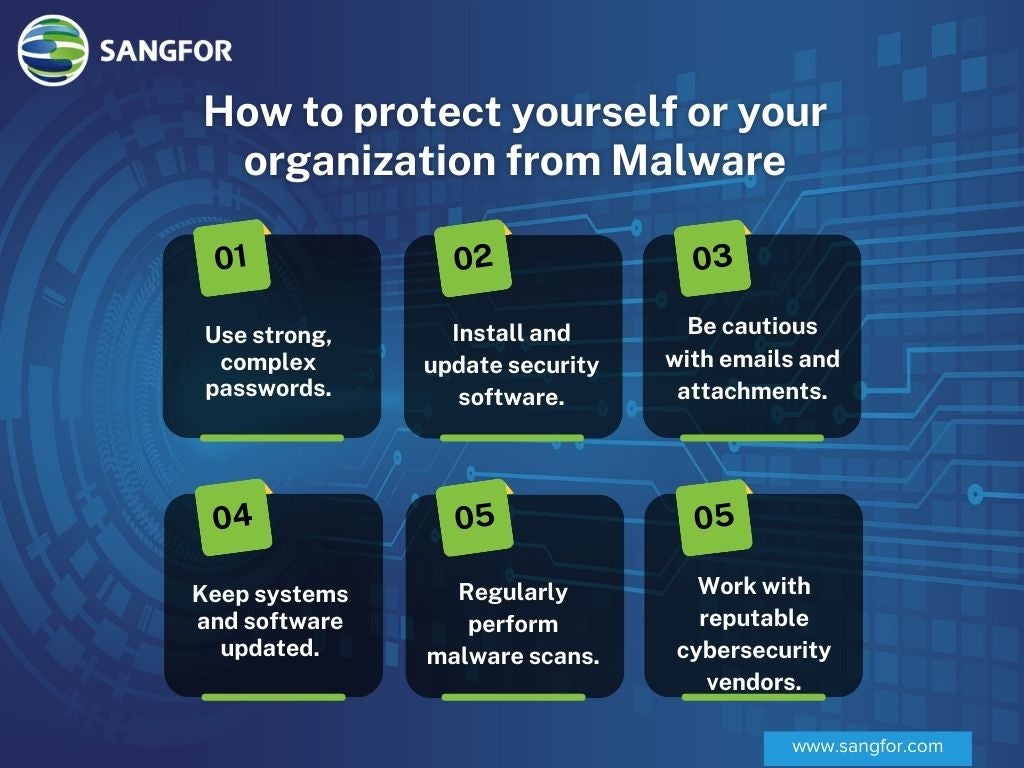
- Keep your operating system and software up-to-date with the latest security patches.
- Use strong passwords and secure protocols when connecting to public Wi-Fi networks.
- Be cautious when opening email attachments and downloading files from unknown sources.
- Use antivirus software that includes anti-phishing and web protection.
- Regularly back up your important files to an external drive or cloud storage.
Conclusion
Protecting against malware on Windows 7 requires a combination of awareness, best practices, and robust antivirus software. By following the tips outlined in this guide and choosing a reputable antivirus tool, you can enjoy a safer and more secure computing experience. Remember, it's essential to stay vigilant and up-to-date to protect against the ever-evolving threat of malware and other online dangers.
Additional Resources
For more information on malware protection and security, refer to the following resources:
![11 Best Antivirus for Windows 7 [Free Download/ Trial]](https://image.slidesharecdn.com/protectfrommalware-161215091615/85/How-To-Protect-From-Malware-18-320.jpg "11 Best Antivirus for Windows 7 [Free Download/ Trial]")