The Ultimate Guide to Troubleshooting Your Network with a Router
Having a stable and reliable home network is crucial in today's digital age. A network connection is essential for streaming, online gaming, and remote work. However, network issues can arise due to various reasons, including a malfunctioning router. In this article, we'll provide a comprehensive guide on how to troubleshoot your network with a router, including common problems and solutions.
Why is My Router Not Working?
If your router is not working, it can be frustrating and disrupt your daily activities. The first step in troubleshooting is to understand the common causes of network issues. Some of the most common problems include:
- Firmware issues
- Wi-Fi connectivity problems
- Router configuration errors
- Malfunctioning network devices
- Incorrect network settings
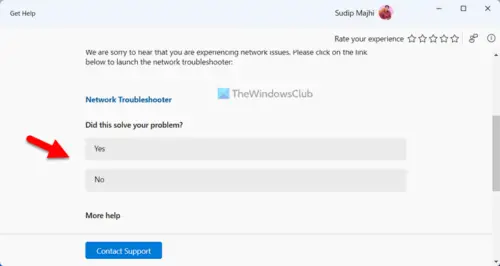
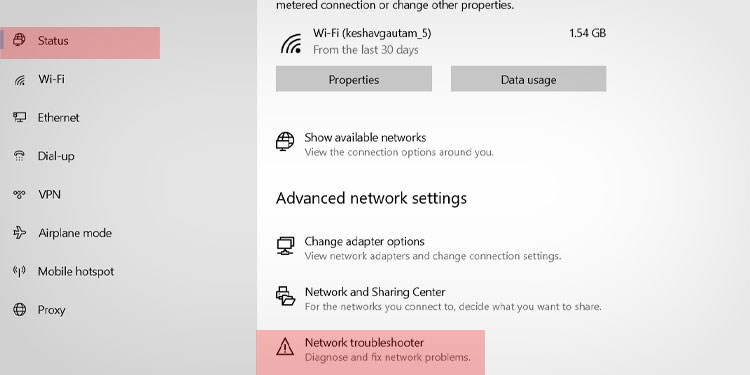
Step 1: Run the Network Troubleshooter for Router
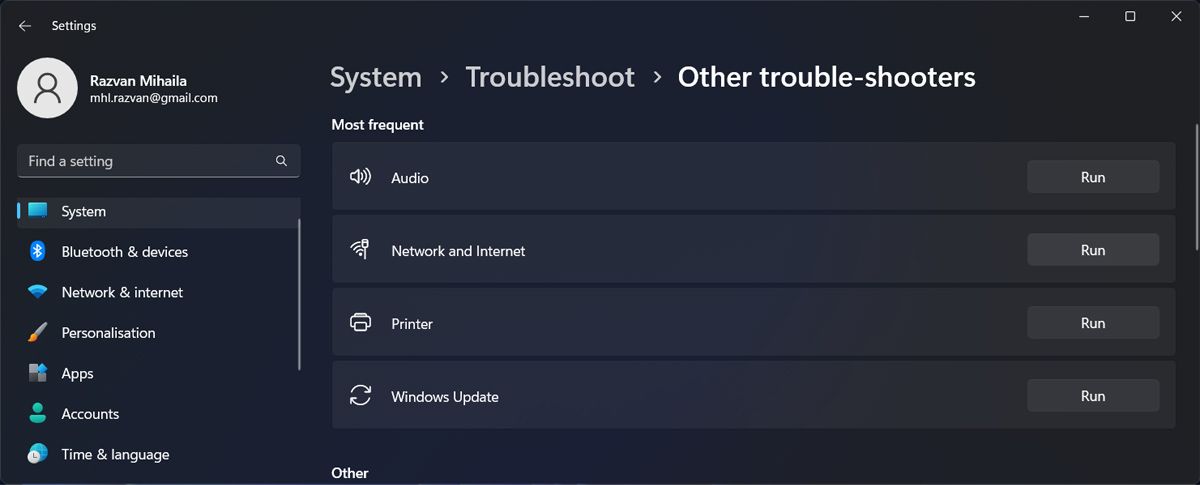
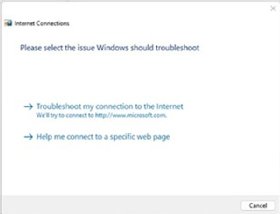
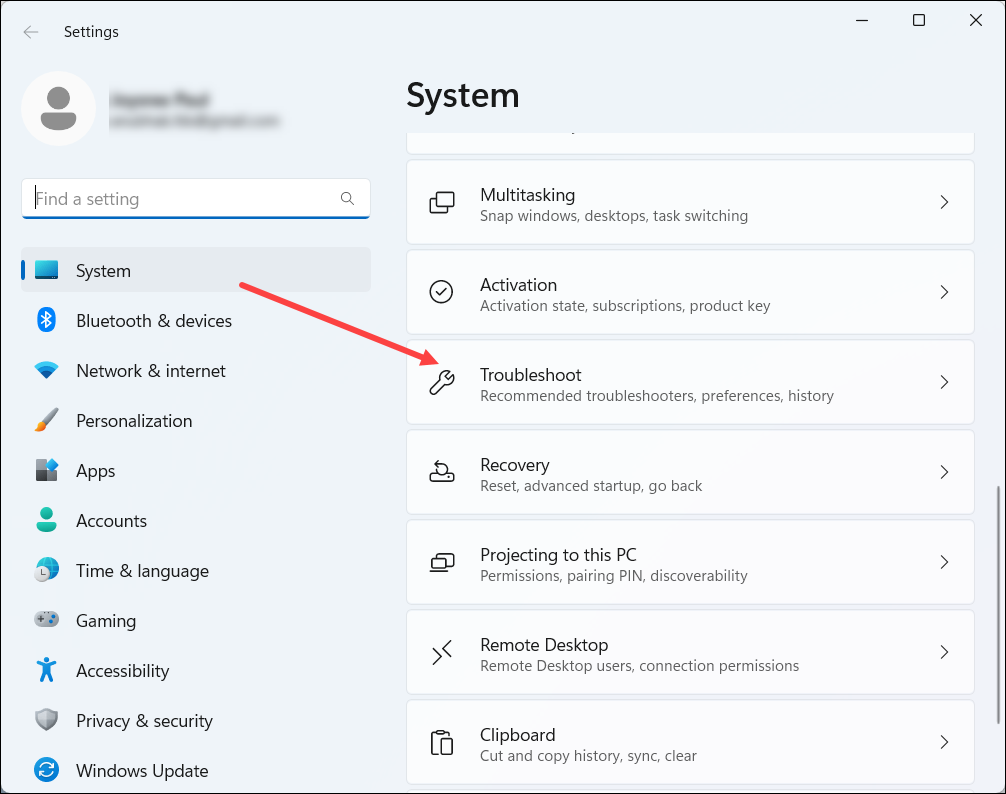
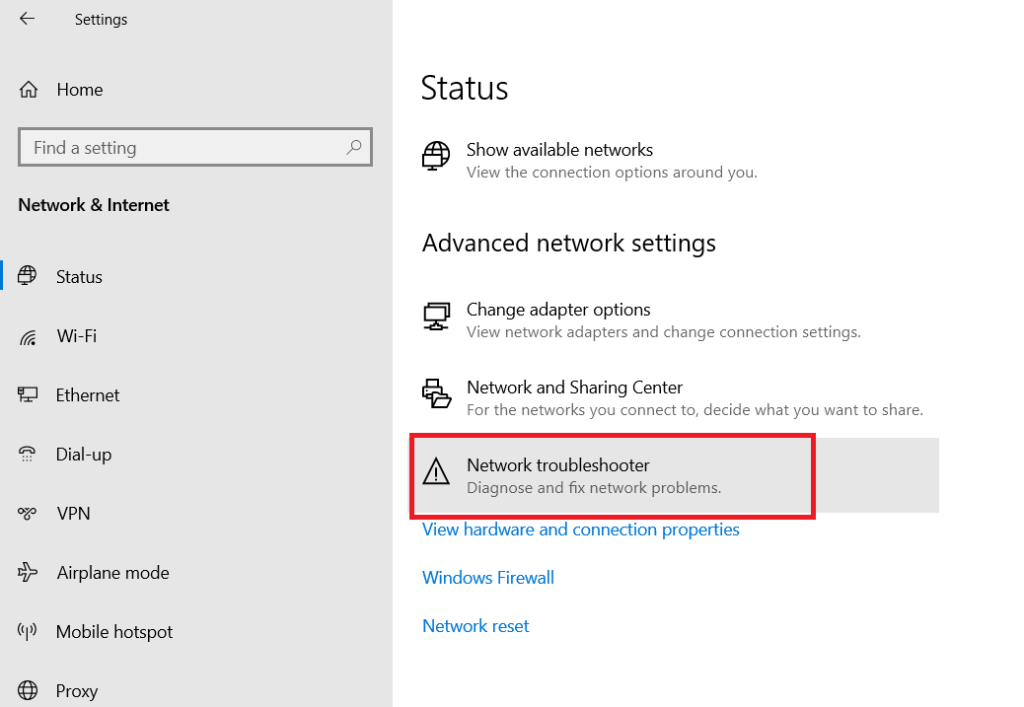
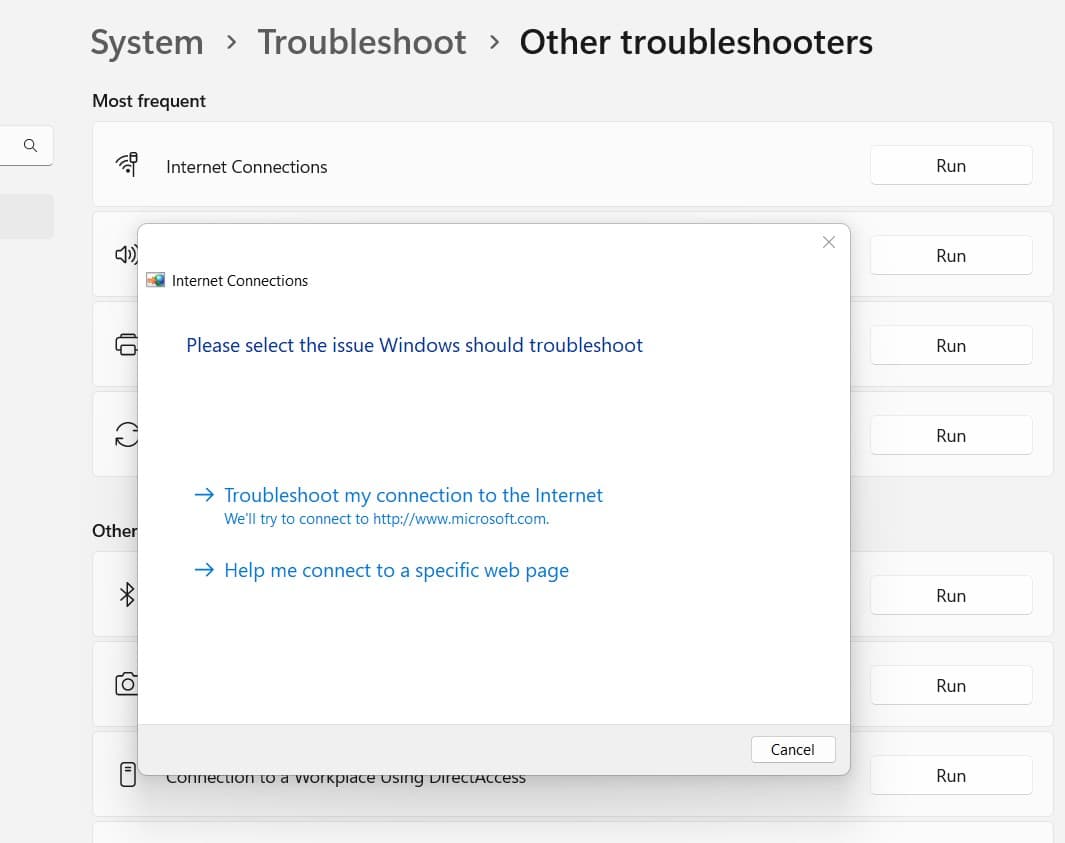
For Windows 11 users, start by running the automated Network and Internet troubleshooter in the Get Help app. This will automatically run diagnostics and attempt to fix most of the problems. If you're using an older version of Windows or a mobile device, please skip to the general troubleshooting steps.
The Network troubleshooter for router can help you identify and fix common network issues, including:
- Connection problems
- Router configuration errors
- Firmware issues
- Malfunctioning network devices
Step 2: Check Your Network Settings
Incorrect network settings can cause connectivity issues. To troubleshoot your network settings, follow these steps:
- Open the Network and Sharing Center
- Click on Change adapter settings
- Select the network adapter you're using
- Click on Properties
- Check the IP address, subnet mask, and default gateway

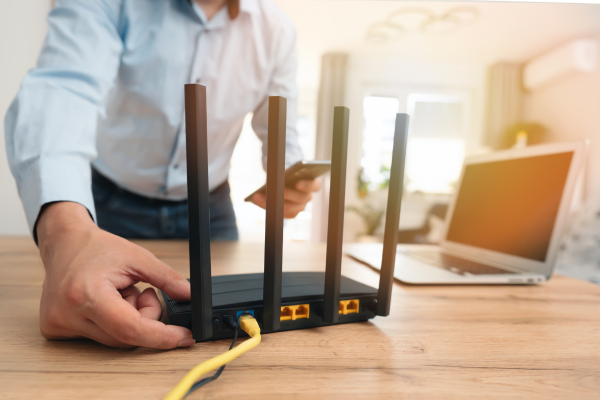
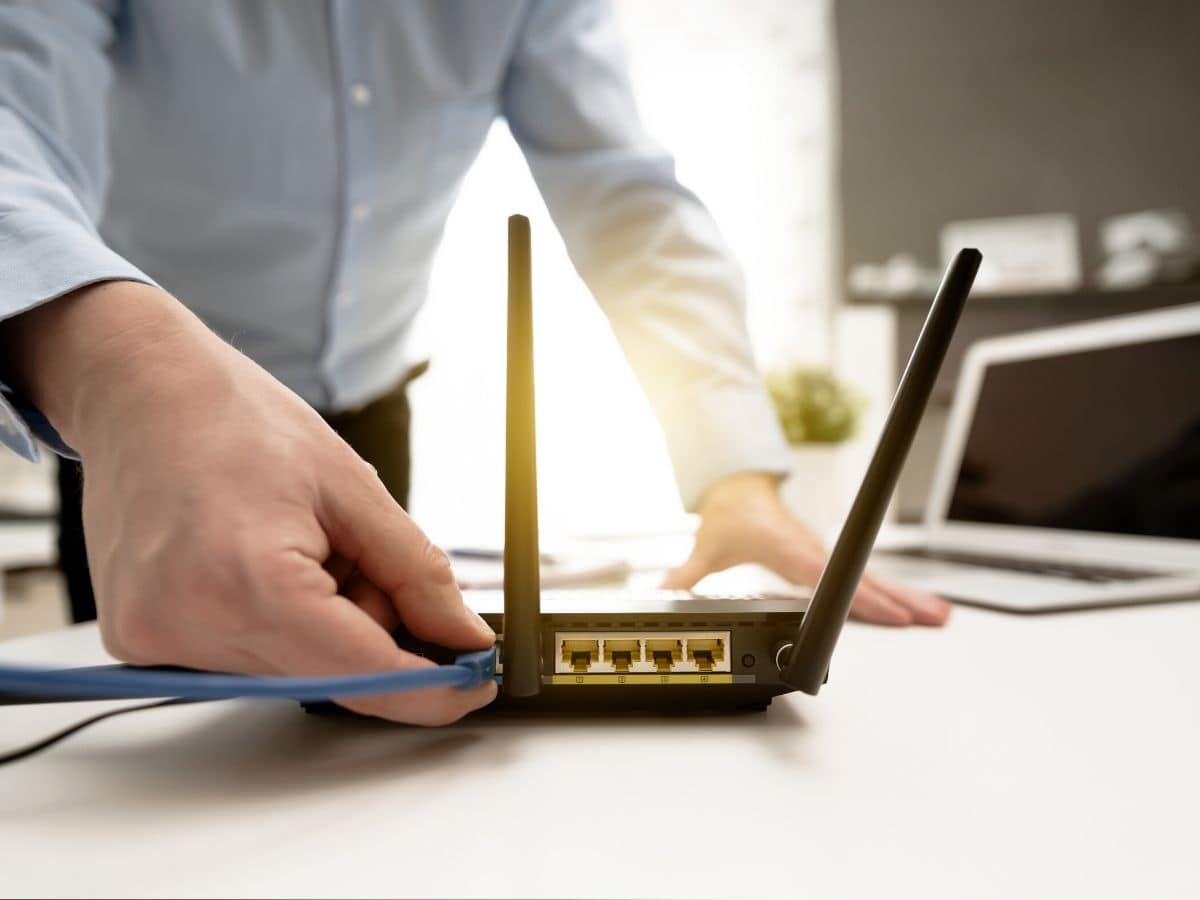
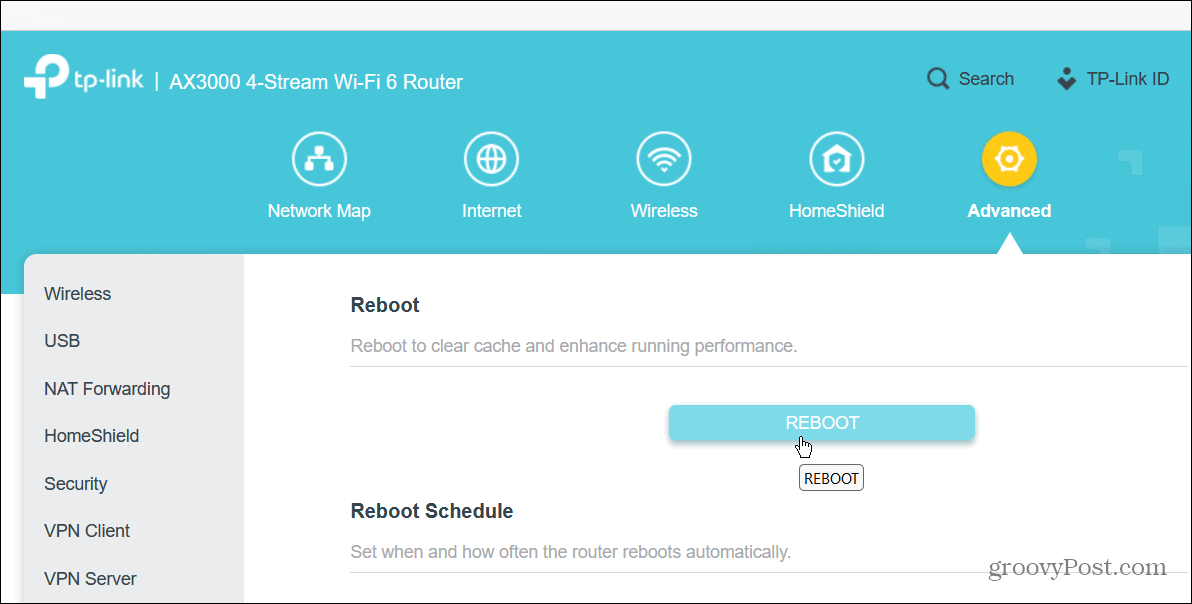
Step 3: Restart Your Router
Restarting your router can resolve temporary conflicts and fix connectivity issues. To restart your router, follow these steps:
- Unplug the power cord from the back of the router
- Wait for 30 seconds
- Plug the power cord back in
Step 4: Update Your Router Firmware
Firmware issues can cause network problems. To update your router firmware, follow these steps:
- Login to your router's web interface
- Click on Firmware update
- Follow the instructions to download and install the latest firmware
Step 5: Reset Your Router
Resetting your router can restore it to its factory settings and resolve network issues. To reset your router, follow these steps:
- Find the reset button on the back of the router
- Press and hold the reset button for 10 seconds
- Release the reset button
Conclusion
Troubleshooting your network with a router can be a daunting task, but with the right steps, you can identify and fix common network issues. Remember to run the Network troubleshooter for router, check your network settings, restart your router, update your router firmware, and reset your router if necessary. By following these steps, you can restore your network's functionality and enjoy a stable and reliable connection.