Managing Divided Attention at Home: A Guide to Boosting Productivity
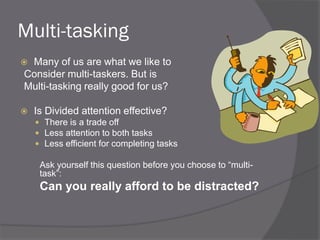
Living in today's fast-paced world, it's easy to get caught up in the idea that multitasking is a key to increased productivity. After all, who hasn't tried to accomplish multiple tasks at once, thinking that it will save time and get more done? However, research shows thatdivided attentionat home can actually have the opposite effect, decreasing accuracy, speed, and overall performance. In this article, we'll explore the concept of managingdivided attentionat home and provide you with practical tips to help you reclaim your focus and boost productivity.
Understanding Divided Attention
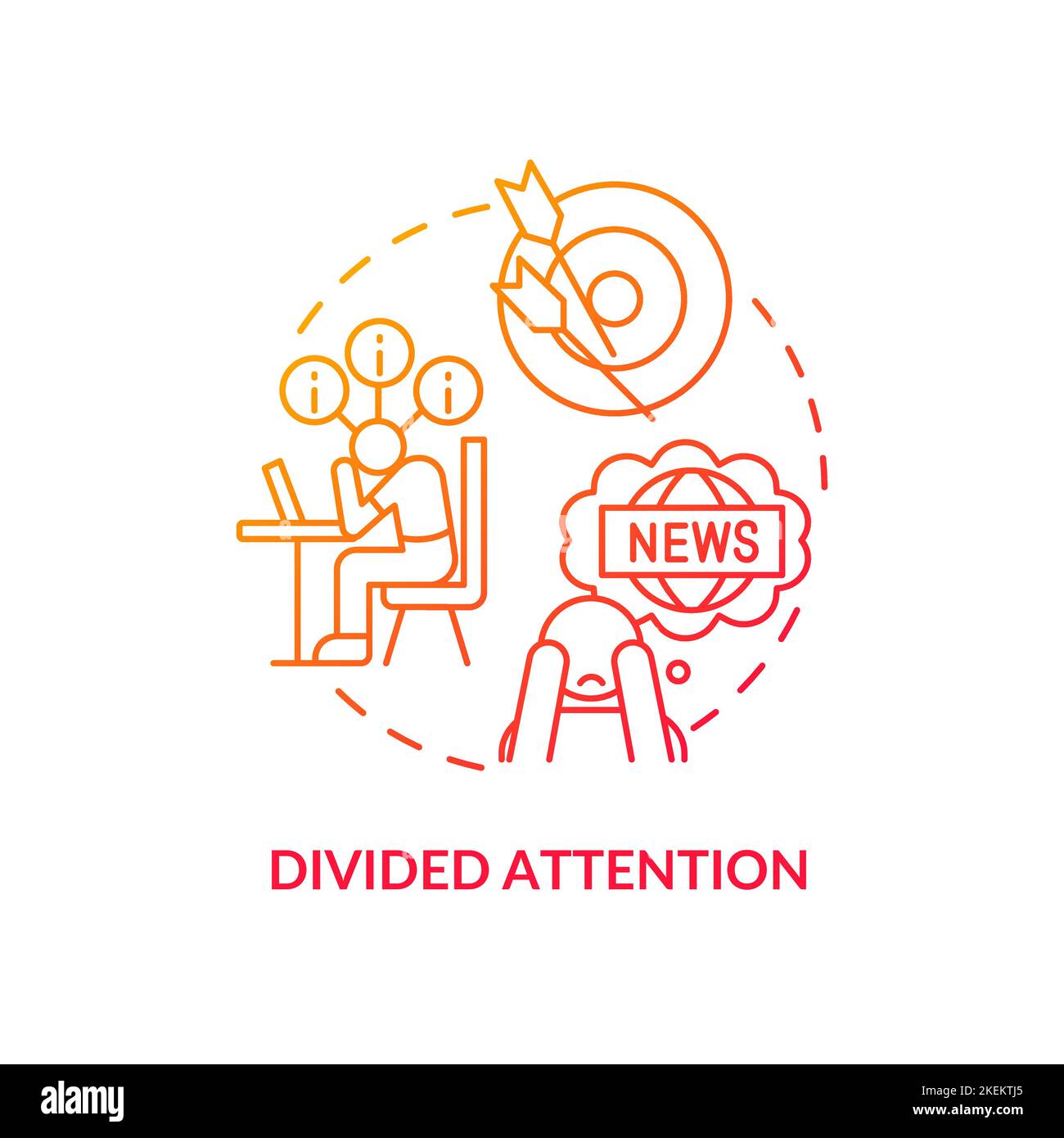
Divided attentionrefers to the ability to focus on multiple tasks or stimuli simultaneously. It's a natural part of modern life, as we're constantly faced with multiple demands on our time and attention. Working, taking care of children, cooking, cleaning, and socializing are just a few examples of tasks that requiredivided attention. However, when not managed correctly, it can lead to distractions, mistakes, and decreased productivity.
The Challenges of Divided Attention at Home
At home,divided attentioncan manifest in many ways. For example:
- Trying to cook dinner while keeping an eye on a toddler who's demanding your attention
- Working from home while your partner or family members want to chat with you
- studying or working on a project while being interrupted by household chores or TV
- Playing with your children while also checking emails or social media
Strategies for Improving Performance with Divided Attention
While complete elimination ofdivided attainmentis not always possible, there are strategies that can help you manage it more effectively:
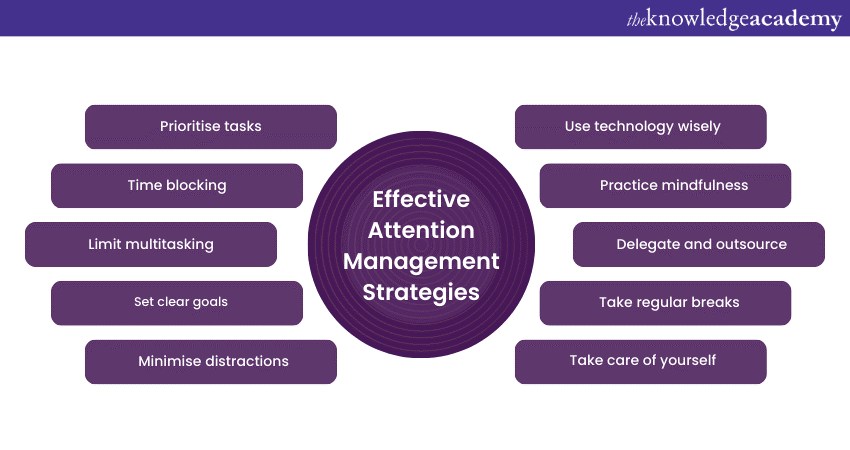
1. Prioritize Tasks with the Eisenhower Matrix
Utilize the Eisenhower Matrix to categorize tasks based on their urgency and importance. This will help you focus on the most critical tasks first, reducing distractions and minimizing the need fordivided attention.

2. Use Time Management Techniques
Break work into intervals with short breaks, known as the Pomodoro Technique. Alternatively, use Time Blocking to allocate specific time slots for tasks, reducing the need fordivided attention.
3. Practice Task Prioritization
Use a priority list to focus on the most important tasks, minimizing the need fordivided attention. This will also help you avoid multitasking and reduce the mental fatigue associated with it.
4. Minimize Digital Distractions
Close social media tabs, turn off notifications, and find a quiet workspace to minimize digital distractions. This will help you stay focused on the task at hand, reducing the need fordivided attention.
Breaking Free from the Cycle of Divided Attention
By implementing these strategies, you can break free from the cycle ofdivided attentionand reclaim your focus. This will not only boost your productivity but also improve your mental health and overall well-being.
Conclusion
In today's fast-paced world, managingdivided attentionat home is a necessary skill for anyone looking to boost productivity and reduce stress. By understanding the concept ofdivided attentionand implementing effective strategies, you can minimize distractions, increase focus, and achieve more with less effort. Remember, focus is not a luxury, it's a necessity for achieving success and maintaining a healthy work-life balance.