Managing Data Overload: A Guide to Taming the Digital Beast
In today's fast-paced digital world, data overload has become an unavoidable challenge for both individuals and organizations. With endless information flowing in from emails, analytics, and reports, many professionals find themselves struggling to stay focused and productive.
The Consequences of Data Overload
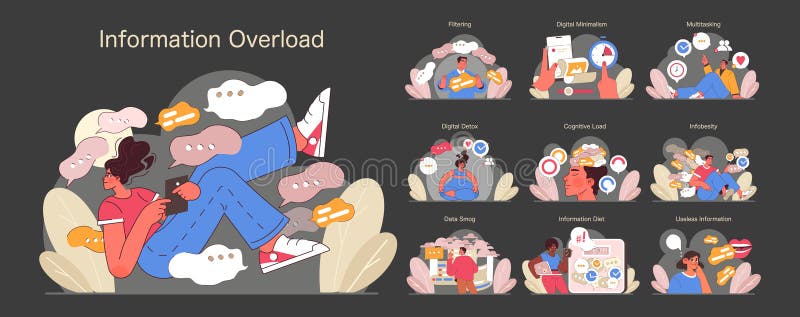
Information overload affects everyone, and much attention is devoted to managing it. But what most people don't realize is that your brain already employs numerous ways of coping with the deluge of data. However, when decision-makers are bombarded with too much data, they tend to default to habit as opposed to data, delay critical actions, or make errors due to analysis paralysis.
Causes of Data Overload
The exponential growth of digital information has led to the pervasive problem of information overload, affecting decision-making, productivity, and well-being. This is exacerbated by the ongoing digitalization of the world of work and the growing use of information and communication technologies. Studies show that when the amount of information available is doubling every 12-18 months, it can be challenging to understand the relevance of the data or how to use it effectively, leaving employees feeling overwhelmed or suffering from information paralysis.
Signs of Data Overload
A quick test of whether you are managing too much data is to look at the managed dataset and see if you can legitimately connect those data elements to meaningful analytics that are in use by the organization's operations, management, and governance teams. If not, it may be time to reassess your data management strategies.

Strategies for Managing Data Overload
- Integrate Automated Tools: Integrate automated tools into your data stack to streamline data management and reduce the burden on human resources.
- Prioritize Data Management: Prioritize data management practices to ensure that data is accurately collected, stored, and analyzed.
- Focus on Meaningful Analytics: Focus on meaningful analytics that drive business decisions and outcomes, rather than just collecting data for its own sake.
- Use Data Visualization: Use data visualization techniques to present complex data in a clear and concise manner, reducing information overload and improving decision-making.
- Develop a Data Governance Framework: Develop a data governance framework to ensure that data is accurately captured, stored, and used across the organization.
The Benefits of Effective Data Management
By effectively managing data overload, organizations can:
- Improve Decision-Making: Accurately and timely information enable informed decision-making.
- Reduce Analysis Paralysis: With clear and concise data, decision-makers can avoid analysis paralysis and focus on executing key business initiatives.
- Boost Productivity: By automating data management tasks, organizations can free up resources to focus on higher-value activities.
- Enhance Collaboration: With accurate and timely data, teams can work more effectively together, improving collaboration and reducing miscommunication.
Conclusion
Managing data overload is a critical challenge for modern organizations. By understanding the causes and consequences of data overload, and implementing effective strategies for managing data, organizations can transform vast data streams into valuable insights, driving business growth and success.