Entrepreneurship Basics: A Comprehensive Guide for Beginners
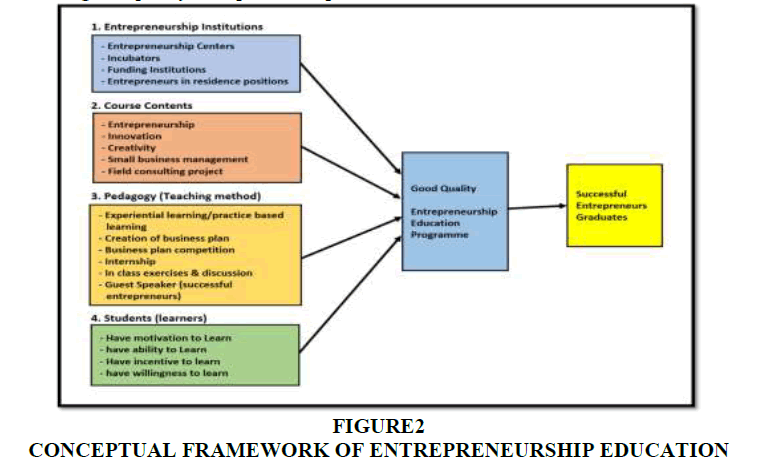
Are you considering starting your own business, but don't know where to begin? Entrepreneurship can be a daunting prospect, but with the right knowledge and skills, you can turn your ideas into a successful venture. In this article, we'll cover the basics of entrepreneurship, including key concepts, types of entrepreneurship, and essential skills required to succeed.
What is Entrepreneurship?
At its most basic level, entrepreneurship refers to the process of creating and running a business. Entrepreneurs identify opportunities, develop innovative solutions, and take calculated risks to launch and grow their ventures. According to the scholar V. Ratten, entrepreneurship is defined as: "the process of creating or extracting economic value through the identification, development, and exploitation of new products, services, or processes." [2]
Key Concepts of Entrepreneurship
There are several key concepts that entrepreneurs should understand, including:
- Opportunity recognition: Identifying a business opportunity and assessing its potential.
- Market research: Conducting research to understand your target market and competition.
- Business planning: Developing a comprehensive business plan, including financial projections, marketing strategies, and operational plans.
- Financial management: Managing the financial aspects of your business, including funding, budgeting, and cash flow management.
- Leadership and management: Developing the skills and abilities necessary to lead and manage a team.
Types of Entrepreneurship
There are several types of entrepreneurship, including:
- Sole proprietorship: A business owned and operated by one individual.
- Partnership: A business owned and operated by two or more individuals.
- Corporation: A business owned by shareholders and managed by a board of directors.
- Social entrepreneurship: A business that aims to solve social or environmental problems while generating revenue.
Essential Skills for Entrepreneurs
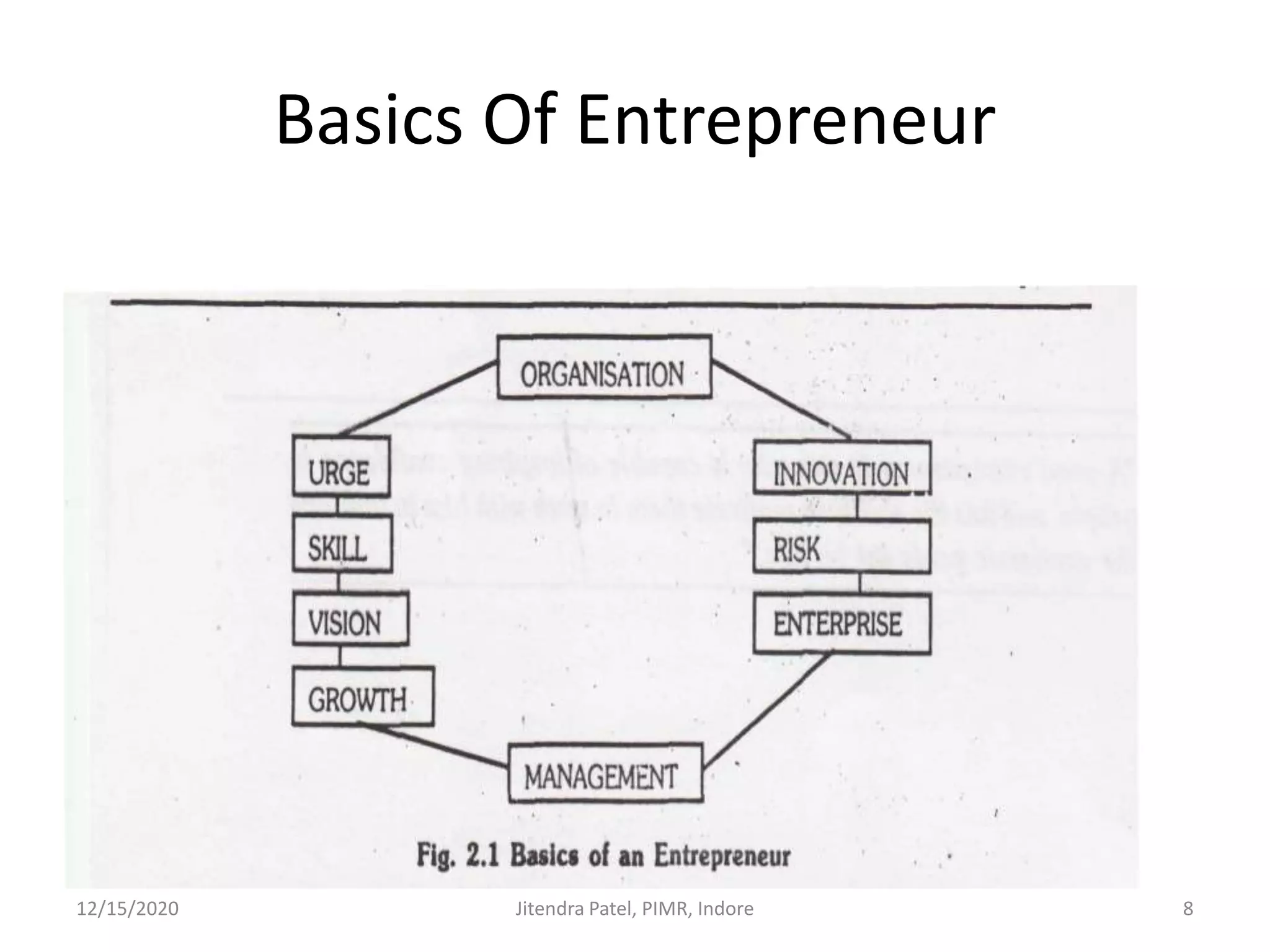
Successful entrepreneurs possess a range of skills, including:
- Technical skills: Proficiency in areas such as marketing, finance, and operations.
- Communication skills: The ability to effectively communicate with customers, investors, and team members.
- Problem-solving skills: The ability to identify and solve complex problems.
- Leadership skills: The ability to lead and motivate a team.
- Adaptability: The ability to adapt to changing circumstances and pivot when necessary.
Funding Your Business
One of the most significant challenges facing entrepreneurs is securing funding for their business. There are several options available, including:
- Bootstrapping: Funding your business using your own savings or revenue.
- Angel investors: Individuals who provide funding in exchange for equity.
- Venture capital: Firms that provide funding to high-growth businesses in exchange for equity.
- Crowdfunding: Platforms that allow you to raise funds from a large number of people.
Conclusion
Entrepreneurship is a complex and challenging process, but with the right knowledge and skills, you can succeed. By understanding the basics of entrepreneurship, including key concepts, types of entrepreneurship, and essential skills, you'll be well on your way to launching and growing a successful business. Remember to stay adaptable, focused, and committed to your goals, and you'll be well on your way to achieving entrepreneurial success.