Design Thinking in Business: The Future of Innovation and Success
In today's fast-paced and ever-changing business world, innovation has become a crucial factor that sets organizations apart from their competitors. One approach that has gained popularity in recent years is design thinking, a human-centered and systematic problem-solving methodology that is increasingly becoming a cornerstone of successful businesses. In this article, we will delve into the world of design thinking, its significance in business, and provide you with practical insights and examples on how to implement it in your organization.
What is Design Thinking in Business?
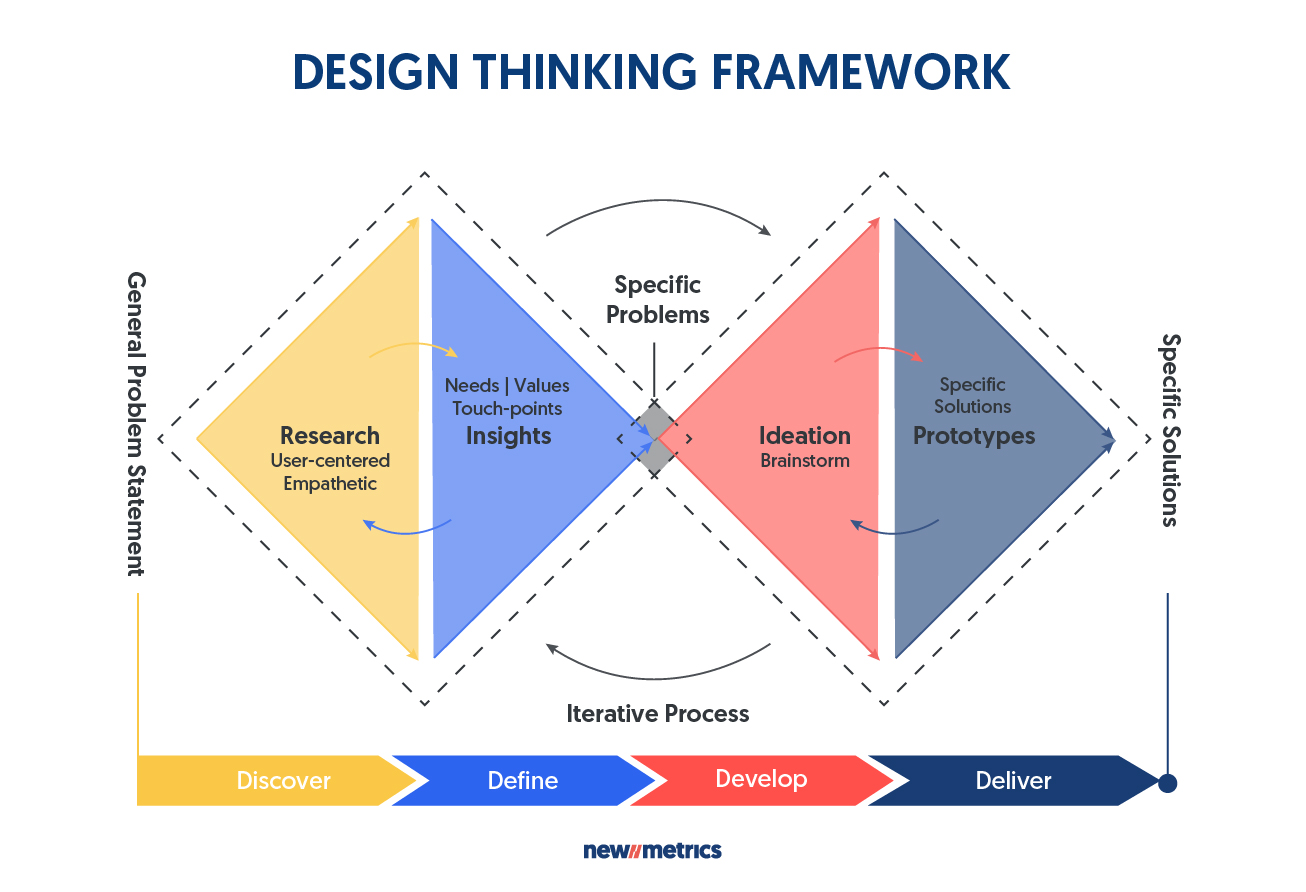
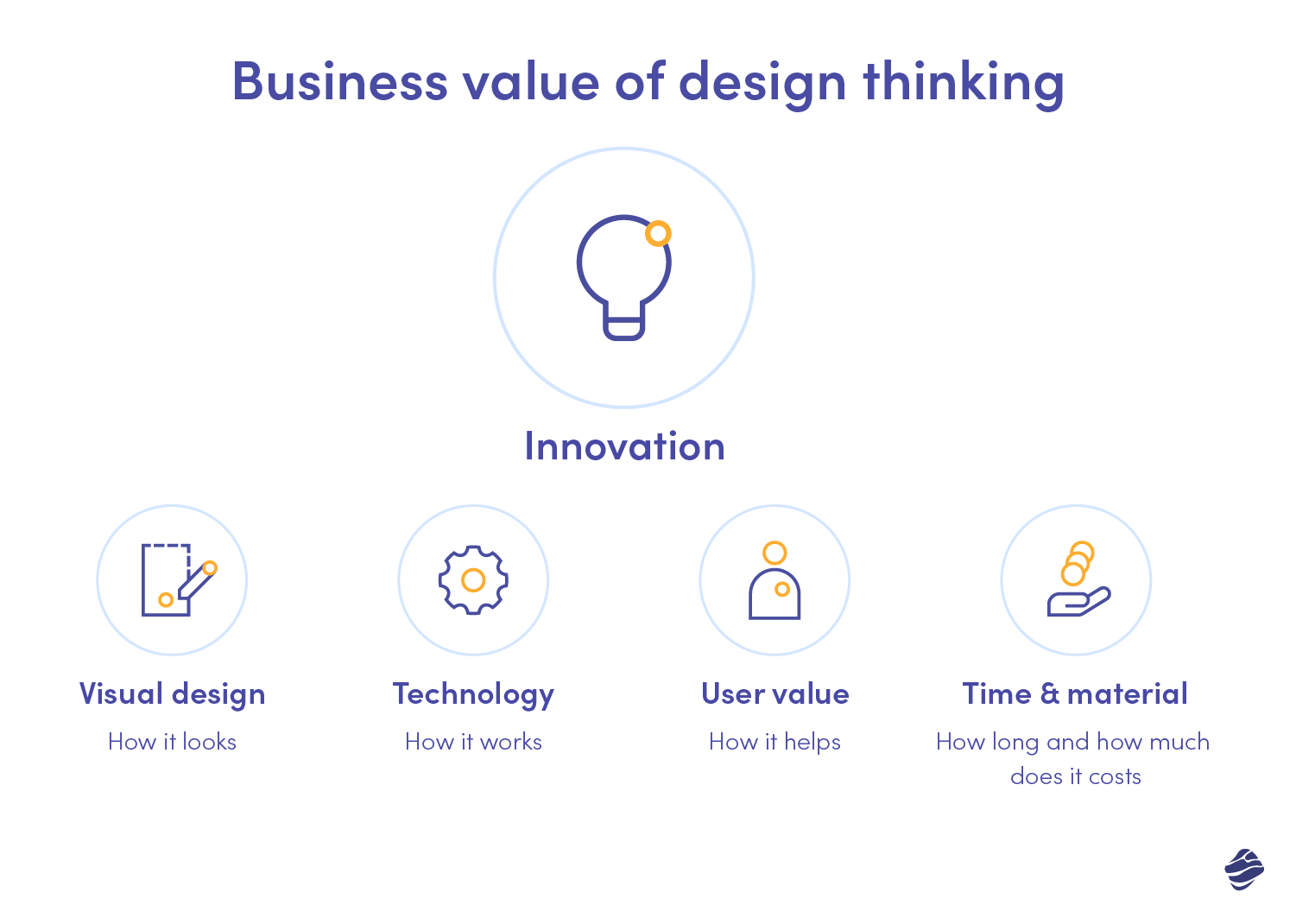
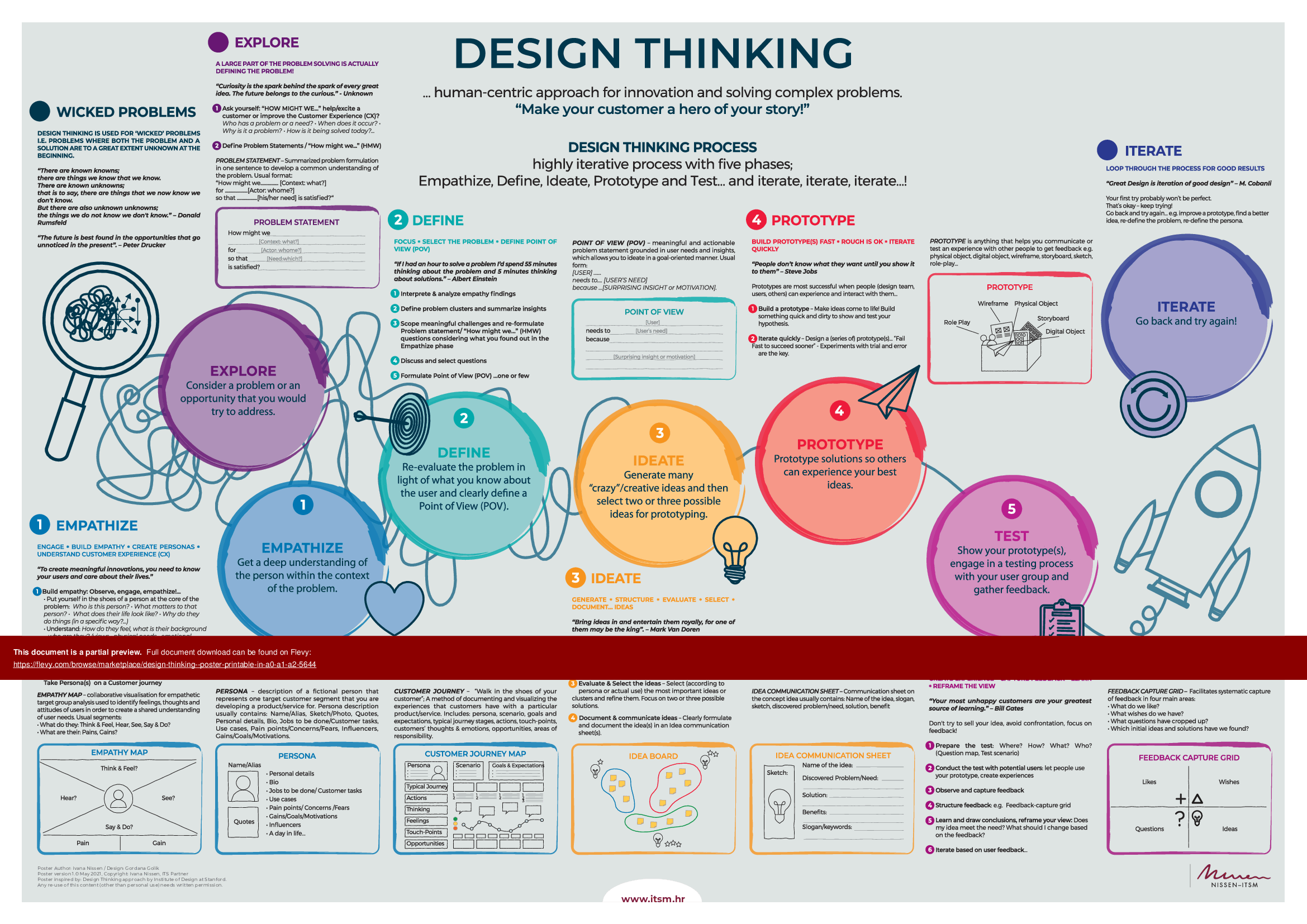
Design thinking is a creative approach to innovation that focuses on understanding and addressing the needs, desires, and pain points of customers. It involves a series of stages, including empathy, definition, ideation, prototyping, and testing, which work together to create a unique and innovative solution that meets customers' needs. As Tim Brown, Executive Chair of IDEO, puts it, "Design thinking is a human-centered approach to innovation that draws from the designer's toolkit to integrate the needs of people, the possibilities of technology, and the requirements for business success."
Why is Design Thinking Important in Business?
Design thinking is essential in business for several reasons:
- Customer-centric approach: By putting the customer at the forefront, design thinking helps organizations create solutions that meet their needs, leading to increased customer satisfaction and loyalty.
- Increased innovation: Design thinking encourages creativity and imagination, resulting in innovative solutions that set organizations apart from their competitors.
- Improved collaboration: The design thinking process brings together teams from various departments, fostering collaboration, and ensuring that all stakeholders are aligned and working towards a common goal.
- Enhanced problem-solving skills: Design thinking teaches organizations to think critically, empathetically, and creatively, enabling them to tackle complex problems and stay ahead of the competition.
- Greater resilience: By embracing a design thinking approach, organizations can adapt quickly to changing market conditions, customer needs, and technological advancements, ensuring their continued success.
Implementing Design Thinking in Your Business
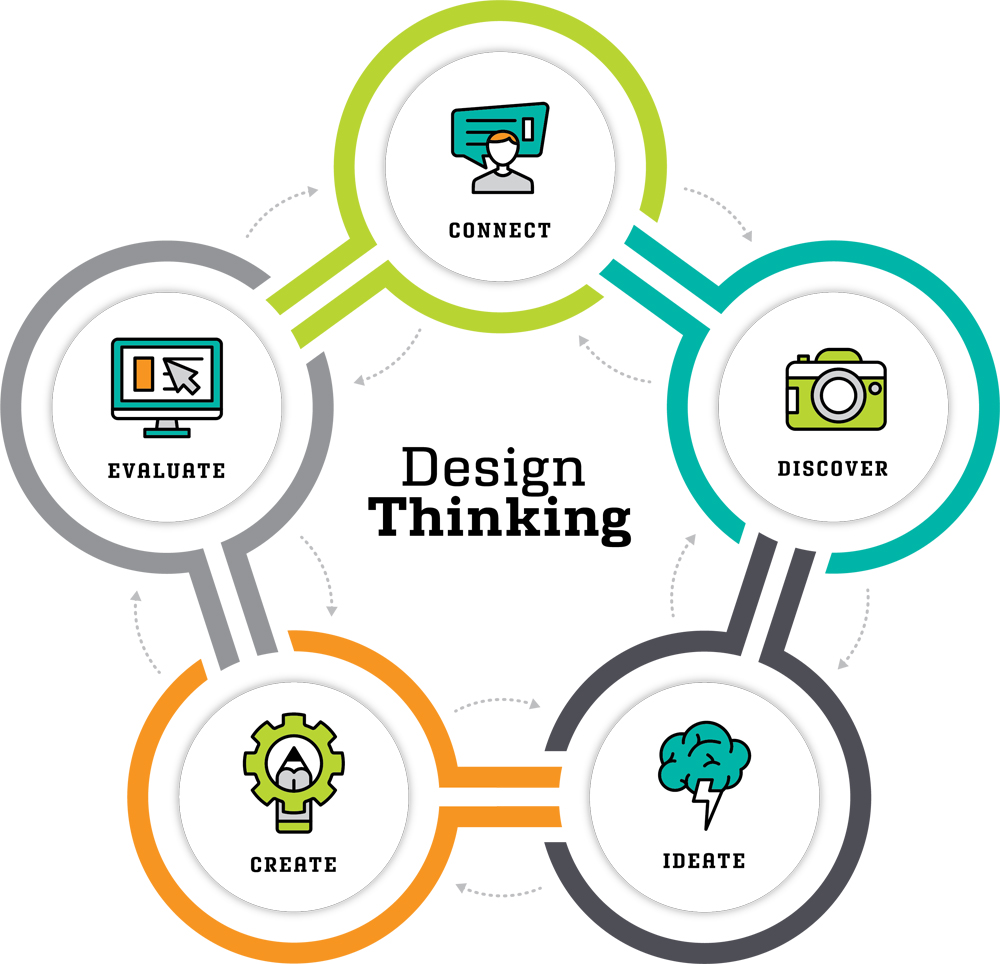
While design thinking may seem complex, it can be broken down into five stages, each building on the previous one:
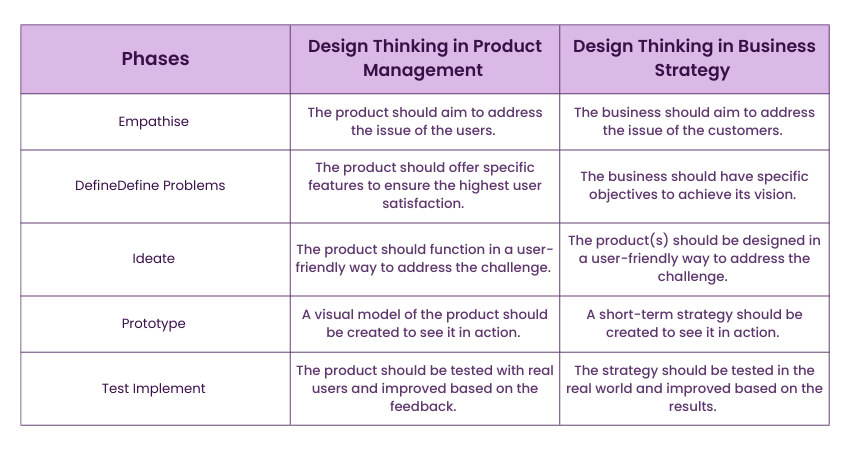
Stage 1: Empathy
In this stage, organizations engage with customers, stakeholders, and employees to gain a deep understanding of their needs, desires, and pain points.
Stage 2: Definition
The second stage involves defining the problem or opportunity statement, distilling the insights gathered in the previous stage into a clear and concise problem statement.
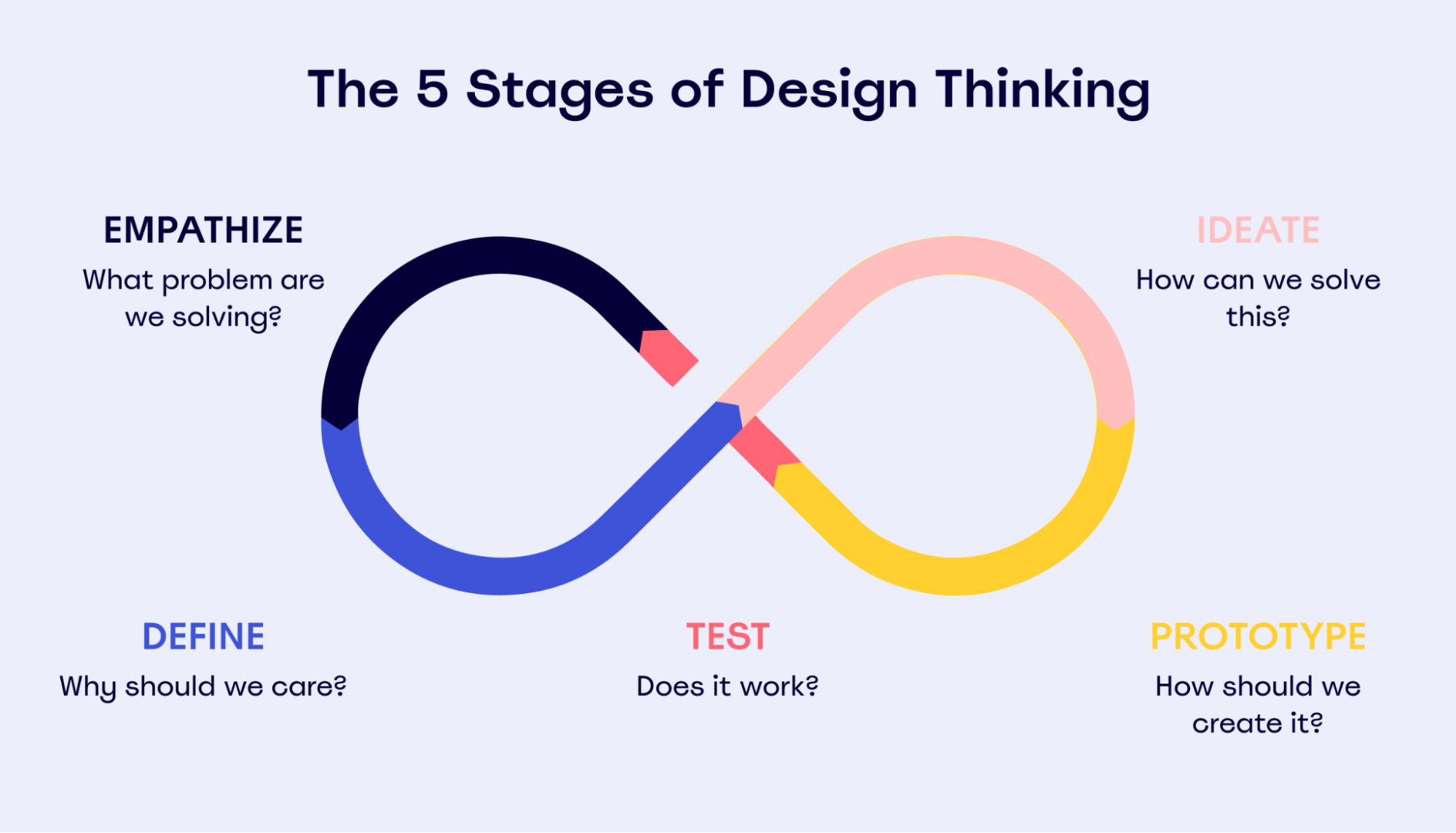
Stage 3: Ideation
During the ideation stage, teams brainstorm and generate ideas, exploring different possibilities and solutions.
Stage 4: Prototyping
Prototyping involves creating a tangible representation of the idea, testing it with customers and stakeholders, and gathering feedback to refine the solution.
Stage 5: Testing and Refining
The final stage involves testing and refining the solution, ensuring that it meets the needs and expectations of customers and stakeholders.
Concluding Thoughts
Design thinking is a powerful tool that can transform your business by fostering creativity, empathy, and innovation. By embracing a customer-centric approach, collaborating with teams, and developing problem-solving skills, organizations can stay ahead of the competition and thrive in today's fast-paced business environment. We encourage you to explore design thinking further, apply it in your organization, and discover the benefits it can bring to your business.
Additional Resources
For those looking to learn more about design thinking, we recommend exploring the following resources:
- IDEO.org's Design Kit
- Design Thinking & Innovation Programmes
- The Shape of the Future book by ADJ and Scott Steinberg
- Design Thinking workshops and training programs
By incorporating design thinking into your business strategy and culture, you can unlock a world of possibilities, drive innovation, and achieve success in today's fast-paced and ever-changing business world.