Blue Light Exposure Effects: Understanding the Risks to Your Vision, Sleep, and Brain Health
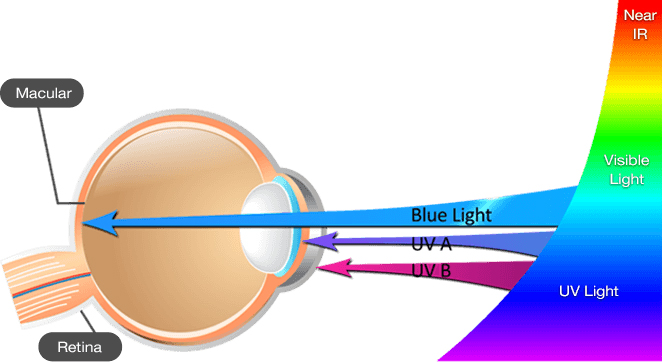
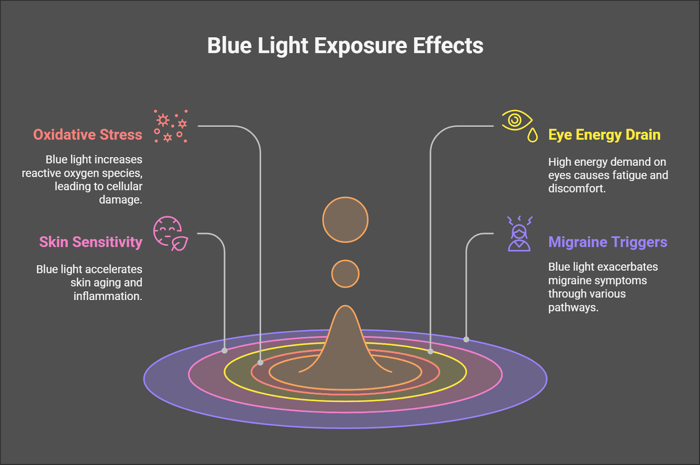
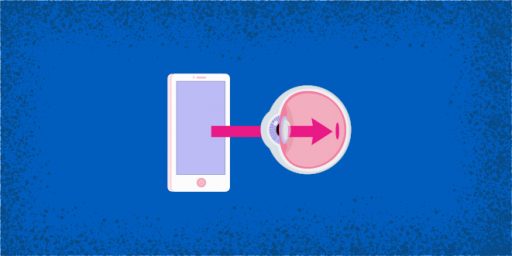
With the ever-growing use of digital devices, concern about the potential blue light exposure effects on our health has increased. Blue light, which is a high-energy visible (HEV) light with a wavelength of around 400-450 nanometers, is emitted by electronic devices such as smartphones, tablets, computers, and LED light bulbs. In this article, we will delve into the blue light exposure effects on our vision, sleep, and brain health, and explore ways to prevent them.
The Impact of Blue Light on Vision
Bluelight exposure has been linked to several eye health issues, including:
- Photokeratitis or ultraviolet keratitis: a painful eye condition caused by insufficiently protected eyes to UV rays from natural or artificial sources.
- Age-related macular degeneration: a condition that can cause blurred vision, blindness, or even blindness due to long-term sunlight exposure.
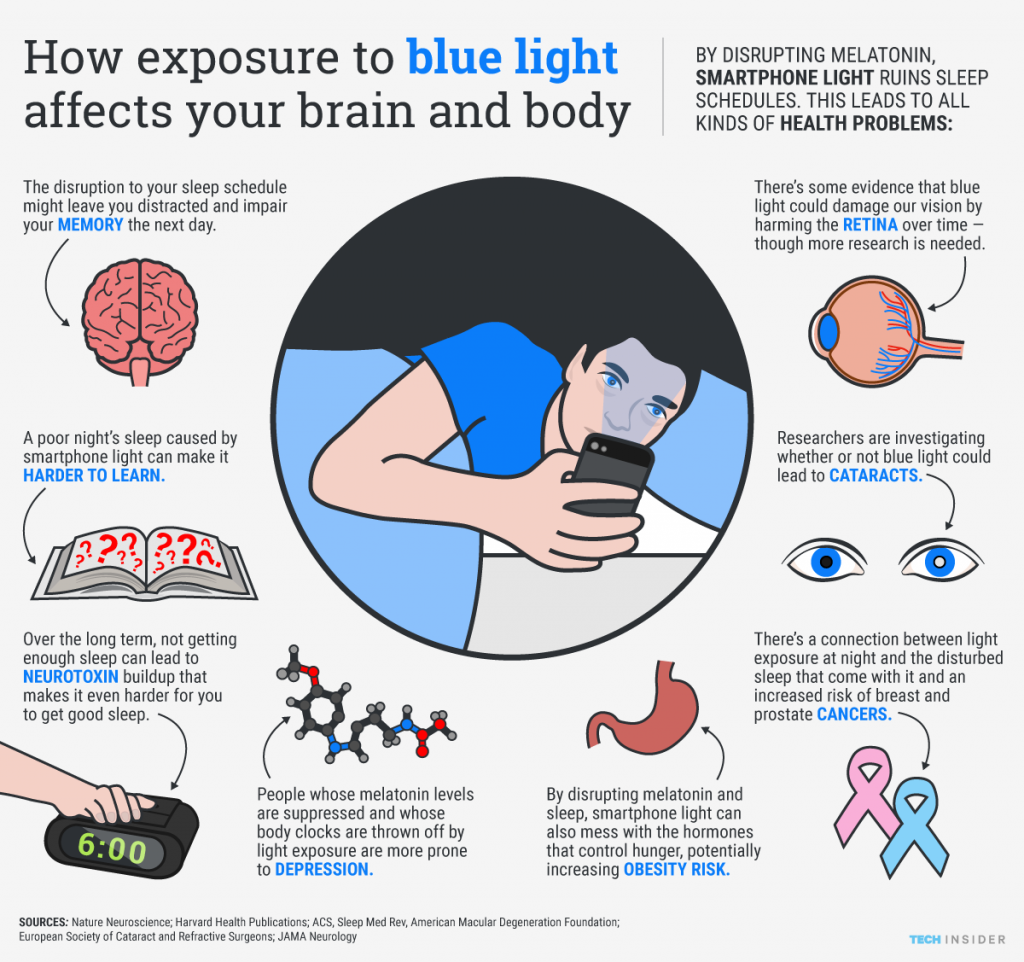
- Retinal damage: blue light exposure has been shown to cause temporary or permanent damage to the retina in certain exposure settings.
The Impact of Blue Light on Sleep
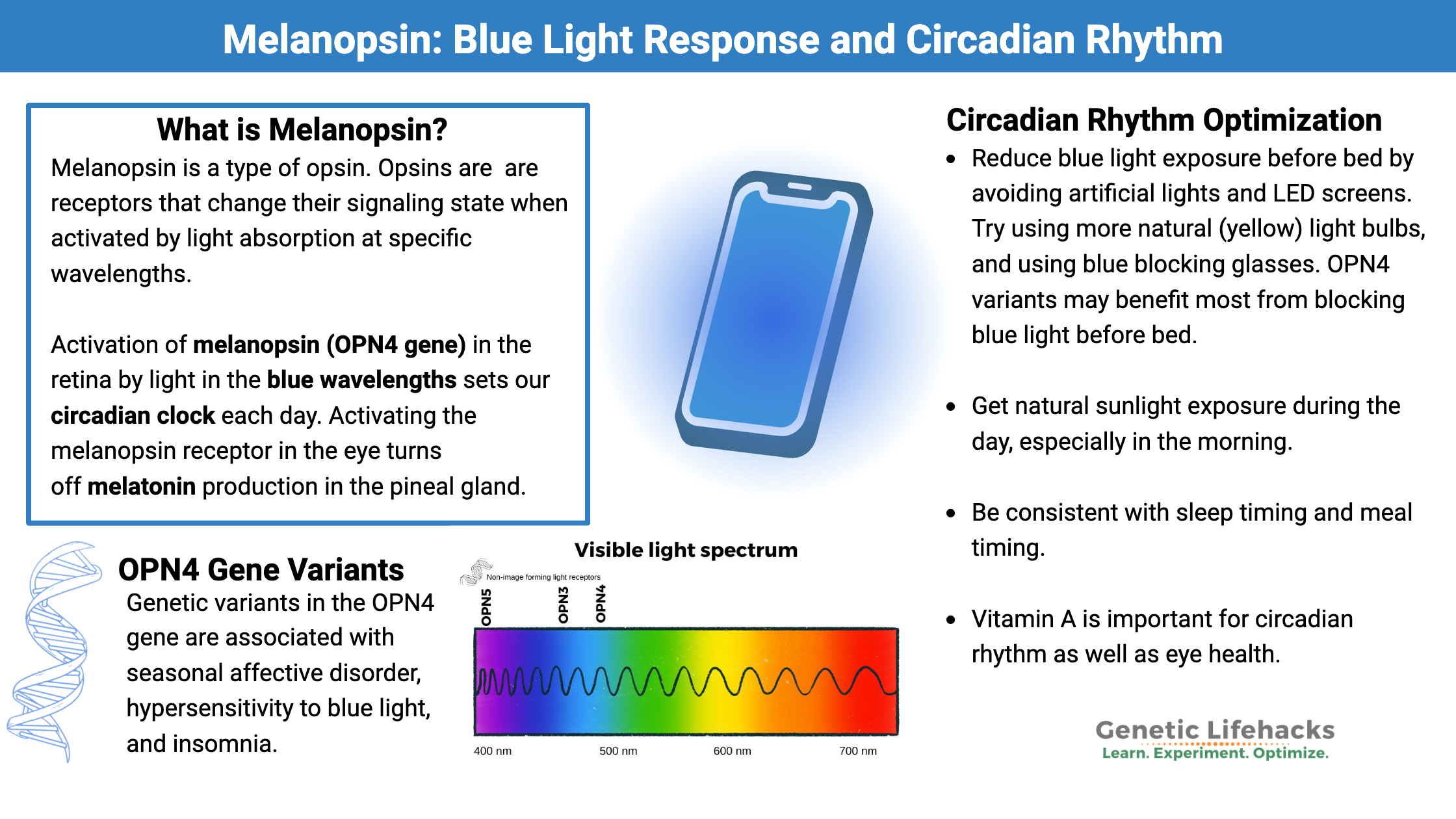
Blue light exposure has been shown to disrupt our sleep patterns by suppressing the production of melatonin, the hormone that regulates our sleep-wake cycles. This can lead to:
- Insomnia: difficulty falling asleep or staying asleep.
- Daytime fatigue: feeling tired or groggy during the day.
- Neurocognitive impacts: circadian rhythm disruption, sensory overload, mental fatigue, and early signs of attentional deficits.
The Impact of Blue Light on Brain Health
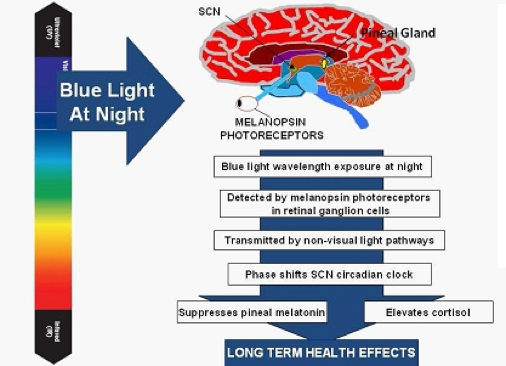
Exposure to blue light has also been linked to several brain health issues, including:
- Neurocognitive impacts: decreased cognitive performance, reduced memory, and attentional deficits.
- Mood disorders: blue light exposure has been linked to increased risk of depression, anxiety, and mood disorders.
- Cardiovascular disease: long-term blue light exposure has been linked to increased risk of cardiovascular disease.
Preventing Blue Light Exposure Effects
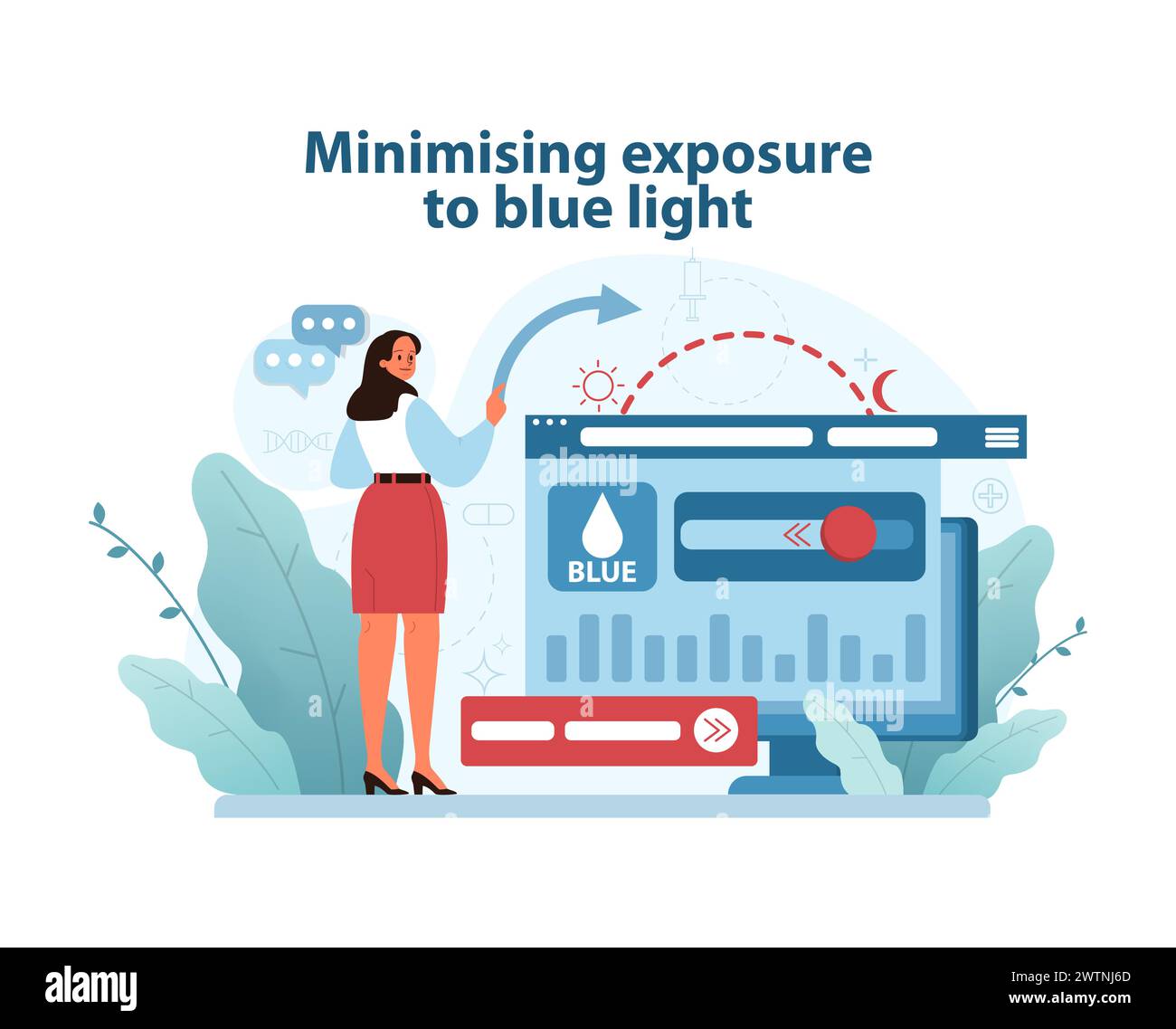
While some blue light exposure is essential for our daily lives, there are several ways to minimize its negative effects:
- Use blue light filtering glasses or software to reduce blue light emission from devices.
- Follow the 20-20-20 rule: every 20 minutes, look away from your device and focus on something 20 feet away for 20 seconds.
- Limit screen time before bedtime: avoid using electronic devices for at least an hour before bedtime.
- Use good lighting: use warm-toned lighting in the evening to promote melatonin production.
Conclusion
While the blue light exposure effects on our vision, sleep, and brain health are still being researched, it's essential to take precautions to minimize its negative effects. By understanding the risks and taking steps to prevent them, we can enjoy the benefits of modern devices while protecting our health and wellbeing.